
Flowers
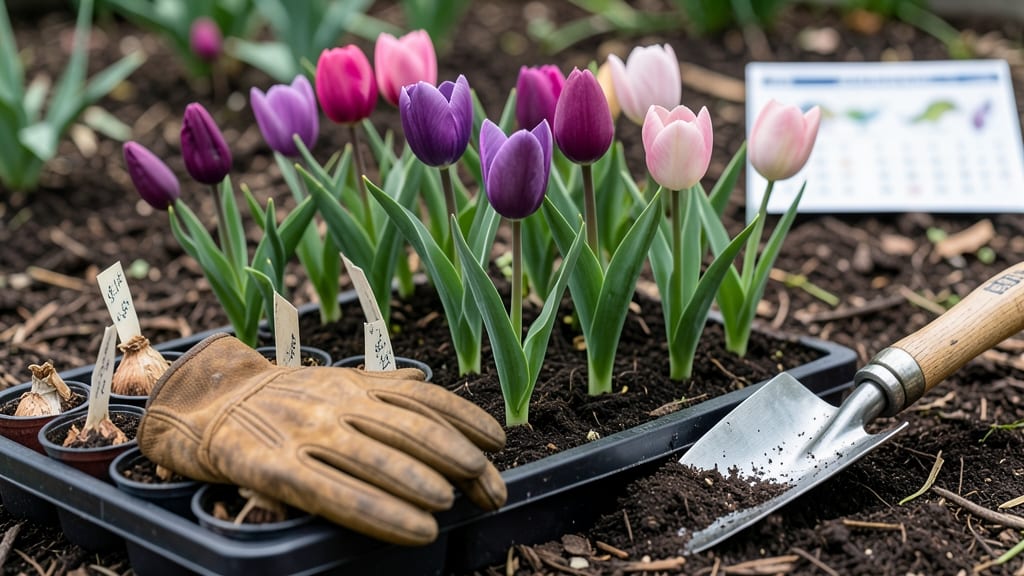
Timing your spring flower planting right can mean the difference between a vibrant garden and a season of waiting for blooms—so when exactly should you start? The answer depends on your USDA zone, frost dates, and the types of 🌸 Spring Flowers you're growing.
In Zone 6a, like many gardeners, you’ll want to wait until after the last frost date—typically late April to early May—when soil temperatures warm up. But don’t rush! Planting too early can leave delicate roots vulnerable to cold snaps, while waiting too long might delay those first cheerful blooms.
I’ll break down the best planting windows for annuals vs. perennials, how to adjust for late frosts, and even which flowers thrive when planted early for that fast color you crave. Whether you’re a seasoned gardener or just starting, these tips will help you time it perfectly.
Ready to transform your garden? Let’s dive into the exact months and strategies to get your Spring Flowers off to the best start—no guesswork required!
Spring flower planting months by USDA hardiness Zone (exact guide)
Spring is the most exciting time for gardeners, but knowing when to plant flowers depends entirely on your USDA hardiness zone and local frost patterns.
In colder zones like Zone 3-5, you might start as early as March, while warmer zones like Zone 8-10 can plant into May. The key is waiting until the last frost date has passed and soil temperatures reach at least 50°F.
For most gardeners, the ideal planting window falls between late April and early June, but this shifts dramatically depending on your region. For example, Zone 6 (like much of the Midwest) typically plants in mid-May, while Zone 9 (Southern California) can start in February.
Let’s break it down by zone so you can plan with confidence.
| Zone | Best Planting Month | Soil Temp Requirement | Notes |
|---|---|---|---|
| 3-4 | Late April - Early May | 50°F+ | Use row covers for early starts; pansies thrive here. |
| 5-6 | Mid-May | 55°F+ | Classic zone for marigolds, zinnias, and petunias. |
| 7-8 | March - April | 60°F+ | Longer growing season; cosmos and sunflowers excel. |
| 9-10 | February - March | 65°F+ | Year-round planting possible; geraniums and snapdragons love heat. |
Even within a zone, microclimates play a huge role. A south-facing slope warms up faster than a shady valley, so adjust your timeline accordingly. For instance, in Zone 5, you might plant marigolds in late May in full sun but wait until June in cooler, shaded areas.
Don’t forget about bulbs and perennials, which often have earlier planting windows. Tulips and daffodils can go in the ground as early as September in colder zones, while daylilies (Zone 3-9) can be planted in early spring or fall. Always check the specific plant’s hardiness range for accuracy.
If you’re unsure about your last frost date, use the National Weather Service or local cooperative extension service for historical data. Many garden centers also provide frost-free date calendars tailored to your area.
For a quick fix, plant heat-loving annuals like zinnias in containers—they can be moved indoors if frost threatens.
For annual flowers, which complete their lifecycle in one season, timing is critical. Planting too early in cold soil can stunt growth, while waiting too long might mean missed blooms by summer. A general rule: Wait until nighttime temperatures consistently stay above 50°F before planting most annuals.
In Zone 6, where I garden, I always mark my calendar for May 1st as the safe planting date for most annuals, but I’ve learned to watch the soil temperature more closely than the calendar.
A soil thermometer (around $10) is a game-changer—it tells you exactly when conditions are right, even if the forecast says otherwise.
Pro tip: If you’re eager to start early, try starter plants instead of seeds. They’re more resilient to late frosts and give you a head start on season-long color. Just be sure to harden them off properly before transplanting.
Finally, remember that perennials often establish better when planted in early spring rather than fall. Their roots have more time to spread before the summer heat sets in, giving them a stronger foundation for years to come.
How to adjust planting dates for late frosts or early warmth
Spring’s unpredictable weather can throw off even the best-laid planting plans. If you’ve ever watched frost warnings roll in after planting tender annuals or felt unseasonably warm March temperatures trick you into planting too early, you know the frustration.
The key is flexibility—adjusting your timeline based on soil temperature, frost forecasts, and your local climate quirks.
Start by tracking your last frost date (not just the average). Use tools like the National Weather Service or local cooperative extension offices for real-time updates.
For example, in Zone 5, the last frost might average May 10th, but a late frost in 2023 delayed gardeners until May 25th. Plan ahead by planting cold-hardy flowers like pansies or snapdragons 2–3 weeks before your average last frost—these can handle light frosts (28°F).
For container gardening, you gain flexibility. Move pots indoors or under a cloche during cold snaps, then return them to the garden when temperatures stabilize.
This works especially well for heat-sensitive flowers like cosmos or marigolds in Zone 8, where early planting might lead to bolting (premature flowering and seed production).
⚠️ Late Frost Warning: Protect Your Plants!
If frost is forecasted within 48 hours of planting:
- ✅ Cover seedlings with frost cloth or row covers.
- ✅ Use mulch (straw or leaves) to insulate soil.
- ✅ Avoid watering the night before—wet plants freeze faster.
- ❌ Don’t plant tender annuals (like petunias) until soil warms to 50°F.
Pro tip: Test soil temperature with a soil thermometer—most flowers need 55–65°F to thrive.
Soil temperature matters more than air temperature. Use a soil thermometer to check depth (usually 2–4 inches). For most spring flowers, aim for 50°F for annuals and 40°F for perennials like coneflowers.
If your soil is still chilly, opt for cool-season flowers like calendulas or stock, which tolerate cooler temps.
Early warmth can also be tricky. In Zone 9, for example, March might feel like April in Zone 5. Planting heat-loving flowers like zinnias too early can lead to leggy, weak stems.
Wait until April 15th in these zones to ensure consistent warmth. For bulbs, like tulips or daffodils, plant them in fall (6–8 weeks before frost) to avoid spring planting entirely.
🌱 Quick Adjustments for Unpredictable Spring
- Test soil temp before planting—most flowers need 50°F+.
- Use frost dates as guidelines, not rules—check weekly forecasts.
- Choose cold-hardy varieties (e.g., pansies, snapdragons) for early planting.
- Stagger planting by 2 weeks for a continuous bloom cycle.
- Mulch heavily to protect roots from temperature swings.
If you’re in a transition zone (like Zone 7b), consider microclimates in your garden. South-facing beds warm up faster than shady spots, so plant heat-lovers there first.
For late frosts, keep a greenhouse tray or seedling heat mat on hand to jumpstart growth indoors, then transplant after the danger passes.
Finally, don’t stress over perfection. Even experienced gardeners adjust planting dates yearly. Start with 50% of your flowers on your target date, then add more if weather cooperates. This buffer approach ensures you’ll have blooms—no matter what spring throws at you.
🌿