
Flowers
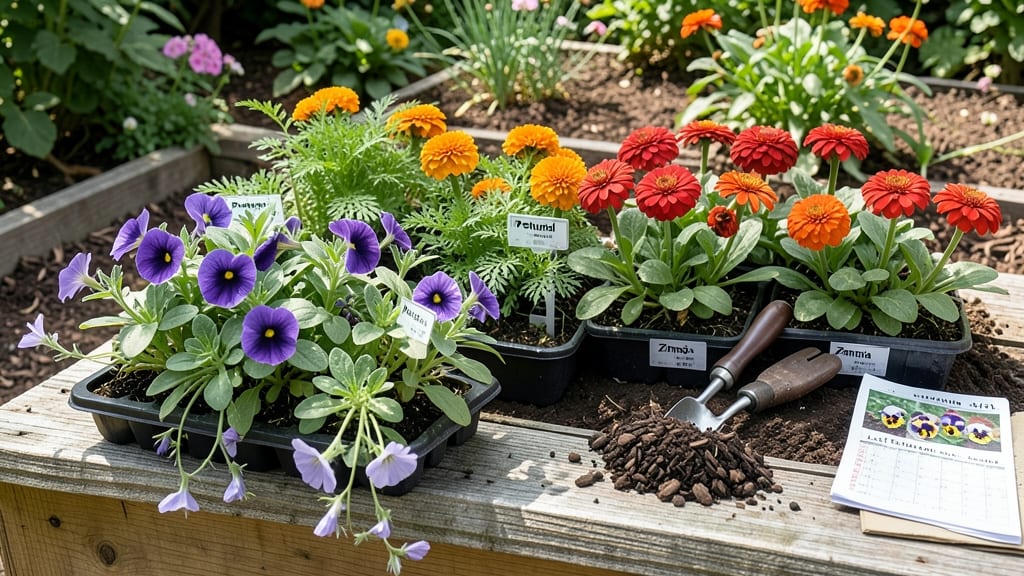
Timing when you should plant flowers in Ohio in Zone 6B can mean the difference between a garden bursting with color and one that never quite takes off.
With last frost dates hovering around April 15, knowing exactly when to plant your 🌸 ensures you beat the heat and enjoy summer blooms.
Whether you’re sowing seeds indoors in early spring or transplanting perennials after the frost, Ohio’s climate demands precision. Skip the guesswork and learn the exact weeks to plant annuals, perennials, and bulbs for peak blooms—plus how to adjust for late frosts or early heatwaves.
From soil prep to container gardening, this guide covers everything you need to thrive in Ohio’s 165 frost-free days. Discover which flowers perform best in your region and how local nurseries can help you source the right varieties.
Ready to transform your garden? Let’s dive into the perfect planting schedule so you can enjoy vibrant blooms from spring to fall—without the trial and error.
Ohio flower planting schedule by season: exact weeks for best blooms
Ohio’s USDA Zone 6B climate means your flower garden can thrive with the right timing—just don’t wait too late! The average last frost date in most of Ohio falls around April 15, but southern regions (like Cincinnati) may see frost-free conditions by mid-April.
Northern areas (e.g., Cleveland) might still face frost until May 1. Always check your local frost date map or set up a frost alarm for accuracy.
For annual flowers, the sweet spot is 2-4 weeks after the last frost. This gives seedlings time to establish roots before summer heat arrives.
For perennials, early spring (March) or early fall (September) planting works best—just ensure soil temps are above 40°F. Bulbs, like daffodils and tulips, should go in the ground by November to root before winter.
Here’s your Ohio flower planting timeline broken down by season, including soil temperature requirements and key deadlines:
| Season | Planting Window | Soil Temp | Key Tasks | Notes |
|---|---|---|---|---|
| Early Spring (Mar) | Perennials & bulbs | 40-50°F | Plant hardy perennials, divide spring-blooming bulbs | Avoid soggy soil; mulch after planting |
| Late Spring (Apr-May) | Annuals & tender perennials | 60°F+ | Transplant seedlings, direct-sow heat-lovers | Wait until night temps stay above 50°F |
| Summer (Jun-Jul) | Fall-blooming bulbs | 65°F+ | Plant dahlias, cannas, and gladiolas | Keep soil moist until established |
| Early Fall (Sep) | Perennials & spring bulbs | 50-60°F | Plant tulips, daffodils, asters | 6-8 weeks before first frost |
Ohio’s summer heat (often hitting 90°F+ by July) can stress young plants, so succession planting is key. Stagger your annual flower plantings every 2-3 weeks from May through July to ensure continuous blooms.
For example, plant marigolds in early May, zinnias in late May, and cosmos in June for a non-stop color show.
Fall planting in Ohio is a hidden gem—many perennials and spring-blooming bulbs thrive when planted in September. The cooler temps and moist soil help roots establish before winter. Aim to finish by October 1 to avoid frost damage. Mums and asters planted in early fall will reward you with vibrant autumn blooms.
Don’t overlook container gardening for flowers in Ohio! Potted plants like petunias and geraniums can be planted 2 weeks earlier than in-ground flowers since containers warm up faster.
Just ensure pots have drainage holes and use lightweight potting mix to prevent root rot. Move containers to shadier spots during Ohio’s humid afternoons to protect delicate blooms.
Pro tip: Use row covers or cold frames to extend your planting season. These can protect seedlings from late spring frosts (which Ohio is notorious for) and even let you plant cool-season flowers like pansies as early as March.
Monitor your garden’s microclimates—south-facing beds warm up faster than north-facing ones, so adjust planting dates accordingly.
Ohio’s first frost typically arrives around October 15, but it can sneak in as early as October 1 in northern areas. For tender annuals, like impatiens or begonias, plan to bring containers indoors or cut back perennials by mid-October.
Mulch heavily around woody perennials (e.g., daylilies) to protect roots from freezing.
For year-round color, layer your plantings: start with early spring bloomers (like crocuses), add summer favorites (e.g., coneflowers), and finish with fall perennials (such as sedum). This way,
Top 5 flowers to plant in Ohio for year-round color (with planting deadlines)
Ohio’s diverse climate lets you grow stunning flowers year-round if you pick the right varieties. These top 5 Ohio-friendly flowers deliver color from spring to frost, with planting windows tailored to Zone 6B’s frost dates. Let’s dive into the best performers and their critical planting deadlines.
First up are coneflowers (Echinacea), Ohio’s toughest perennial that thrives in full sun to partial shade. Plant bare-root crowns in early spring (March 15–April 15) or potted plants after last frost (April 20–May 10). Their drought tolerance makes them perfect for low-maintenance gardens.
Black-eyed Susans (Rudbeckia) offer bold summer color and winter interest with their seed heads. Sow seeds directly in garden beds after last frost (May 1–June 1) or transplant potted plants by June 15. Choose ‘Goldsturm’ for heat tolerance in Ohio’s hot summers.
🌼 Coneflowers (Echinacea)
- 🌱 Planting: March 15–April 15 (crowns) or April 20–May 10 (potted)
- ☀️ Sun: Full sun to partial shade
- 💧 Water: Drought-tolerant after establishment
- 🌿 Height: 2–4 feet
🌻 Black-Eyed Susans (Rudbeckia)
- 🌱 Planting: May 1–June 1 (seeds) or by June 15 (potted)
- ☀️ Sun: Full sun
- 💧 Water: Moderate; tolerates dry soil
- 🌿 Height: 1.5–3 feet
🌷 Petunias (Annual)
- 🌱 Planting: May 15–June 10 (after last frost)
- ☀️ Sun: Full sun
- 💧 Water: Daily in containers
- 🌿 Height: 6–12 inches
🌹 Daylilies (Hemerocallis)
- 🌱 Planting: March 1–April 30 (bare root) or April 15–May 15 (potted)
- ☀️ Sun: Partial sun to full shade
- 💧 Water: Low; tolerates wet soil
- 🌿 Height: 1–3 feet
🌺 Peonies (Perennial)
- 🌱 Planting: September 15–October 15 (fall) or March 1–April 15 (spring)
- ☀️ Sun: Full sun to partial shade
- 💧 Water: Moderate; mulch heavily
- 🌿 Height: 2–4 feet
For instant summer color, petunias are my go-to annuals. Start seeds indoors by March 1 or buy transplants in May (after last frost). Plant every 10–12 inches apart in full sun for nonstop blooms until frost. ‘Wave’ series resists Ohio’s humidity better than traditional types.
Daylilies (Hemerocallis) are Ohio’s most reliable perennials, offering color from June to September. Plant bare-root divisions in early spring (March 1–April 30) or potted plants after last frost (April 15–May 15). Their adaptability lets them thrive in partial shade gardens where other flowers struggle.
Finally, peonies reward patience with lush, fragrant blooms in late spring (May–June). Plant bare-root crowns in fall (September 15–October 15) or early spring (March 1–April 15).
Avoid deep planting—keep crowns just below soil level for best results. ‘Sarah Bernhardt’ is a top Ohio variety with double pink blooms.
Pro tip: <