
Plants
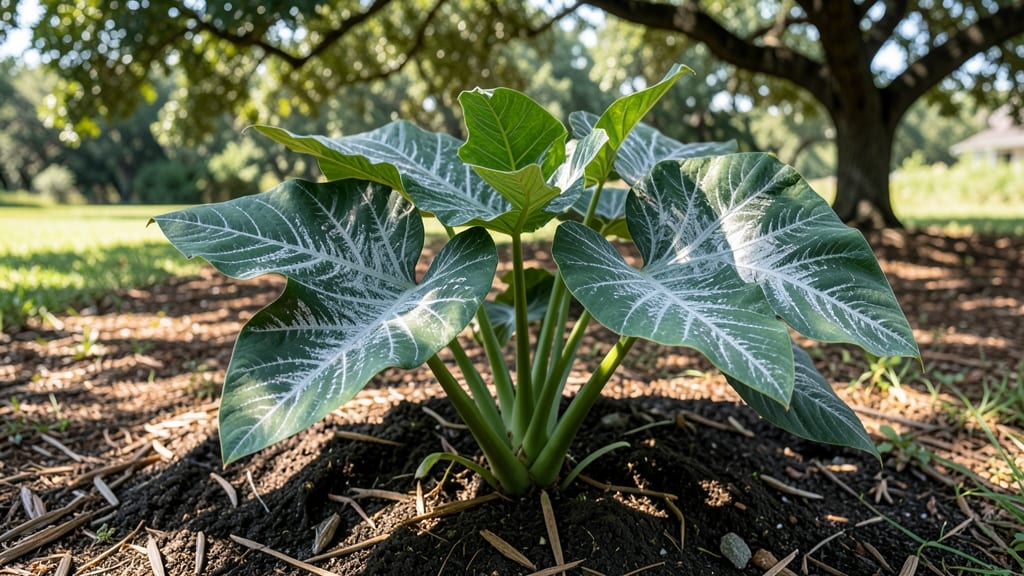
Planting caladium bulbs in North Texas at the wrong time means either frost-nipped leaves or struggling to beat the summer heat—neither of which gives you those stunning, heart-shaped foliage displays you’re dreaming of.
The key to vibrant 🌿 caladiums lies in waiting until the soil warms up and the last frost has passed, usually by late April or early May.
Why does timing matter so much? Caladiums are tropical plants that thrive in warmth, and planting them too early can leave them vulnerable to cold snaps. But if you wait too long, you might miss the best window for establishing strong roots before the brutal North Texas summers kick in.
In this guide, I’ll walk you through the exact planting window for your zone, along with soil prep tips and care tricks to keep your caladiums lush all season. Whether you’re a first-time gardener or a seasoned pro, these insights will help you get the most out of your plants.
From choosing the right spot to mulching for extra protection, you’ll learn how to create the perfect conditions for caladiums that not only survive but thrive in your North Texas garden. Let’s get started!
North Texas caladium planting calendar: exact months by heat Zone
Caladiums thrive in North Texas's hot summers but despise cold snaps. The key is planting after your last average frost date, which for most of North Texas falls between March 15 and April 15.
In Zone 8a, aim for late April to ensure soil warmth and bulb survival.
These tropical beauties need consistent warmth—soil temperatures below 60°F shock their roots. Use a soil thermometer to confirm 65°F+ before planting. In Dallas, this typically happens by mid-April, while East Texas may be ready by early April.
For container growing, you can plant 2-4 weeks earlier since pots warm faster. Just move containers indoors if nighttime temps drop below 50°F. This extends your foliage display by weeks.
Here’s your North Texas planting timeline broken down by USDA Zone and heat zone:
Pro tip: Pre-chill your bulbs for 4-6 weeks in the fridge (not freezer) if planting in Zone 7b. This mimics their natural dormancy cycle and boosts root development once warm weather arrives.
After planting, mulch heavily with 2-3 inches of shredded bark to insulate roots. This keeps soil temps stable and reduces water evaporation during North Texas’s dry, hot summers.
For maximum foliage, plant caladiums after Memorial Day if you’re in Zone 7b. The extra warmth helps them bolt upright faster and display their showy leaves by summer’s peak.
Remember: No blooms mean no seeds—caladiums are grown for their stunning foliage, not flowers. Focus on leaf color intensity and plant vigor for the best displays.
🌿
Signs your North Texas soil is ready for caladium bulbs (and how to fix it)
Caladium bulbs thrive in warm, well-draining soil, but North Texas’s heavy clay and alkaline conditions often need adjustments. Before planting, check for these three key soil readiness signs—or risk stunted growth or bulb rot.
First, test your soil’s temperature. Caladiums need soil that’s at least 65°F (18°C). Use a soil thermometer in the afternoon—if it’s cooler, wait 1-2 weeks or use black plastic mulch to warm it faster.
Next, assess moisture levels. Stick your finger 2 inches deep—soil should feel damp but not soggy. North Texas’s dry spells can stress bulbs, so amend with organic compost (2-3 inches) to improve water retention without compacting.
| Soil Condition | North Texas Fix | Action Time |
|---|---|---|
| Cold soil (<65°F) | Black plastic mulch or wait | 2-4 weeks |
| Heavy clay (slow-draining) | Add perlite + compost (50/50) | 1-2 weeks pre-plant |
| Alkaline pH (>7.0) | Mix in peat moss or sulfur | 3-4 weeks pre-plant |
| Dry, sandy soil | Top-dress with coconut coir | Weekly after planting |
If your soil tests alkaline (pH >7.0), caladiums will struggle to absorb nutrients. Lower pH with elemental sulfur (1 lb per 100 sq ft) 4-6 weeks before planting. For a quick fix, mix in pine bark fines (1 inch layer) to acidify naturally.
Finally, check for compaction. Press your foot into the soil—if it feels hard, aerate with a garden fork or plant in raised beds. North Texas’s clay compacts easily, cutting off oxygen to roots and inviting fungal diseases.
Pro tip: Plant caladiums in containers if your yard soil fails tests. Use a mix of peat moss, perlite, and compost (3:1:1 ratio) for perfect drainage. This also lets you move them indoors before first frost in November.
With these adjustments, your caladiums will burst into vibrant foliage by summer, proving North Texas’s tough conditions aren’t a dealbreaker. Just remember: warm soil > cold soil, and amend before you plant! 🌿