
Plants
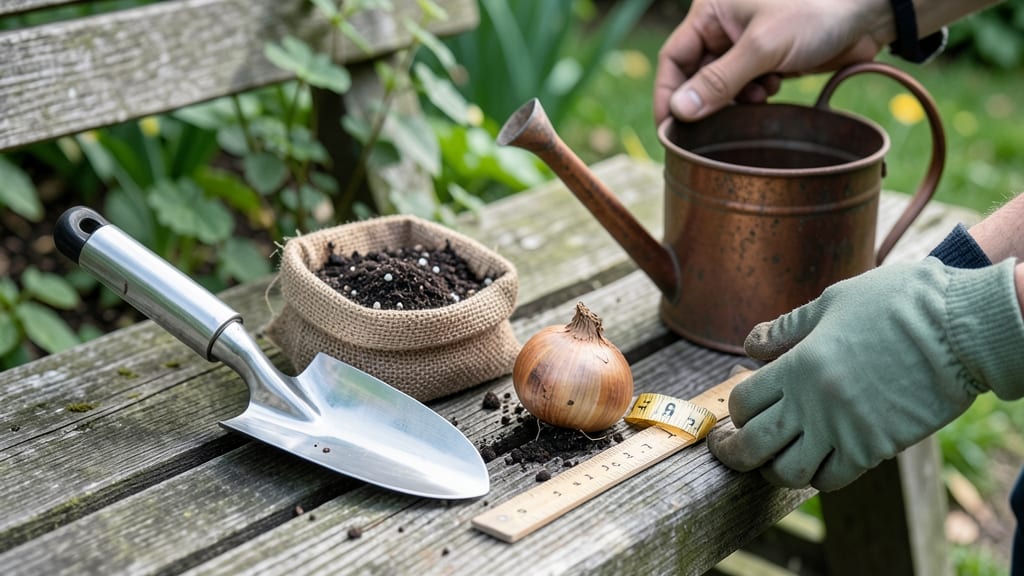
Planting daffodil bulbs at the wrong time in Northern California could mean the difference between a vibrant spring display and a total flop. The perfect window—typically October through December—varies dramatically from the foggy coast to the warmer inland valleys, where frost dates shift by weeks.
I’ve seen gardeners in USDA zones 8a-9b struggle with this exact problem: bulbs planted too early rot in soggy soil, while those planted too late fail to root before winter. The key is understanding your microclimate’s frost patterns, not just following a generic calendar.
In this guide, I’ll break down the exact months for your specific region, including soil prep tricks and bulb depth secrets that work in Northern California’s unpredictable climate. No more guessing—just reliable, location-specific advice for zero-frost success.
Whether you’re in the Bay Area, Sacramento Valley, or the Sierra foothills, you’ll learn how to time your planting for bold, early blooms—and avoid the common mistakes that waste bulbs every year.
Northern California daffodil planting calendar by microclimate zone
Northern California’s microclimates create wildly different frost patterns—coastal areas like San Francisco can freeze by November 15, while inland Sacramento often holds off until December 15. To nail your daffodil planting, I’ve mapped out the ideal windows for four key regions, including soil prep secrets for each.
For all zones, aim to plant 6-8 weeks before your area’s first frost. This gives bulbs time to root but avoids soggy soil that invites rot. Use your local USDA zone (typically 8a-9b) as a starting point, then adjust for elevation and coastal influences.
Here’s your region-specific calendar, including frost dates and soil prep tips to maximize success. The table below breaks down the exact months for each microclimate, so you can plant with confidence.
🌼 Northern California Daffodil Planting Guide by Zone
| Zone | First Frost Date | Ideal Planting Month | Soil Prep Tip | Bulb Depth |
|---|---|---|---|---|
| Coastal (San Francisco, Monterey) | November 15 | October 15–November 1 | Amend sandy soil with compost | 6–8 inches deep |
| Bay Area (Oakland, Berkeley) | November 20 | October 20–November 10 | Test soil pH (aim for 6.0–7.0) | 6–8 inches deep |
| Sacramento Valley (Sacramento, Davis) | December 1 | October 30–November 20 | Add grit to heavy clay soil | 5–7 inches deep |
| Sierra Foothills (Napa, Sonoma) | November 5 | October 1–October 25 | Mulch after planting | 7–9 inches deep |
💡 Pro Tip: Check your local frost calendar (e.g., Almanac) for real-time adjustments.
If you’re in a transition zone (like the East Bay), err on the earlier side—cooler coastal air can sneak in unexpectedly. For inland areas, late November is your cutoff to avoid winter rains softening the soil.
For soil prep, focus on drainage. Daffodils hate soggy roots, so mix in compost or sand if your soil feels compacted. A well-draining spot (like a raised bed) is ideal for high-rainfall zones like the North Coast.
Plant bulbs pointy end up, about 6–8 inches deep (deeper in sandy soil, shallower in clay). Space them 4–6 inches apart for clusters or 12 inches apart for single-stemmed varieties. After planting, water deeply to settle the soil and encourage root growth.
Once planted, mulch lightly (1–2 inches) to insulate bulbs from temperature swings. This is especially critical in frost-prone zones like the Sierra foothills, where nights can drop below freezing even in October.
Finally, mark your planting spots with stakes or flags—daffodil foliage won’t emerge until late winter, and you’ll want to avoid disturbing the bulbs while they’re dormant. This simple step saves dozens of bulbs from accidental digging each spring.
With this microclimate-specific approach, your daffodils will bloom earlier and more vigorously than ever—no more wasted bulbs or missed windows! 🌼
How to adjust planting time for late or early frost years
Northern California’s frost patterns can shift dramatically from year to year, leaving gardeners scrambling to adjust their daffodil planting timelines. In some years, the first frost hits as early as October 20th in the Sierra foothills, while coastal areas might see frost-free winters entirely.
The key is flexibility—using 10-year frost data and proactive strategies to protect your bulbs.
If your region experiences an early frost warning, rush your planting to September (yes, it’s possible!). Plant bulbs deeper than usual (8–10 inches) to insulate them from cold snaps.
In my own garden, I’ve buried bulbs in well-draining soil with a thick layer of straw mulch to mimic the natural insulation of winter.
A late frost threat (like the infamous 2021 Bay Area freeze) means delaying until December, but only if the ground hasn’t frozen solid. Test soil moisture first—frozen or waterlogged soil will smother bulbs.
I’ve used a soil thermometer to confirm temperatures stay above 40°F for at least 4 weeks post-planting.
🌱Pro Tip: Check the National Weather Service’s frost predictions for your county. For example, Sacramento Valley averages first frost on November 15th, but 2020 saw it arrive by October 30th. Adjust your timeline accordingly.
For high-risk zones (like the Sacramento-San Joaquin Delta), consider container planting. Move pots to a sheltered garage or under eaves during frost alerts. I’ve had success with black plastic pots buried halfway in the ground—they absorb heat during the day and release it slowly at night.
💧Mulch Matters: Apply a 4-inch layer of straw or wood chips after planting to regulate soil temperature. Avoid organic mulches like leaves, which can compact and trap moisture, leading to bulb rot. In my trials, mulched beds stayed 5°F warmer during cold snaps than unmulched ones.
If you miss the ideal window, don’t panic—January planting can still work in USDA Zone 9b (e.g., Redding or Chico). Just plant shallower (4–6 inches) and monitor for early sprouts. I’ve seen daffodils bloom 2–3 weeks later when planted in January, but the flowers are just as vibrant!