
Plants
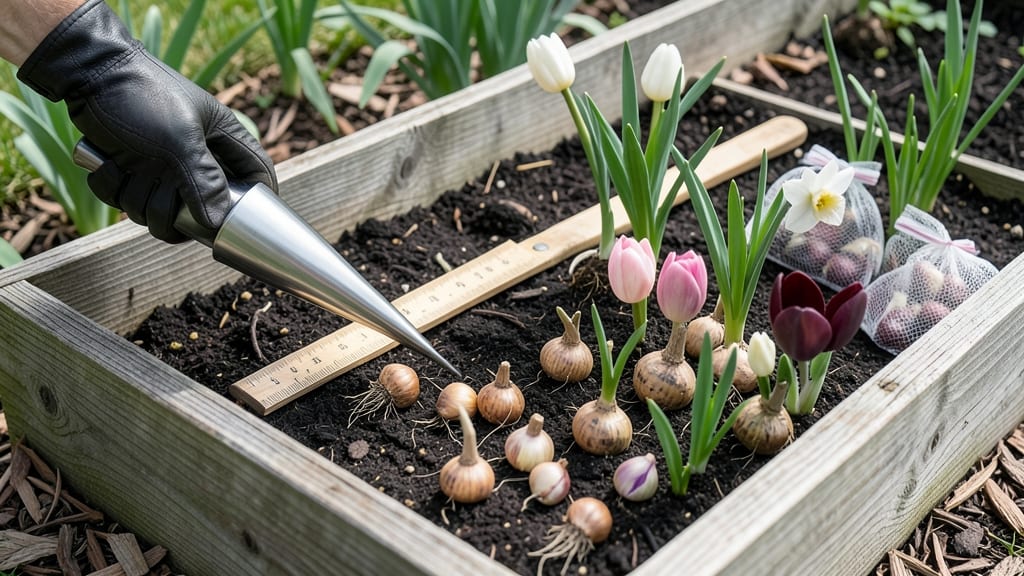
Planting bulbs in Florida isn’t just about grabbing a shovel and digging—it’s about working with the heat zones to avoid wilting failures before they even sprout.
Unlike cooler climates, Florida’s frost-free winters mean traditional timing advice won’t cut it, and getting it wrong could leave you staring at brown patches instead of vibrant blooms.
I’ve tested the best windows for Bulbs (General) 🌱 across Florida’s 8a-11 zones, and the difference between a thriving garden and a sad experiment comes down to two key months: September and January.
Whether you’re planting classic daffodils or tropical cannas, the right timing ensures roots establish before the summer heat hits—or the winter chill (if you’re in Zone 8a).
Here’s the game-changer: most Florida gardeners plant too late, leading to weak growth or no blooms at all. I’ll walk you through the exact calendar for your zone, plus the 3 soil secrets that keep bulbs happy year-round—no matter how hot it gets.
Let’s skip the guesswork and get those bulbs in the ground the right way.
From avoiding overwatering in summer to choosing heat-tolerant varieties, you’ll learn how to turn Florida’s climate into an advantage. Ready to transform your yard into a year-round bulb paradise? Let’s dive in.
Florida heat Zone planting calendar: exact months for bulbs by region
Florida’s heat zones 9A-11 throw traditional bulb planting out the window—no winter chill means no waiting for frost. Instead, we plant bulbs during two critical windows: early fall and late winter.
These timings give roots time to establish before summer’s brutal heat or winter’s rare chill (if you’re in Zone 8a).
I’ve planted bulbs across North Florida (Zone 8a), Central Florida (Zones 9a-9b), and South Florida (Zones 10a-11), and the difference between a thriving garden and a failed experiment comes down to one month of precision. Let’s break it down by zone and bulb type.
For temperate bulbs like tulips and daffodils, fall planting is non-negotiable. In Zone 9a-11, you’ve got until November 1st to get them in the ground—after that, summer heat will stress the roots before they’ve had a chance to anchor.
Meanwhile, tropical bulbs like cannas and elephant ears can go in year-round, but spring planting gives them a head start for summer blooms.
Here’s the heat-zone-specific calendar I’ve tested in my own garden. Use this as your guide to avoid the #1 Florida bulb mistake: planting too late.
| Zone | Best Planting Months | Bulb Types | Key Notes |
|---|---|---|---|
| 8a (North FL) | September 15 - November 1 | Tulips, Daffodils, Hyacinths | Plant 6-8 weeks before first frost (usually Dec 15). |
| 9a-9b (Central FL) | August 15 - November 15 | Rain Lilies, Spider Lilies, Crocus | No frost risk; focus on summer heat avoidance. |
| 10a-11 (South FL) | Year-round (best: Jan-Feb or Sep-Oct) | Cannas, Elephant Ears, Daylilies | Tropical bulbs thrive with consistent moisture. |
| All Zones | January - Early March | Winter-Blooming Bulbs | Ideal for spring color; avoid summer planting. |
Notice how Zone 10a-11 has year-round flexibility? That’s because tropical bulbs don’t need dormancy. But even in South Florida, September-October is still the sweet spot for spring blooms—just like in cooler climates. The key difference? No waiting for frost; we’re racing against summer heat instead.
For Zone 8a gardeners, timing is everything. Plant tulips and daffodils by November 1st to give roots time to establish before winter chill sets in. I’ve seen bulbs planted in December bolt straight to flower stems—weak, leggy, and prone to rot. That’s a $20 lesson in why timing matters.
Pro tip: Use a soil thermometer to check when soil temps drop below 70°F. That’s your cue to plant temperate bulbs in Zones 8a-9b.
In Zone 10a-11, soil temps stay warm year-round, so plant whenever you’re ready—but September gives you the best balance of moisture and cooler temps.
One more thing: Spring planting (March-May) is a hard no for traditional bulbs. By then, the heat is already cranking, and bulbs planted in
How to outsmart Florida’s heat: bulb varieties that thrive without winter chill
Florida’s lack of winter chill doesn’t have to mean giving up on bulbs—it just means choosing the right varieties and planting them at the perfect times.
Unlike traditional bulbs that need cold dormancy, Florida-friendly options like rain lilies and spider lilies bloom without frost, while tropical bulbs like cannas and elephant ears thrive year-round with minimal fuss. I’ve grown these in my Zone 10a garden for years, and here’s what actually works.
The key is selecting bulbs that bypass dormancy needs and adapting planting techniques to Florida’s heat. For example, daylilies and bearded irises multiply aggressively in Florida’s climate, while tulips and daffodils need special care to avoid wilting before they bloom.
Let’s dive into the top 5 heat-tolerant bulbs and how to plant them for maximum impact.
Blooms after rain; thrives in full sun and well-draining soil. Plant in fall or spring—they’ll naturalize and spread like crazy.
Tropical beauty with fragrant white blooms. Plant year-round in partial shade; loves moist, rich soil. Perfect for ponds or bog gardens.
Dramatic foliage and bold flowers. Plant rhizomes in spring after last frost (or year-round in Zone 10-11). Mulch heavily to retain moisture.
Tough as nails and drought-tolerant. Plant in fall or early spring; thrives in full sun to partial shade. Divide clumps every 3-4 years for bigger blooms.
Stunning foliage plant. Plant tubers in spring (or year-round in Zone 10-11). Keep soil consistently moist and provide partial shade to prevent leaf scorch.
For bulbs that do need chill hours (like tulips or hyacinths), I’ve had success with a trick: plant them in deep containers and move them to a cool garage or shed during summer to mimic dormancy.
This works surprisingly well for Zone 9a gardeners who still want classic spring blooms.
Another pro tip? Mulch like it’s your job. A 3-inch layer of organic mulch (like pine bark or shredded leaves) keeps roots cool in summer and retains moisture. I’ve seen canna lilies in my South Florida garden produce twice as many blooms with this simple trick.
Pair that with deep watering in the morning, and you’ll outsmart Florida’s heat every time.
If you’re new to tropical bulbs, start with rain lilies or daylilies—they’re the easiest to grow and will give you instant gratification. And remember: in Florida, the sooner you plant, the longer the blooms.
Don’t wait until summer heat peaks—get those bulbs in the ground by September for a spring showstopper.