
Plants
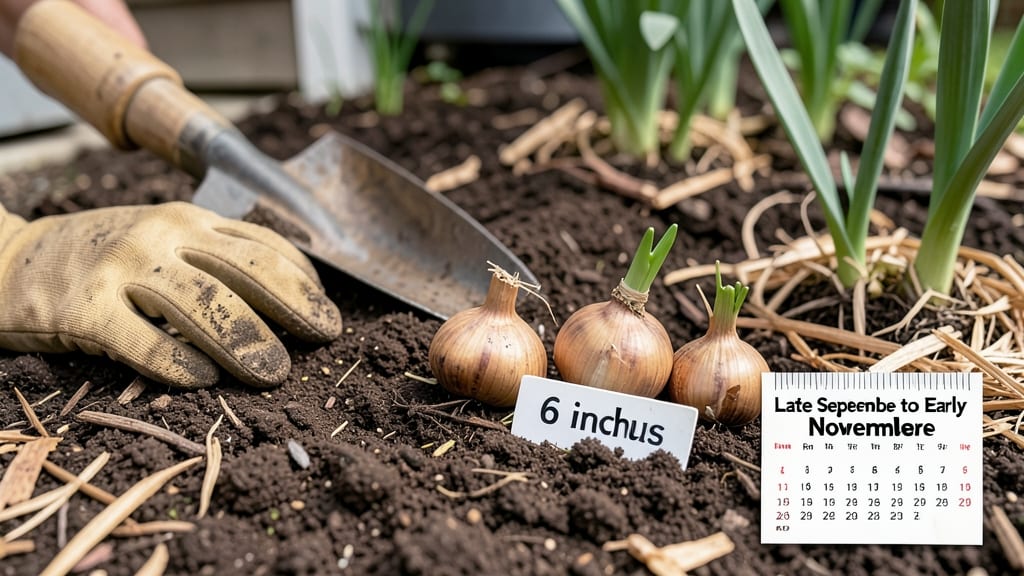
Planting daffodil bulbs at the wrong time in Michigan can mean the difference between a vibrant spring garden and wasted money. The ideal window—September through November—gives these hardy 🌼 flowers time to root before winter’s chill sets in.
Why does timing matter so much? Too early, and bulbs rot in cold, soggy soil; too late, and they won’t establish roots before the ground freezes. In Zone 5b-6b, where Michigan falls, the 6-week window before the first frost is critical for success.
I’ll break down exactly when to plant in your specific zone, how to check soil readiness, and the best varieties for Michigan’s climate. Skip the guesswork and get the perfect timing for bulbs that’ll bloom reliably year after year.
Ready to transform your yard into an early spring showstopper? Let’s dive into the step-by-step guide that’ll have your daffodils popping up like clockwork—no more missed deadlines or disappointed gardeners.
Michigan daffodil planting deadlines by Zone 5b-6a (with frost risk factors)
Michigan’s Zone 5b-6a climate creates a tight window for planting daffodil bulbs—too early and they’ll rot in damp soil; too late and they won’t establish roots before winter.
The key is planting 4-6 weeks before the ground freezes, typically between mid-September and late November, depending on your exact location and frost dates.
Northern Michigan (Zone 5b) has an earlier deadline—aim for September 15 to October 15—while southern areas (Zone 6a) can stretch until November 1. Always check your last frost date (usually mid-October) and adjust accordingly.
For example, in Detroit (Zone 6a), November 1 is ideal, but in Traverse City (Zone 5b), you should finish by October 15.
Soil temperature is critical: daffodils need 60°F soil to start rooting but will rot if planted in soil above 65°F. In Michigan, this usually means waiting until late August to early September for northern zones and early September for southern zones.
Use a soil thermometer to confirm—planting too soon is the #1 mistake Michigan gardeners make.
🌼 Michigan Daffodil Planting Deadlines by Zone
| Zone | Ideal Planting Window | Risky Late Planting | Soil Temp Goal | Frost Risk |
|---|---|---|---|---|
| Zone 5b (Northern MI) | Sep 15–Oct 15 | After Oct 20 | 55–60°F | High (early frost) |
| Zone 6a (Southern MI) | Sep 1–Nov 1 | After Nov 10 | 58–62°F | Moderate (late frost) |
*Source: Michigan State University Extension, 2024 frost data
Pro tip: Use Michigan State University’s frost calendar (available online) to pinpoint your exact deadline. For example, Grand Rapids (Zone 6a) can plant until October 31, while Marquette (Zone 5b) should finish by October 1. Late October plantings risk frost damage before roots establish.
If you miss the fall window, spring planting is possible but risky—daffodils need 6-8 weeks to root before summer heat arrives. Plant in early April (Zone 5b) or late March (Zone 6a), but expect smaller blooms the first year.
For best results, stick to fall planting and mark your calendar now!
Michigan’s clay-heavy soils can delay planting if soggy. Amend with compost or sand to improve drainage, and plant bulbs 6 inches deep in well-draining soil. In wet years, wait until soil dries slightly—even a 1-week delay can prevent rot.
For container gardening, follow the same deadlines but use well-draining potting mix. Place pots in protected areas (like against a south-facing wall) to extend the season. Mulch with straw or leaves after planting to insulate bulbs from temperature swings.
Remember: Daffodils planted in fall will reward you with bold spring blooms, while late plantings may struggle. Use this table as your Michigan-specific guide—and don’t forget to water deeply after planting to encourage root growth before winter sets in! 🌱
5 Critical signs your Michigan soil is ready (or not ready) for daffodil bulbs
Michigan’s clay-heavy soils and unpredictable fall weather make timing tricky. Before you plant, check these 5 soil readiness signs to ensure your daffodil bulbs thrive—not rot. Cold soil and soggy conditions are silent killers, while ideal conditions set the stage for vibrant spring blooms.
First, test your soil temperature—it should be below 60°F (15°C) but not frozen. Use a soil thermometer (or your elbow: if it feels cool but not icy, you’re in the zone). Warmer soil speeds up bulb growth, but daffodils need cold dormancy to bloom properly.
Next, assess moisture levels. Stick your finger 2 inches deep—if it’s damp but not waterlogged, your soil is ready. Michigan’s heavy clay holds moisture too well, so amend with compost or sand if drainage is poor.
A quick test: Dig a small hole, fill it with water, and see how fast it drains.
🌱 Did You Know? Daffodil bulbs planted in soggy soil rot within 3-5 days. Michigan’s Zone 5b-6a requires well-draining soil to prevent bulb loss over winter.
- Temp: 40°F–60°F (4°C–15°C)
- Moisture: Damp, not soggy
- Drainage: Water drains in <1 hour
- Frost: 4–6 weeks until hard freeze
- pH: 6.0–7.0 (test with a kit)
Watch for ground frost warnings from the Michigan State University Extension. Plant 4–6 weeks before the first hard freeze (usually mid-October in Zone 5b, late October in Zone 6a). Late plantings may not establish roots before winter, while early ones risk rot in warm soil.
Finally, inspect your planting site for compaction or rocks. Daffodils need loose soil to spread roots. Break up hardpan with a garden fork and mix in organic matter like leaf mold or compost. This improves aeration and warmth retention—critical for bulb survival in Michigan’s winters.
Pro tip: Mark your planting spots with stakes or flags so you remember where bulbs go. Come spring, you’ll thank yourself when cheerful daffodil blooms push through the snow. 🌼