
Plants
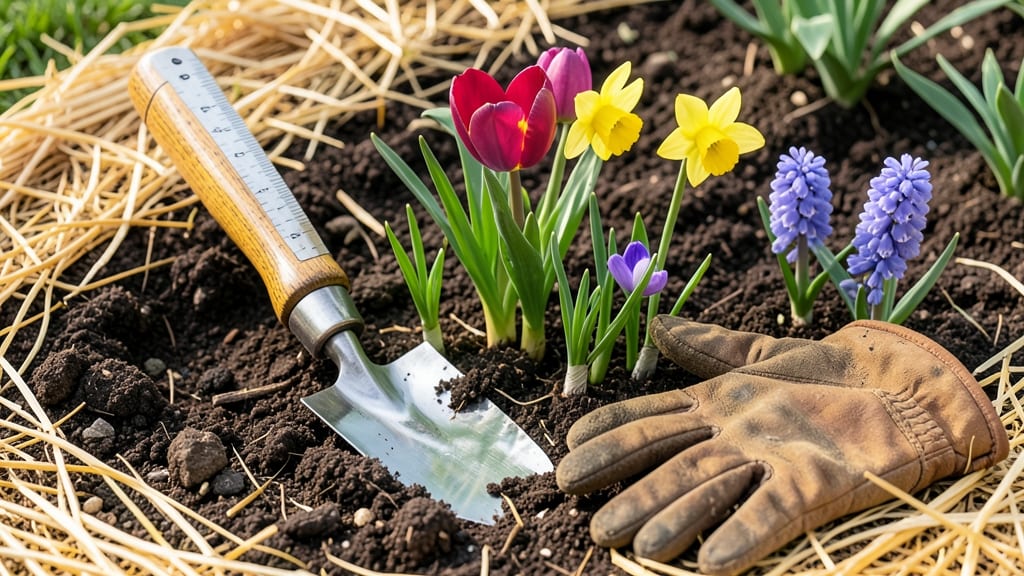
Planting your 🌷 Spring-Planted Bulbs at the wrong time in Michigan can mean the difference between a vibrant garden and a sad, frozen disappointment. While many gardeners focus on fall planting, spring offers a second chance—but only if you nail the timing.
In Michigan’s 5b-6b zones, the ideal window opens after the last frost date, typically around mid-April, but rushing too early risks cold soil damaging delicate roots. I’ll break down the exact deadlines for your region, plus how to adjust for Michigan’s unpredictable weather patterns.
Whether you’re growing tulips, daffodils, or hyacinths, knowing when to plant ensures your bulbs thrive and bloom on schedule. Let’s dive into the zone-specific strategies that will give you the brightest, healthiest flowers this spring.
You’ll also discover how to prep your soil, avoid common mistakes, and choose the best bulb varieties for Michigan’s climate. Ready to turn your garden into a springtime masterpiece? Let’s get started.
Michigan spring bulb planting deadlines by USDA Zone (with frost risk alerts)
Michigan’s USDA Zones 4-6 create unique challenges for spring bulb planting, where frost dates shift dramatically between northern and southern regions. In Zone 4 (Upper Peninsula), gardeners face late spring frosts until mid-May, while Zone 6 (southern Michigan) typically sees frost-free conditions by early April.
Understanding these last frost dates is critical—plant too early, and your bulbs may rot; too late, and you’ll miss peak blooms.
For spring-planted bulbs like tulips and daffodils, the ideal window is 4-6 weeks before your last frost date. This ensures roots establish before sprouting begins. In most of Michigan, that means mid-April to early May, but northern regions should wait until May 1-15 to avoid frost damage.
Always check your local Almanac frost dates—they’re your best guide!
Soil temperature matters just as much as air temperature. Bulbs need 45-55°F soil to thrive. In Michigan, this typically aligns with late April in southern areas but early May in the north.
Use a soil thermometer to verify—planting in cold, wet soil can cause rot, while waiting for warmer conditions ensures strong root growth.
Here’s how Michigan’s USDA Zones 4-6 break down for spring bulb planting:
| Zone | Last Frost Date | Ideal Planting Window | Soil Temp Goal | Frost Risk |
|---|---|---|---|---|
| Zone 4 (Upper Peninsula) | May 15 | May 1-15 | 45-55°F | High (late frosts common) |
| Zone 5 (Northern Lower Peninsula) | April 25 | April 15-May 1 | 45-55°F | Moderate (occasional late frosts) |
| Zone 6 (Southern Michigan) | April 10 | March 25-April 15 | 45-55°F | Low (rare late frosts) |
Timing isn’t just about avoiding frost—it’s also about bloom synchronization. Planting too late can delay flowers until summer heat arrives, causing buds to brown before opening.
Aim to have bulbs sprouting by early May in most of Michigan so they bloom in late spring, when temperatures are ideal. Daffodils and hyacinths are more forgiving with later planting, while tulips need precise timing for best results.
Michigan’s unpredictable weather adds another layer of complexity. A late April frost in southern Michigan or a May snowstorm in the north can derail even the best-laid plans. That’s why I always recommend having a backup plan, like keeping bulbs in a cool, dark basement until soil warms.
This gives you flexibility to plant when conditions are truly right.
Don’t forget about soil preparation—bulbs need well-draining soil to prevent rot. Amend heavy clay soils with compost or sand before planting. In Zone 4, where soils stay cold longer, consider planting in raised beds to warm up faster.
This simple adjustment can mean the difference between healthy blooms and failed sprouts.
For gardeners in Zone 6, the earliest you should plant is late March, but wait until soil temperatures rise above 45°F. Use a soil thermometer to check—if it’s still below 40°F, hold off.
In Zone 4, patience is key; rushing can lead to bulb rot in cold, wet conditions. Always prioritize soil temperature over calendar dates.
One common mistake is planting bulbs too shallow in cold soil. Bulbs need 6-8 inches of depth (or 3x their height) to protect them from temperature fluctuations. In Michigan’s Zone 5, where frosts linger, deeper planting gives bulbs the insulation they need.
Use a bulb planter to ensure consistent depth—it’s a small investment that pays off in vibrant blooms.
Finally, remember that spring-planted bulbs like tulips and daffodils need 6-8 weeks to establish roots before blooming. If you’re aiming for early spring flowers, start planting in late April in Zone 6 or early May in Zone 4.
This timing ensures bulbs have enough time to root deeply before shooting up in warmer weather.
How to adjust planting timing for Michigan’s unpredictable weather (pro tips)
Michigan’s spring weather is famously unpredictable—one day it’s 60°F and sunny, the next we’re shoveling snow. This volatility makes spring bulb planting a high-stakes game. The key is flexibility: knowing how to adjust your timing based on soil conditions, frost forecasts, and even your local microclimate.
For example, northern Michigan (Zone 4) can still see late frosts in May, while southern Michigan (Zone 6) might warm up faster. The goal? Plant bulbs when the soil temperature hits 50°F and stays there, not when the air feels spring-like.
The biggest mistake I see is planting too early because the ground is still frozen or cold. Bulbs like tulips and daffodils need consistent warmth to root before they sprout. If you plant them in chilly, wet soil, they’ll rot instead of thrive.
Use a soil thermometer ($10 at garden centers) to check—aim for 50-55°F at 4 inches deep. Another pro tip: test your soil’s moisture before planting. If it’s soggy, wait a few days or amend with compost to improve drainage. Wet soil + cold temps = disaster for bulbs.
Michigan’s average last frost date is April 15, but late frosts can hit May 10 in Zone 4. Use the National Weather Service’s frost prediction tool to track local risks. If frost is forecasted within 2 weeks of planting, delay until after the danger passes. For extra protection, plant deeper (8-10 inches) for tulips or cover with straw mulch (3-4 inches) to insulate bulbs.
When in doubt, prioritize soil temperature over calendar dates. I once planted hyacinths in early April in my Zone 5b garden, only for a hard freeze to hit two weeks later. The bulbs survived, but their growth was stunted.
Now, I wait until mid-April unless I’m using a row cover to create a microclimate. Another trick? Plant shade-tolerant bulbs (like alliums) first—they’re less sensitive to cold snaps than sun-lovers like tulips.
If you’re in a low-lying area, where cold air settles, plant bulbs on a slight mound to avoid frost pockets.
Don’t forget about watering strategies to extend your planting window. Bulbs need consistent moisture but hate soggy soil. After planting, water deeply once a week (or more if it’s dry) to encourage root growth. Use a drip irrigation system on a timer to avoid overwatering.
If you’re planting in sandy soil, which warms up faster, you can start 1-2 weeks earlier than clay-heavy soils. Just remember: bulbs planted in cold soil won’t root—they’ll just sit there waiting for warmth.
For gardeners in Zone 6 (southern Michigan), you might have a 3-week window to plant bulbs in spring (mid-April to early May). But if you’re in Zone 4 (Upper Peninsula), your window shrinks to 2 weeks (late April to mid-May).
To maximize your chances, plant early-blooming varieties first, like daffodils, which tolerate cooler temps better than late tulips. If you miss the spring window, don’t panic—fall planting (September-October) is still your best bet for reliable blooms.
Here’s my final pro tip: keep a gardening journal to track your local frost dates and soil temps. Over time, you’ll spot patterns—like if your yard freezes later than the USDA zone average.
For example, my north-facing bed stays cold longer than my south-facing slope, so I plant bulbs there 10 days later. Small adjustments like this can turn a 50% success rate into a 90% bloom guarantee**.
🌱 "Patience and preparation are your best tools against Michigan’s mood swings."