
Plants
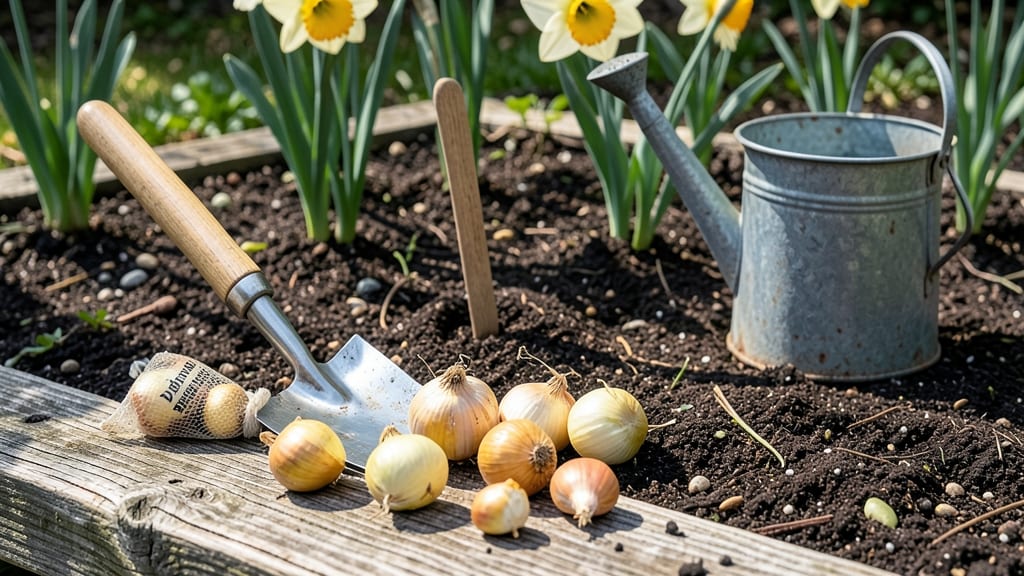
Planting daffodil bulbs at the right time in Arkansas is the secret to those vibrant 🌼 blooms that brighten up your spring garden every year.
If you've ever wondered why some gardens burst with color while others struggle, the answer often lies in timing—especially in a state with variable frost dates like Arkansas.
For Arkansas gardeners in zones 7a-8a, the ideal window to plant daffodil bulbs is between October and November, when soil temperatures drop but before the ground freezes solid.
This timing allows the bulbs to establish roots while avoiding early frost, which can stunt growth or even kill young plants before they've had a chance to thrive.
Why does this matter so much? Because daffodils need 6-8 weeks of cool soil to root properly before winter dormancy sets in.
In Arkansas, where first frost typically arrives around November 15, planting too late can leave your bulbs vulnerable, while planting too early might expose them to pests or uneven soil conditions.
In this guide, I'll walk you through the exact steps to time your planting perfectly—from soil prep to depth and spacing—so you can enjoy a garden full of cheerful daffodils year after year. Let's get started!
Optimal Arkansas fall planting window for daffodil bulbs
Daffodils (Narcissus) thrive in Arkansas’s mild winters, but planting them at the wrong time can stunt growth or delay blooms. The ideal window spans from mid-September through November, aligning with soil temperatures and frost risks.
Aim for 6-8 weeks before the first frost, which typically hits mid-November in most of Arkansas.
For northern Arkansas (USDA Zone 7a), prioritize planting by early October to ensure bulbs establish roots before cold sets in. In southern Arkansas (Zone 8a), you can extend planting until late November—just monitor soil temps, which should stay above 50°F for root growth.
Here’s the month-by-month breakdown of when to plant for maximum success, tailored to Arkansas’s climate:
Perfect for northern Arkansas or high-elevation areas. Soil stays warm, encouraging root growth before winter. Plant by mid-September to avoid late-season pests.
The sweet spot for all Arkansas regions. Soil cools slightly, reducing fungal risks, while bulbs still get 4-6 weeks of warm weather to root.
Only for southern Arkansas or microclimates with delayed frost. Plant by early November—later than this risks bulbs rotting before winter dormancy.
Bulbs need root establishment time. Planting in December leaves them vulnerable to freeze-thaw cycles, stunting growth.
Pro tip: Use a soil thermometer to check depths—60°F soil is ideal for planting. In Arkansas’s humid climate, prioritize well-draining soil to prevent bulb rot, especially in clay-heavy areas like the Delta region.
After planting, mulch with 2-3 inches of organic material (like straw) to insulate bulbs from temperature swings. This is especially critical in Zone 7a, where winters can dip below 20°F.
Timing isn’t just about months—it’s about soil conditions. Wait until after the first hard frost (usually late October) to plant in northern Arkansas, but don’t delay past November 15 anywhere in the state.
For container gardening, plant daffodils in October and place pots in sheltered spots (like against a south-facing wall) to extend the growing season. This mimics Arkansas’s mild microclimates found in urban areas.
Remember: Early planting = bigger blooms. Daffodils planted in September often produce 20-30% more flowers than those planted in November, thanks to longer root development.
🌼
Arkansas-specific factors that affect daffodil planting success
Arkansas’s diverse climate—from the humid Delta region to the cooler Ozark Mountains—means daffodil planting success hinges on understanding local soil types and microclimates. Unlike northern states, Arkansas’s high humidity and clay-heavy soils (common in the Delta) can suffocate bulbs if not prepared properly.
Meanwhile, sandy soils in the Ozarks drain too quickly, risking poor root establishment.
For northern Arkansas (Zone 7a), prioritize well-draining soil mixes to combat heavy clay. In southern Arkansas (Zone 8a)mulching to retain moisture during hot summers. Even a 2-inch difference in planting depth can mean the difference between thriving blooms and bulb rot.
Here’s how Arkansas’s unique conditions impact daffodil planting:
| Factor | Northern Arkansas (Zone 7a) | Southern Arkansas (Zone 8a) | Solution |
|---|---|---|---|
| Soil Type | Heavy clay (poor drainage) | Sandy loam (fast-draining) | Amend with compost (Zone 7a) or peat moss (Zone 8a) |
| Humidity | High (fungal risk) | Moderate (less fungal pressure) | Plant in raised beds or add gravel to soil |
| Planting Depth | 6 inches (deeper for insulation) | 4-5 inches (shallower for warmth) | Use a soil gauge to measure |
| Spacing | 4-6 inches apart | 5-7 inches apart | Thinner spacing in clay soils to prevent crowding |
| Mulch Thickness | 3 inches (insulation) | 2 inches (moisture retention) | Use straw or pine needles |
In urban Arkansas, microclimates can shift planting windows by weeks. For example, gardens near rivers or lakes (like in Little Rock) may experience earlier frosts due to cooler air settling in low areas.
Conversely, south-facing slopes in the Ozarks can delay frost by 10-14 days, giving you extra time for late-November plantings.
Another Arkansas-specific tip: Test your soil’s pH before planting. Daffodils prefer 6.0-7.0 pH. In acidic Delta soils, add lime to raise pH, while alkaline Ozark soils may need sulfur to lower pH. A simple $10 soil kit from your local garden center solves this in minutes.
For container gardening in Arkansas’s heat, use pots with drainage holes and fill the bottom with perlite to improve aeration. Place containers in partial shade during summer to prevent overheating, then move to full sun in fall for optimal bulb growth.
Remember: Arkansas’s humidity is your biggest ally or enemy. While it helps daffodils establish roots in fall, it also invites fungal diseases like gray mold. Always plant in well-aerated soil and avoid overhead watering after planting to keep bulbs healthy.
🌱