
Plants
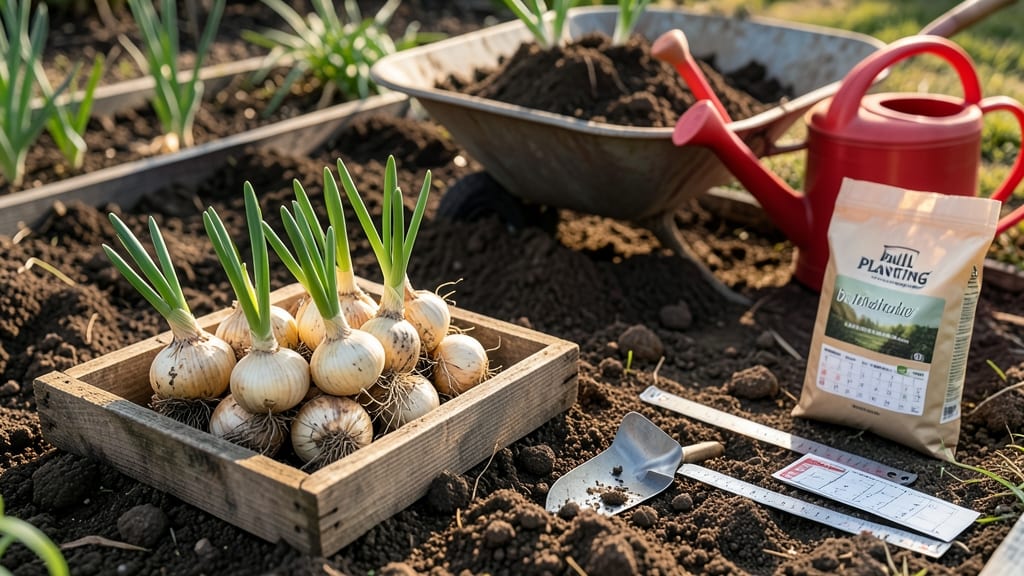
Planting daffodil bulbs at the wrong time in Oklahoma can mean the difference between a vibrant spring garden and a sad, rotting investment.
The key to success lies in understanding your USDA 6b-7a zone and timing it perfectly for those early October to mid-November windows when soil temperatures drop to 40-50°F.
I’ve learned the hard way that rushing too early or waiting too late can leave your 🌼 daffodils struggling. Whether you’re a seasoned gardener or just starting, getting this right ensures your bulbs establish strong roots before winter sets in.
Let’s break down the exact steps to plant for a showstopping spring display.
Oklahoma’s climate throws a curveball with its unpredictable frost dates, but there’s a foolproof method to nail your planting window. You’ll discover how to check soil readiness, adjust for your specific location (whether you’re in Oklahoma City or rural areas), and avoid common mistakes that waste bulbs.
By the end, you’ll have a clear, actionable plan to plant your daffodils with confidence—so you can enjoy those cheerful blooms come April without a second thought. Ready to get started?
Best late fall planting window for Oklahoma daffodils (with exact dates)
Timing is everything when planting daffodil bulbs in Oklahoma—too early and they’ll rot, too late and they won’t bloom. Aim for a 6-week window from early October to mid-November, when soil temps drop to 40-50°F and frost looms.
This aligns with Oklahoma’s USDA Zones 6b-7a, where first frosts typically hit November 15.
For Oklahoma City and Tulsa, start planting by October 15 to finish before ground freezes. Rural areas with later frosts (like Altus) can extend planting until mid-November. Always check your local frost date—plant bulbs 4-6 weeks before the first hard freeze.
Use this simple test to verify soil readiness: Stick a thermometer 4 inches deep—if temps are below 50°F, it’s time to plant. Cold soil helps bulbs establish roots before winter dormancy. Daffodils thrive when planted in cool but unfrozen ground, so avoid soggy or frozen soil.
Pro tip: If your Oklahoma soil stays warm late into November, opt for early October planting to prevent rot. Use a soil thermometer ($10 at garden centers) to monitor temps—this is your best tool for success.
City-specific adjustments matter! Northern Oklahoma (Oklahoma City) should plant by October 25, while southern regions (Lawton) can wait until November 10. Always plant bulbs 3-6 inches deep and 3-6 inches apart for optimal growth.
🌼 Oklahoma Daffodil Planting Timeline
| Region | Ideal Planting Window | Soil Temp Threshold | Key Action |
|---|---|---|---|
| Oklahoma City | Oct 15–Nov 1 | 40–50°F | Plant before first frost |
| Tulsa | Oct 20–Nov 5 | 40–50°F | Test soil with thermometer |
| Altus | Oct 25–Nov 15 | 45–55°F | Extend window for later frost |
🌱 Note: Adjust for microclimates—shady spots may need earlier planting.
Don’t stress over exact dates—focus on soil conditions. If your garden stays dry and warm, plant earlier (early October). If it’s chilly and damp, wait until late October. Always plant bulbs in well-draining soil to prevent rot during Oklahoma’s wet winters.
For container gardening, plant daffodils in late October to avoid overheating in pots. Use a lightweight potting mix with perlite to improve drainage. Containers warm up faster, so monitor soil temps closely—aim for 50°F or cooler.
After planting, mulch with 2-3 inches of straw to insulate bulbs from freeze-thaw cycles. This protects roots during Oklahoma’s unpredictable winters and encourages stronger blooms next spring. Remove mulch in early spring once shoots emerge.
Remember: Daffodils need chill hours to bloom. Oklahoma’s winters provide enough cold, but planting too late (after November 15) may delay or reduce flowering. Aim for 10-12 weeks of cold soil before spring growth.
🌼 Final tip: Mark your planting spots with flags or stakes so you don’t accidentally dig them up in spring! Daffodil foliage is crucial for next year’s blooms—never cut it back until it yellows naturally.
How to prepare Oklahoma soil for daffodil bulbs (3 critical steps)
Oklahoma’s clay-heavy soil and unpredictable rainfall can turn daffodil planting into a gamble if you skip soil prep. The key to success? Three critical adjustments that mimic the bulbs’ natural Mediterranean habitat—well-draining, slightly acidic soil with plenty of organic matter.
Let’s break it down so your daffodils thrive from day one.
First, test your soil’s pH—daffodils prefer a range of 6.5 to 7.0. Oklahoma’s native soil often leans alkaline, which can stunt bulb growth. Grab a soil test kit (available at local garden centers) or send a sample to your county extension office.
If your pH is off, amend with sulfur or peat moss to lower it gradually over a few weeks.
⚠️ CALLOUT WARNING ⚠️
Next, focus on drainage. Daffodils hate wet feet—even more than most bulbs. If your garden has heavy clay (common in Oklahoma City and Tulsa), mix in 2-3 inches of compost or sand into the top 12 inches of soil.
For problem areas, consider raised beds, which give you complete control over soil composition and prevent waterlogging.
Don’t overlook bulb placement depth—planting too shallow or deep throws off root development. In Oklahoma, aim for 6-8 inches deep, with the pointy end up. Space bulbs 3-6 inches apart, depending on variety: dwarf types (3 inches) and standard varieties (6 inches).
Use a bulb planter or your finger to mark holes for even spacing.
Finally, mulch after planting to insulate bulbs from Oklahoma’s freeze-thaw cycles. Apply 2-3 inches of straw or shredded leaves—avoid thick layers, which can suffocate bulbs. Mulch also suppresses weeds and retains moisture during dry spells, a common issue in western Oklahoma.
With these three steps—pH adjustment, drainage focus, and proper mulching—your daffodil bulbs will establish strong roots before winter, setting the stage for bold spring blooms that outshine last year’s efforts. 🌼