
Plants
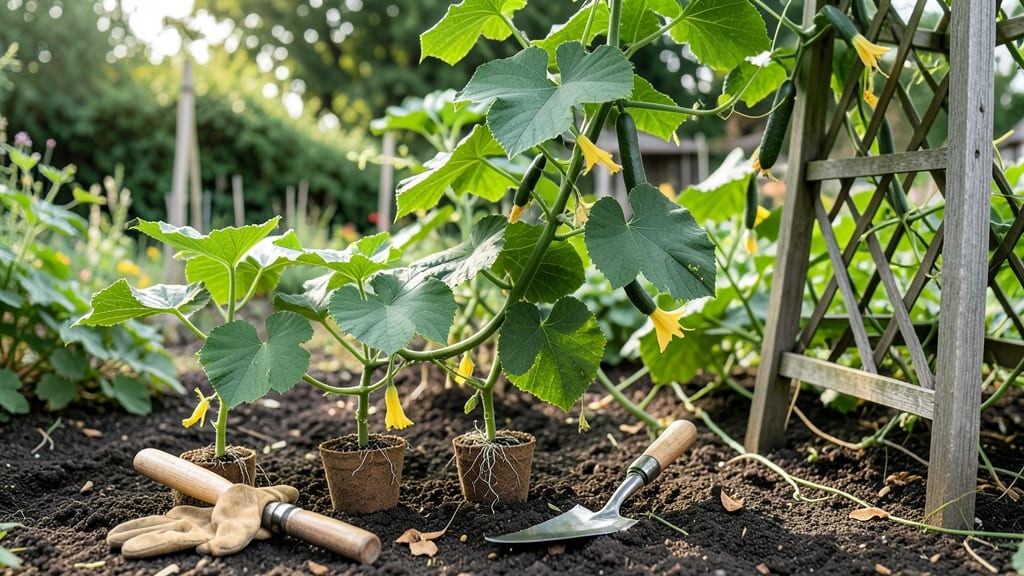
Planting cucumbers in Zone 9b at the wrong time means skipping the fast growth and heavy yields you’re after—especially when the desert heat can turn your plants into sad, bitter vines faster than you think.
If you’ve ever watched your 🥒 plants bolt before producing a single cucumber, you know timing is everything. The key isn’t just picking a month—it’s syncing your planting with the monsoon season’s arrival or avoiding the brutal summer peak.
I’ll show you the exact windows (and why September is your golden month) to maximize harvests.
Zone 9b gardeners have two prime chances: late winter and fall, but the fall window—September to October—is where the magic happens. With the right prep, you’ll dodge pests, heat stress, and the dreaded “too early” trap that ruins yields before they start.
Ready to turn your cucumber patch into a nonstop harvest machine? Let’s break down the perfect planting schedule, soil tricks, and heat hacks that’ll have your vines thriving when others are wilting.
Best months to plant cucumbers in Zone 9b for maximum yield
Zone 9b’s warm winters and long summers create a unique challenge for cucumber growers. Unlike cooler climates, you can’t just plant in spring—timing is everything to avoid heat stress or poor pollination.
The sweet spot? Late winter to early spring (February–March) for spring harvests, or fall (September–October) for cooler-season production. Let’s break down the exact windows and why they work.
Cucumbers thrive when soil temperatures hit 60°F+, which in Zone 9b typically occurs by mid-February in most areas. Planting too early risks bolting (premature flowering) or stunted growth, while waiting too long can lead to pest pressure or overripe fruit before harvest.
Microclimates matter—desert areas like Phoenix may need adjustments, while coastal spots like San Diego can extend windows slightly.
Here’s the ideal planting timeline for Zone 9b, tailored to your region’s microclimate:
| Season | Planting Window | Soil Temp | Harvest Window | Key Notes |
|---|---|---|---|---|
| Spring | February–March | 60°F+ | April–June | Best for desert areas; use shade cloth in May. |
| Fall | September–October | 70°F+ | November–December | Avoid planting after October 15; cool nights prevent bolting. |
| Succession | Every 2–3 weeks | 60°F+ | Continuous harvest | Stagger plants to extend yield; stop by early November. |
For desert Zone 9b (e.g., Phoenix, Tucson), aim for February 15–March 15 to beat the summer heat. Coastal areas (e.g., San Diego, Los Angeles) can plant slightly later—March 1–April 1—thanks to milder temperatures.
Always check your last frost date (rare but possible in microclimates) and adjust by 2–3 weeks if needed.
Pro tip: Use a soil thermometer to confirm temperatures. Cucumbers won’t germinate well below 60°F, and waiting until 70°F+ speeds up growth. In high-desert areas, warm soil faster with black plastic mulch or a cold frame.
If you’re growing in containers, start seeds indoors 3–4 weeks before your target outdoor date. Zone 9b’s intense sun can dry out pots quickly, so choose self-watering containers or bury pots halfway in the ground to stabilize moisture.
Heat-tolerant varieties like ‘Straight Eight’ or ‘Lemon’ cucumbers perform best in Zone 9b’s summer. These varieties handle 90°F+ temperatures better than standard slicing types, reducing the risk of bitter fruit. Pair them with drip irrigation to keep roots cool and consistent.
One common mistake? Planting cucumbers too close to summer (June–July). By then, the heat can shut down flowering and lead to poor pollination. Instead, focus on fall planting for a second harvest or use shade cloth (30–50%) to protect spring plants.
🌱
Best months to plant cucumbers in Zone 9b for maximum yield
Zone 9b’s warm winters and long summers create a unique planting window for cucumbers. Unlike cooler zones, you can grow them in both fall and spring, but timing is critical. Plant too early, and you risk bolting (premature flowering) from cool nights.
Plant too late, and intense summer heat can stress young plants. The sweet spot? Late winter to early spring (February–March) for spring harvests and late summer to early fall (September–October) for fall harvests.
For spring plantings, aim for February 15–March 15 in most of Zone 9b. Soil temperatures should reach at least 60°F—use a soil thermometer to confirm. In desert areas like Phoenix, wait until March 1 to avoid frost risks in microclimates.
For fall plantings, start seeds indoors by August 1 or direct-sow by September 1 to beat the summer heat and harvest before winter chill sets in.
| Planting Window | Soil Temp Requirement | Harvest Window | Key Consideration |
|---|---|---|---|
| Spring: Feb 15–Mar 15 | 60°F+ | April–June | Avoid bolting; use shade cloth if temps exceed 90°F |
| Fall: Sep 1–Oct 15 | 65°F+ | Nov–Dec | Beat summer heat; mulch to retain moisture |
| Succession Planting | 60°F+ | Continuous harvest | Sow every 2 weeks from Feb–Oct for non-stop yields |
In Southern California’s coastal areas, like San Diego, you can push spring plantings to January 15 thanks to milder microclimates. However, inland desert zones (e.g., Palm Springs or Phoenix) should wait until March 1 to avoid unexpected frost.
For fall, coastal areas can extend plantings to October 30, while desert zones should finish by September 30 to avoid heat stress on young plants.
Pro tip: Use black plastic mulch in desert climates to warm soil faster and retain moisture. This lets you start 2–3 weeks earlier in spring and extend fall plantings by 1–2 weeks. Pair it with drip irrigation to keep roots consistently moist—critical in Zone 9b’s intense sun.
Heat-tolerant varieties like ‘Straight Eight’ or ‘Lemon Cucumber’ thrive in Zone 9b’s summer heat, but even they need protection from 100°F+ temperatures. If planting in June–July, use 30–50% shade cloth to prevent sunscald and poor fruit set. Monitor plants daily during heatwaves, as cucumbers wilt quickly when thirsty.
Timing isn’t just about months—it’s about temperature thresholds. Cucumbers germinate best at 70–90°F soil temps, but young plants struggle in 95°F+ air temps.
For a foolproof harvest, align your planting with local monsoon patterns: Aim for September sowing to coincide with summer rains, which reduce watering demands and cool the soil.