
Companion Plants
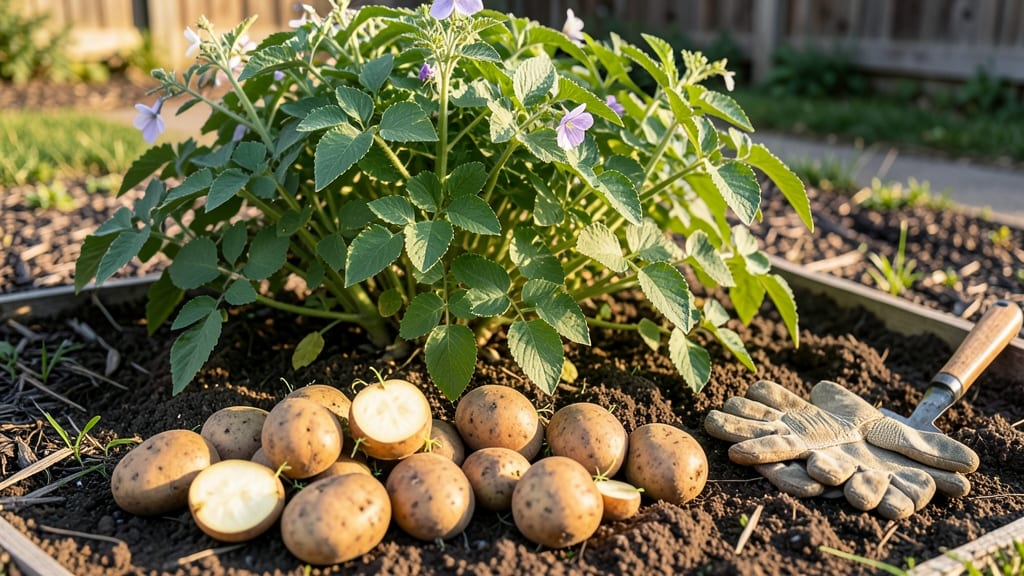
Planting potatoes in Zone 6 at the wrong time can mean the difference between a bountiful harvest and wasted effort. Unlike other crops, potatoes need precise timing—too early and frost will kill them, too late and you’ll miss peak growth. The key lies in understanding your local frost dates and soil conditions, especially in Zone 6 (General), where last frosts can vary from mid-April to early May.
Most gardeners in 6a-6b aim to plant their 🥔 seed potatoes 2-4 weeks before the last frost, but there’s more to it than just dates. Soil temperature matters just as much—potatoes won’t sprout until the ground reaches at least 45°F.
If you rush it, your tubers could rot; if you wait too long, you’ll lose precious growing days.
In this guide, I’ll break down the exact weeks to plant for your region, how to prep your soil, and even how to adjust for early vs. late varieties. Whether you’re a first-time gardener or a seasoned pro, these tips will help you avoid common mistakes and maximize your yield.
Let’s get those spuds in the ground at the perfect moment!
From chitting your seed potatoes to choosing the right depth, every detail counts. By the end, you’ll know exactly when to plant for crisp, flavorful potatoes—no guesswork, just results. Ready to dig in?
Zone 6 potato planting timeline: exact weeks before last frost for optimal growth
Potatoes thrive in Zone 6 when planted at the right time—typically 4-6 weeks before your last frost date. This window ensures tubers develop before summer heat sets in. For most of Zone 6 (like Pennsylvania or Virginia), that means planting between mid-March and early April.
But timing varies slightly by sub-zone (6a vs. 6b) and local microclimates.
Your exact planting date depends on soil temperature, not just calendar dates. Potatoes need 45-50°F soil to sprout consistently. Use a soil thermometer to confirm readiness—planting too early in cold soil delays germination and invites rot.
In colder Zone 6a areas, aim for late March to early April; in milder 6b regions, you can start as early as mid-March.
Here’s the golden rule: Plant when you can work the soil without compacting it. If it’s soggy or frozen, wait. Zone 6’s unpredictable spring weather means flexibility—some years you’ll plant in February under frost cloth, while others you’ll wait until April.
Always check your local USDA frost map for precise dates.
For a second harvest, you can plant late-season varieties in early June (70-90 days before first frost). These potatoes mature just in time for fall harvests before winter sets in. Varieties like 'Yukon Gold' or 'Kennebec' work well for this strategy.
🌱 Zone 6 Potato Planting Summary
| Stage | Action | Timeframe |
|---|---|---|
| Soil Prep | Test pH (5.0-6.5), add compost, loosen soil | 4-6 weeks before planting |
| Chitting Seed Potatoes | Expose to light for 2-3 weeks to sprout | Start 6-8 weeks before last frost |
| Planting | 4" deep, 12" apart, rows 3' apart | 4-6 weeks before last frost |
| Hilling | Mound soil around stems every 2-3 weeks | Start when plants reach 6" |
| Harvest | Dig when foliage yellows or tubers reach 2" | 70-120 days after planting |
📅 Pro Tip: Use a planting calendar for your specific city (e.g., Harrisburg, PA vs. Richmond, VA)—dates vary by 1-2 weeks!
Early varieties like 'Red Norland' or 'Early Girl' are your best bet for Zone 6’s shorter growing season. These mature in 70-90 days, giving you time to squeeze in a second crop if needed.
Late varieties like 'Russet Burbank' take 100-120 days, so plant them only if your first frost arrives after October 15.
If you’re unsure about your last frost date, use the 50% probability frost date from the USDA map. For example, in Zone 6a (e.g., Pittsburgh), the average last frost is April 20, so plant by mid-March.
In Zone 6b (e.g., Raleigh), it’s April 10, so you can start as early as late February under protection.
Don’t forget to account for soil warming. Dark-colored plastic mulch can raise soil temperatures by 5-10°F, letting you plant 1-2 weeks earlier. This is especially useful in colder Zone 6a areas where frost lingers. Just remove the mulch once plants emerge to prevent overheating.
For container growers, stick to early-maturing varieties like 'Patriot' or 'LaSoda'. These do well in 5-gallon buckets and can be planted 2-3 weeks later than in-ground potatoes, as containers warm up faster. Just ensure pots have drainage holes to prevent rot.
Finally, mark your calendar for harvest time. In Zone 6, most potatoes are ready by mid-July to early August, but late varieties may extend into September. Watch for yellowing foliage—a sure sign it’s time to dig!
How to prepare your soil and seed potatoes for Zone 6 planting success
Preparing your soil and seed potatoes properly is the foundation for a successful potato harvest in Zone 6. Start by testing your soil pH—potatoes thrive in slightly acidic soil between 5.0 and 6.5.
If your soil is too alkaline, amend it with peat moss or sulfur a few weeks before planting. Drainage is critical—potatoes rot in soggy soil, so avoid low spots where water pools.
Enrich your soil with well-aged compost or rotted manure to provide essential nutrients. Work it into the top 12 inches of soil to create loose, crumbly bedding for your tubers.
Avoid fresh manure, which can burn tender potato roots and attract pests. A balanced fertilizer (10-20-10) at planting time gives your potatoes the nitrogen they need for lush foliage.
Before planting, cut your seed potatoes into pieces, ensuring each has at least one or two eyes (the buds that sprout). Let the cut surfaces callous over for 1-2 days to prevent rot. This step is especially useful if you’re planting early and need to maximize your seed supply.
Store your seed potatoes in a cool, dark place until you’re ready to plant—never refrigerate, as it converts starches to sugars, making them sweeter and less ideal for planting.
⚠️ Warning: Avoid These Soil Pitfalls
Clay-heavy soil? Mix in sand or perlite to improve drainage. Sandy soil? Add compost or coconut coir to retain moisture. Compacted soil? Loosen it with a broadfork or garden fork to encourage root growth. Skipping soil prep often leads to poor tuber formation or disease.
For faster germination, try chitting your seed potatoes. Place them in a bright, cool spot (50-60°F) about 4-6 weeks before planting. This encourages sprouts to form, giving your potatoes a head start.
Use egg cartons or a seed tray to hold them upright—just keep them out of direct sunlight until you’re ready to plant. Early varieties benefit most from chitting, as they have a shorter growing season.
Choose your potato varieties wisely for Zone 6. Early maturing types (70-90 days), like Yukon Gold or Red Pontiac, are ideal for planting as soon as the soil is workable. Mid-season varieties (90-110 days), such as Kennebec or Russet Burbank, offer larger yields but need a longer growing season. Late varieties (110+ days) like German Butterball are best for fall planting or areas with a short season.
Once your soil is prepped and your seed potatoes are ready, it’s time to plant. Space your seed pieces 12 inches apart in rows 3 feet apart to allow for proper airflow and hilling later. Plant them 4 inches deep, with the sprouts facing up.
Water lightly after planting to settle the soil, but avoid overwatering, which can wash away soil and expose the tubers. Mulch with straw or grass clippings to retain moisture and suppress weeds.