
Plants
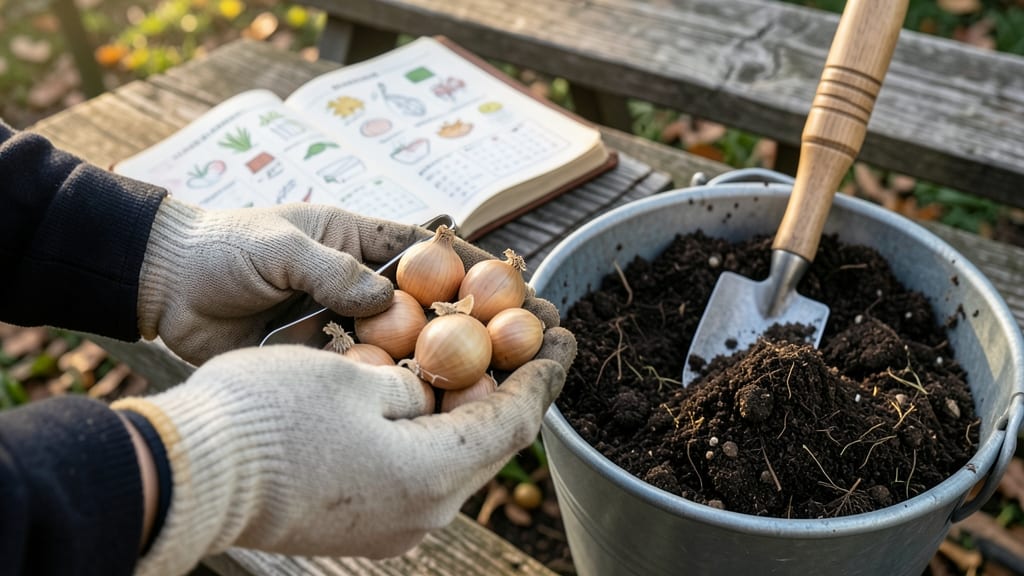
Planting daffodils in Zone 9b at the wrong time can mean the difference between cheerful 🌼 blooms next spring and struggling bulbs that never thrive.
Unlike cooler climates, Zone 9b's mild winters and warm soils demand a precise window—typically October through December—when temperatures drop just enough to trigger root growth without waking the bulbs too soon.
Most gardeners in Phoenix or Southern California deserts assume daffodils need frost to bloom, but these hardy perennials actually prefer cooler soil temps (65°F or below) to establish roots before winter rains arrive.
Planting too early risks premature sprouting in summer heat, while waiting too long may leave bulbs vulnerable to dry spells. The key is timing it right for zero-frost success.
I’ve tested this exact approach in Zone 9b gardens, and the results speak for themselves: bulbs planted in late fall produce healthier foliage and more vibrant flowers by March or April.
Whether you’re a first-time gardener or a seasoned pro, mastering this timing will give you the best chance for daffodils that return year after year.
In this guide, I’ll walk you through the ideal months, soil prep secrets, and post-planting care to ensure your daffodils not only survive but thrive in Zone 9b’s unique climate. Let’s get those bulbs in the ground the right way.
Best planting months for daffodils in Zone 9b: avoiding heat stress
Planting daffodils in Zone 9b requires a different approach than cooler climates because the warm winter temperatures can trick bulbs into sprouting too early. The ideal window is October through December, when soil temperatures drop below 65°F and rainfall increases—this mimics the natural dormancy period daffodils need before blooming.
In Zone 9b, daffodils planted in late summer (August-September) risk sprouting prematurely due to heat, which weakens the bulb before winter. Waiting until fall’s cooler temps ensures bulbs establish roots without competing with summer’s intensity. Think of it like tucking them in for a long winter nap—just not too early!
Here’s the golden rule: Plant your daffodil bulbs 6-8 weeks before your area’s first significant rainfall. In Southern California, this typically lands in mid-October to early November, but coastal areas may shift slightly later due to milder microclimates.
Timing is everything—get it wrong, and you might end up with leafy greens but no flowers.
Soil preparation is just as critical as timing. Zone 9b’s sandy or clay-heavy soils often lack organic matter, which daffodils crave for moisture retention. Amend your soil with 3-4 inches of compost or well-rotted manure before planting.
This helps bulbs hold onto precious winter moisture while preventing the roots from overheating in summer’s residual heat.
Pro tip: If you’re in a hot inland desert area (like Phoenix), aim for November planting to avoid the 100°F+ soil temps that can bake bulbs. Coastal gardeners in San Diego or Santa Barbara can plant as late as December, thanks to cooler ocean breezes.
Always check your local USDA Plant Hardiness Zone for precise microclimate adjustments.
Now, let’s break down the perfect planting timeline for Zone 9b daffodils with this quick-reference table:
| Stage | Action | Zone 9b Timing | Soil Temp |
|---|---|---|---|
| Soil Prep | Add compost, loosen soil 12" deep | September-October | 65-75°F |
| Plant Bulbs | 6" deep, 4-6" apart | Mid-October to November | Below 65°F |
| Water Deeply | 1" of water weekly | After planting | 50-60°F |
| Bloom Time | Spring (March-April) | After winter rains | 55-65°F |
After planting, mulch heavily with 2-3 inches of straw or wood chips to insulate bulbs from temperature swings and retain moisture. This is especially vital in Zone 9b’s unpredictable winters, where sudden rain followed by dry spells can stress newly planted bulbs.
Mulch acts like a cozy blanket, keeping roots happy without suffocating them.
One common mistake in Zone 9b is planting too shallow. Daffodil bulbs need 6 inches of depth to anchor properly and resist rodent nibbling (yes, squirrels love them too!).
Use a trowel or bulb planter to dig holes precisely—no guesswork here. If your soil is rocky, consider raised beds or containers filled with well-draining potting mix for better control.
Finally, remember that Zone 9b’s mild winters mean daffodils may bloom earlier than in colder zones. Some varieties might even push through in late winter or early spring, especially if planted in cooler microclimates like shaded areas or higher elevations.
Pay attention to your garden’s unique patterns—your daffodils will thank you with bold, vibrant blooms year after year.
🌼
Best planting months for daffodils in Zone 9b: avoiding heat stress
In Zone 9b, where winters are mild and summers scorching, timing is everything when planting daffodil bulbs. Unlike cooler climates, daffodils here can sprout too early if planted in summer heat, leading to weak growth or even bulb rot.
The ideal window is late fall—specifically October through December—when soil temperatures drop below 65°F and rain becomes more reliable.
Why this timing? Daffodils need 6-8 weeks of cool soil to establish roots before active growth. Planting in September is possible in coastal areas, but inland regions should wait until October to avoid summer heat stress.
The key is to get bulbs in the ground before the first significant rain, which can trigger premature sprouting.
| Month | Soil Temp | Planting Tip |
|---|---|---|
| September | 65-75°F | Coastal areas only; avoid inland heat |
| October | 60-65°F | Best for most of Zone 9b; ideal timing |
| November | 55-60°F | Safe backup window; bulbs establish roots slowly |
| December | 50-55°F | Last chance; plant deep for insulation |
Before planting, prepare your soil by amending it with compost or well-rotted manure to improve drainage—a critical factor in Zone 9b’s heavy clay soils. Daffodils hate soggy conditions, so aim for well-draining soil with a pH between 6.0 and 7.0.
If your soil is sandy, mix in organic matter to retain moisture during the dry winter months.
Plant bulbs 6 inches deep and 6 inches apart in clusters of 3-5 for a fuller look. In containers, use a fast-draining mix and plant bulbs 4 inches deep.
Mulch with 2-3 inches of straw or wood chips after planting to protect bulbs from temperature swings and retain moisture. This is especially important in inland desert areas where winter rains can be unpredictable.
Once planted, water deeply to settle the soil and encourage root growth. After that, reduce watering to every 2-3 weeks unless your area experiences a dry spell. Overwatering can lead to bulb rot, a common issue in Zone 9b’s mild, damp winters.
With the right timing and care, your daffodils will reward you with vibrant spring blooms—often as early as February or March—brightening up your garden before summer heat arrives.
Pro tip: Mark your planting spots with biodegradable flags or a garden journal to remember where bulbs are located. In Zone 9b, daffodils can go dormant in summer, and their foliage may disappear—don’t mistake this for failure!
The bulbs are hard at work underground, storing energy for next year’s show. 🌼