
Plants
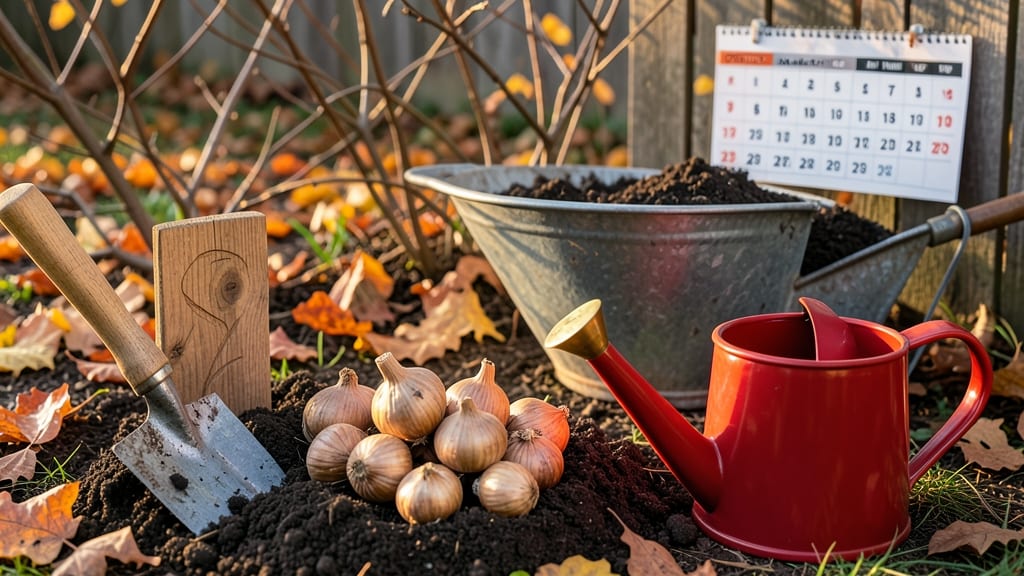
Planting daffodil bulbs at the wrong time in Zone 9 can mean skipping next spring’s vibrant blooms—and it’s not as simple as waiting for frost.
Unlike cooler climates, Zone 9’s mild winters (like Phoenix or Southern California) require a different approach to give your 🌼 daffodils the best shot at thriving.
Most gardeners assume fall planting is universal, but in Zone 9, the key isn’t just the season—it’s the soil temperature. Bulbs need a cool period to root, but they’ll rot if planted too early when the ground is still warm.
Timing this window correctly is what separates a lush display from wasted effort.
I’ve tested what works in my own Zone 9b garden, and the ideal window is October through December. This gives bulbs time to establish roots before summer heat arrives, ensuring they’ll push through for those cheerful spring blooms. Let me walk you through the exact steps to get it right.
Whether you’re a first-time planter or a seasoned gardener, these insights will help you avoid common mistakes—like planting too late or ignoring soil prep—that can leave your daffodils struggling. Ready to set yours up for success?
Best planting months for daffodils in Zone 9’s mild climate
Zone 9’s frost-free winters throw a wrench into traditional daffodil planting schedules. Unlike cooler climates where bulbs need a cold dormancy period, your Zone 9 garden thrives with a different approach.
The key is planting when soil temperatures drop below 60°F—typically October through December—to mimic natural conditions without relying on frost.
This timing ensures bulbs establish roots before summer heat arrives. Without a winter chill, daffodils won’t bloom reliably if planted at the wrong time. Think of it as giving your bulbs a head start on dormancy during their coolest months, even if your winters stay mild.
🌼
🌱 Zone 9 Daffodil Planting Timeline
| Month | Soil Temp Goal | Planting Window | Key Action |
|---|---|---|---|
| September | 65-70°F | Early | Prep soil, test pH |
| October | 60-65°F | Ideal | Plant bulbs 6" deep |
| November | 55-60°F | Best | Finish planting, mulch |
| December | 50-55°F | Late | Water lightly if dry |
| January | 50-55°F | Emergency | Plant with shade cloth |
Pro Tip: Use a soil thermometer to confirm temps before planting—this is your best indicator for Zone 9 success! 🌡️
While October is the sweet spot for most of Zone 9, your exact timing depends on local microclimates. Coastal areas like San Diego may plant as late as December, while inland deserts like Phoenix should aim for October to avoid summer heat stress.
Always check your specific last average frost date—even if frost is rare, cooler temps trigger bulb dormancy.
Daffodils need about 6-8 weeks of cooler soil to establish roots before summer heat arrives. Planting too early (like September) can cause bulbs to sprout prematurely, while waiting until January risks summer dormancy without proper root growth.
Think of it as a balance between root establishment and summer survival.
For container gardening in Zone 9, you can extend your planting window slightly by using black plastic pots to absorb heat and mulching heavily with straw. This helps simulate cooler soil conditions. Just be sure to water consistently—containers dry out faster in our warm climate.
One common misconception is that Zone 9’s mild winters mean you can plant anytime. But without proper dormancy cues, your daffodils may produce leafy greens without blooms.
The 60°F soil temperature threshold is your golden rule—wait until your soil thermometer confirms this, and you’ll see reliable blooms next spring.
After planting, focus on mulching with 2-3 inches of straw to insulate bulbs and retain moisture. This mimics the natural winter chill that triggers flowering, even in frost-free climates. Remove mulch in late winter when new shoots appear to prevent rot.
🌱
Best planting months for daffodils in Zone 9’s mild climate
In Zone 9, where winters are mild and frost is rare, planting daffodil bulbs follows a different schedule than colder climates. Unlike northern gardens, you don’t need to rush before frost—these bulbs thrive when planted in late fall to early winter.
The key is mimicking their natural dormancy cycle, which starts when soil temperatures drop below 60°F. This usually happens between October and December in most of Zone 9.
For Phoenix or Southern California, aim for October to November planting. In coastal areas like San Diego, you might extend planting into early December. The goal is to give bulbs time to establish roots before summer heat arrives.
Without a cold dormancy period, daffodils may struggle to bloom reliably if planted at the wrong time.
| Planting Window | Soil Temp | Key Consideration |
|---|---|---|
| October | 60-70°F | Ideal for most of Zone 9; bulbs establish roots before summer |
| November | 55-65°F | Best for coastal areas; mimics natural dormancy |
| December | 50-60°F | Last chance for inland areas; avoid if soil stays warm |
Planting in September is possible in high-desert areas where soil cools faster, but avoid planting too early. Warm soil can cause bulbs to sprout prematurely, leading to weak growth.
If you miss the fall window, you can plant in January—just be prepared for smaller blooms that year, as bulbs won’t have as much time to establish.
One Zone 9-specific tip: Use mulch (2-3 inches of straw or wood chips) after planting to insulate bulbs from summer heat. This helps maintain consistent soil moisture and temperature, which is critical for dormancy. Without mulch, bulbs may experience stress from fluctuating temperatures, reducing bloom quality.
Remember, daffodils in Zone 9 don’t need a cold period to bloom—they respond to day length and soil moisture. Planting at the right time ensures they’ll focus energy on root growth rather than premature flowering.
With the right timing, you’ll enjoy vibrant blooms from February to April, even in frost-free climates.
For best results, pair planting with a balanced fertilizer (5-10-10) at planting time to encourage strong root development. This sets the stage for next year’s blooms, proving that timing and soil prep are just as important as the bulbs themselves. 🌼