
Plants
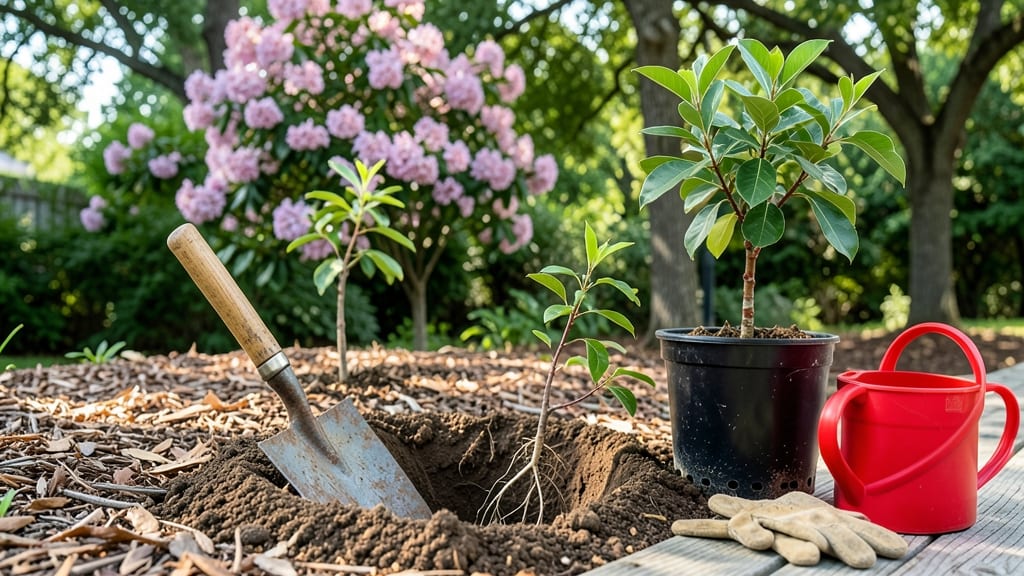
Planting your crape myrtle 🌸 at the wrong time in Texas could mean watching it struggle through brutal summer heat instead of thriving—so let’s get this timing right. The key is understanding your local frost-free dates, because Texas’ 8a-10b zones behave differently from north to south.
Most gardeners in Texas plant crape myrtles between February and March, but the exact window depends on whether you’re in North Texas (where late frosts linger) or South Texas (where heat arrives early).
I’ll show you how to check soil temperatures and local microclimates to pick the perfect moment for your specific heat zone.
Once you’ve nailed the timing, we’ll cover how to prep your soil for Texas’ intense summers—because even the hardiest crape myrtles need the right foundation. Whether you’re in a suburban yard or an urban container, these steps will help your plant establish strong roots before the real heat hits.
Ready to transform your landscape with a crape myrtle that blooms reliably year after year? Let’s dive into the exact planting schedule that works for your corner of Texas, so you can enjoy those stunning summer flowers without the guesswork.
Texas heat-Zone planting calendar for crape myrtle success
Texas’ diverse climate—from North Texas’ chilly winters to South Texas’ year-round heat—means crape myrtle planting windows vary wildly. The key is planting when soil temperatures stay above 60°F and frost risk drops to zero.
In USDA Zones 8a-10b, this typically falls between late February and early April, but your exact timing depends on your local heat zone.
For example, North Texas gardeners (Zone 8a) should wait until mid-March when the last frost date has passed, while Houston and Austin (Zone 8b-9a) can plant as early as late February.
Meanwhile, South Texas (Zone 9b-10b) has a longer window, often starting in January—but even there, avoid planting during summer heatwaves when roots struggle to establish.
Here’s the golden rule: Plant crape myrtle 4-6 weeks before your area’s average last frost date. This gives roots time to anchor before summer’s brutal heat arrives. For instance, if your last frost is March 15, aim for planting in early February.
Another critical factor is soil temperature. Use a soil thermometer to confirm it’s consistently above 60°F at a 4-inch depth. Cold soil slows root growth, making young crape myrtles vulnerable to stress and disease.
In East Texas’ humidity or West Texas’ dry heat, this timing shifts slightly—always adjust for local microclimates.
| Texas Heat Zone | USDA Zone | Last Frost Date | Ideal Planting Window | Soil Temp Requirement |
|---|---|---|---|---|
| North Texas | 8a | February 15 - March 1 | Mid-March to early April | 60°F+ (4" depth) |
| Central Texas | 8b-9a | January 15 - February 15 | Late February to March | 60°F+ (4" depth) |
| East Texas | 8a-9b | January 1 - February 10 | Early February to March | 58°F+ (4" depth) |
| South Texas | 9b-10b | December 15 - January 15 | January to early February | 62°F+ (4" depth) |
| West Texas |
Signs your Texas location is ready for crape myrtle plantingBefore you dig that hole for your crape myrtle 🌸, check these 5 key signs that your Texas location is truly ready. Skipping these steps can leave your plant struggling under summer heat or winter chills. The first clue? Soil temperature—it’s the most critical factor for root establishment in Texas’ unpredictable climate. Start by testing your soil moisture at a 4-inch depth. If the soil feels dry but not bone-dry, your crape myrtle’s roots will thrive. In North Texas’ clay-heavy soils, this might mean waiting until mid-April when spring rains have softened the ground. Meanwhile, South Texas gardeners can plant earlier when soils warm up faster. Next, monitor your local microclimate. Urban areas like Dallas or Houston create heat islands where pavement retains heat, making soil warm up 2-3 weeks earlier than rural zones. Use a soil thermometer to confirm temps stay above 60°F for 3+ days—this is your green light to plant. Watch for new leaf growth on existing trees like oaks or pecans. When their leaves unfurl, it signals consistent warm nights, perfect for crape myrtle roots. In East Texas’ humidity, this might happen by late February, while West Texas’ dry air delays it until April. Listen to your local weather patterns. If your area has had 3 consecutive nights above 55°F, frost risk is minimal. Check the National Weather Service for your county’s frost-free probability—aim for 90%+ certainty before planting. Even in Zone 10b, late winter cold snaps can damage tender roots. Finally, observe crape myrtle blooms in nearby landscapes. If you see buds swelling on established plants, it’s your cue that spring’s active growth phase has begun—ideal timing for your new transplant. In Central Texas, this usually aligns with late March, while North Texas sees it in early April. Pro tip: If you’re in a coastal area like Galveston, add 1-2 extra weeks to your planting window due to delayed soil warming from ocean breezes. These small adjustments make all the difference for Texas’ finicky climate.
Remember: Texas’ climate varies by just 50 miles, so always verify with your local AgriLife Extension office. Their frost maps and soil reports are gold for crape myrtle success. Once you’ve checked these signs, you’re ready to plant with confidence—your future summer-blooming beauty will thank you! |