
Plants
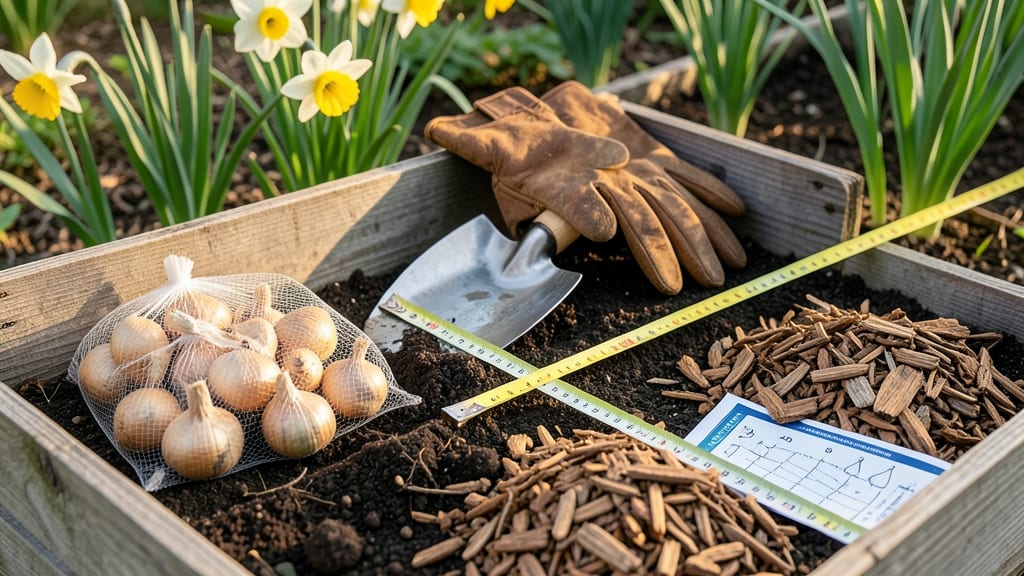
Timing your daffodil planting in North Carolina could mean the difference between vibrant spring blooms and a missed opportunity—especially when you want bulbs that thrive without frost damage. The ideal window is short but critical, and getting it wrong can leave your 🌼 struggling to survive the winter.
Most gardeners in zones 6b-8a know fall is the only time to plant, but the exact month matters more than you might think. Plant too early, and your bulbs could sprout before the ground freezes; too late, and they won’t root deeply enough.
The sweet spot? October or early November, when soil temperatures drop but frost hasn’t yet arrived.
Don’t let the uncertainty of North Carolina’s variable climate stress you out. With the right preparation—like choosing hardy varieties and adjusting for your specific frost dates—you can set your daffodils up for success.
I’ll walk you through the exact steps to time your planting perfectly, so you’re rewarded with early spring color year after year.
Ready to avoid common mistakes and ensure your daffodils bloom like clockwork? Let’s dive into the best months, soil prep tips, and post-planting care that’ll give you the edge. Your future spring garden starts now.
Best months to plant daffodils in NC for frost-free growth
North Carolina’s USDA Zones 6b-8a create a unique challenge for daffodil growers—too early, and bulbs may rot; too late, and they won’t establish roots before winter.
The ideal window is October through November, when soil temps drop to 50-60°F but haven’t frozen yet. This timing ensures roots grow before winter dormancy.
For Zone 6b (mountains), aim for mid-October planting—Zone 8a (coastal) can extend until early December. The key is planting 4-6 weeks before ground freeze, which in NC typically hits mid-November to early December. Use your local Almanac frost dates as your guide.
Daffodils thrive when planted in well-draining soil with 6+ hours of sun. In NC’s clay-heavy soils, amend with compost or sand to prevent waterlogging. The best varieties for NC’s climate include 'Ice Follies' (frost-resistant) and 'Tête-à-Tête' (compact and hardy).
| Region | USDA Zone | Best Planting Month | Soil Prep Tip |
|---|---|---|---|
| Mountains (Asheville) | 6b | Mid-October | Add compost to improve drainage |
| Piedmont (Raleigh) | 7a | Late October | Test pH (6.0-7.0 ideal) |
| Coastal (Wilmington) | 8a | Early December | Mix sand for loose soil |
🌱 Pro Tip: Plant bulbs 6 inches deep and 6 inches apart for optimal airflow.
If you miss the October-November window, you can plant daffodils in early December in Zone 8a, but expect smaller blooms the first year. For late plantings, use mulch (3-4 inches) to insulate bulbs from freeze-thaw cycles.
Avoid planting after January 1, as roots won’t have time to establish before spring growth.
Daffodils planted in fall need minimal winter care. Once planted, water deeply once (unless rain occurs) and leave foliage until yellow after blooming to feed the bulb. In Zone 6b, protect new plantings with straw mulch if winters are harsh. This ensures stronger roots for next year’s blooms.
For container gardening, plant daffodils in fall using well-draining pots with bulb-specific mix. Keep containers in a sheltered spot (like a garage) during freezing temps below 20°F. Move pots back outside in early spring once soil warms to 50°F.
One common mistake in NC is planting too shallow. Daffodils need 6 inches of soil cover to protect against voles and frost heave. Use a trowel to mark planting depth if your soil is loose.
In heavy clay, plant 8 inches deep to prevent rot. Always plant pointy end up—this ensures proper root growth.
After planting, fertilize lightly in early spring (March) with a balanced 5-10-10 to encourage blooming. Avoid high-nitrogen fertilizers, which promote leafy growth over flowers. In Zone 7a and warmer, daffodils may bloom earlier (February-March), while Zone 6b varieties often wait until April.
If you’re new to daffodils, start with 5-10 bulbs in a sunny border. They’re perennial, so once established, they’ll return yearly with minimal care.
For longer blooming seasons, plant early and late varieties together—like 'February Gold' (early) and 'Thalia' (late). This creates a 3-4 week display of color.
Remember: Daffodils are deer-resistant, making them a great choice for NC gardens where deer browse. Their toxic sap deters herbivores, so you won’t need extra protection. Once your bulbs are planted, sit back and enjoy the low-maintenance beauty they’ll bring to your spring garden! 🌼
Best months to plant daffodils in NC for frost-free growth
North Carolina’s USDA zones 6b-8a create a unique challenge for daffodil growers—plant too early, and bulbs may rot in warm soils; too late, and they won’t establish roots before winter.
The ideal window is 4-6 weeks before your region’s first frost, which typically falls between mid-October and mid-November across most of the state.
For example, in western NC (zone 6b), aim for early October planting when soil temps drop below 60°F. In coastal areas (zone 8a), wait until late November to avoid the mild, wet soils that encourage bulb rot.
This timing ensures roots develop before ground freezes but avoids spring blooms that might get nipped by late frosts.
| Region | USDA Zone | Best Planting Window | Soil Temp Goal |
|---|---|---|---|
| Western NC (Asheville) | 6b | Early October | Below 60°F |
| Central NC (Raleigh) | 7b | Mid-October | Below 55°F |
| Eastern NC (Wilmington) | 8a | Late November | Below 65°F |
Pro tip: Use a soil thermometer to confirm temps—daffodil bulbs need consistent coolth (below 65°F) to trigger root growth. If your soil stays warm past mid-November, hold off planting until temps drop naturally or use shade cloth to cool the bed.
For extra insurance, plant hardy varieties like 'Ice Follies' (zone 3) in late Novemberlight frost hits shortly after planting. Just avoid December plantings, as bulbs won’t have time to root before winter dormancy sets in.
Once planted, mulch with 2-3 inches of straw to protect bulbs from freeze-thaw cycles and insulate roots during NC’s unpredictable winters. Remove mulch in early spring (February) to allow soil to warm for blooming.
Remember: Early plantings (September) risk rot in warm soils, while late plantings (December) may fail to establish roots before frost. October-November strikes the perfect balance for NC’s variable climate—just adjust based on your microclimate! 🌼