
Companion Plants
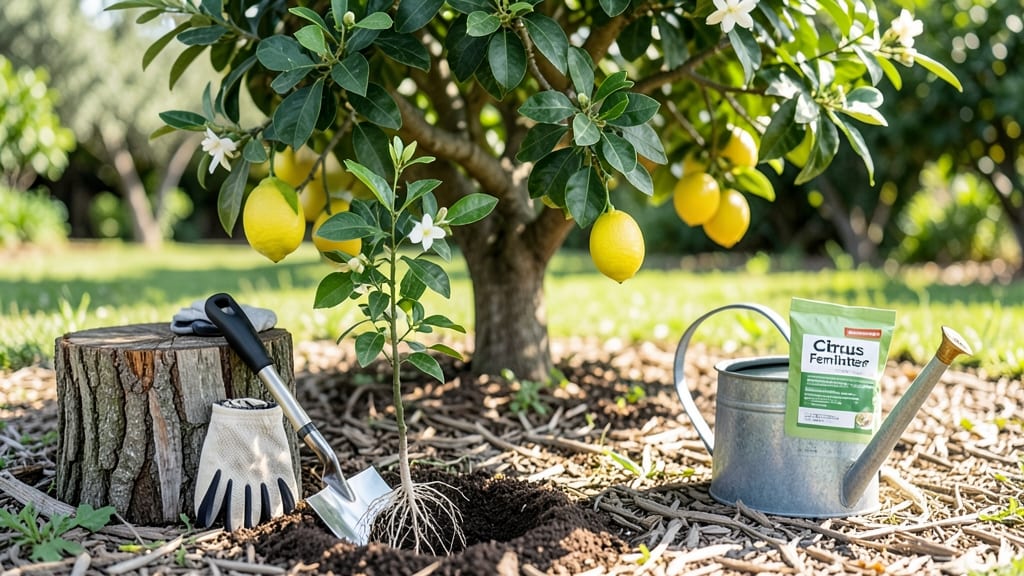
Planting a lemon tree in California at the best time to plant a lemon tree in California can mean the difference between a thriving citrus grove and a sad, frost-bitten sapling—but most gardeners miss the best window by weeks.
The key isn’t just waiting for spring; it’s understanding how your specific zone’s frost dates and soil warmth dictate success.
If you’re in coastal areas like San Diego (Zone 10), you’ve got more flexibility than inland spots near Sacramento (Zone 7), where even a late frost can wipe out your investment.
I’ve seen firsthand how a 2-week timing difference can mean the difference between a tree that bears fruit and one that struggles just to survive.
What you’re about to discover are the exact months to plant by zone, plus pro tips for preparing soil, choosing the right location, and even container planting hacks that work in California’s diverse climates.
Whether you’re a first-time gardener or a citrus veteran, these insights will help you avoid costly mistakes.
Let’s dive into the science-backed planting schedule that’ll give your lemon tree the strongest start—no guesswork, just results. You’ll learn why November in the south and March in the north are your golden windows, and how to protect your tree from California’s tricky microclimates.
California’s ideal lemon tree planting months by USDA hardiness Zone (avoid frost risk)
California’s diverse climate means your lemon tree’s planting window depends on where you live. In USDA Zones 9-11, frost risk varies dramatically—from rare coastal areas to occasional inland chills.
The best time to plant is when soil temperatures stay above 60°F (15°C) and nighttime lows exceed 50°F (10°C). This ensures strong root establishment before summer heat arrives.
For Zone 9 (e.g., Los Angeles, San Diego), your window opens in late February to early April. Inland areas like Zone 10 (e.g., Riverside, Palm Springs) can start as early as January, while Zone 11 (e.g., Death Valley) has no frost risk year-round—but spring still offers ideal conditions.
Container planting extends your window by 2-4 weeks since pots warm faster.
🌱 Pro Tip: Use a soil thermometer to confirm 60°F+ soil temps before planting. Cold soil slows root growth and invites rot.
| Zone | Ideal Planting Window | Soil Temp Requirement | Frost Risk Period | Container Adjustment |
|---|---|---|---|---|
| 9 (Coastal) | Late Feb - Early April | 60°F+ (15°C+) | Dec-Feb (rare) | +2 weeks |
| 9 (Inland) | March - Early May | 60°F+ (15°C+) | Jan-Mar (occasional) | +3 weeks |
| 10 (All) | January - March | 60°F+ (15°C+) | None (coastal) or rare (inland) | +1 week |
| 11 (All) | Year-round (spring preferred) | 60°F+ (15°C+) | None | N/A |
Inland Zone 9 areas like Bakersfield or Fresno face higher frost risk, so aim for March-April planting to avoid late-winter chills. Coastal Zone 9 (e.g., Santa Barbara) can plant as early as February thanks to milder nights.
Always check your local National Weather Service frost dates—some inland valleys dip below 32°F (0°C) even in Zone 10.
🌡️ Key Stat: Lemon trees need 3-4 weeks of 60°F+ soil to establish roots before summer heat arrives. Planting too early in cold soil invites root rot.
For container planting, adjust your timeline by 2-4 weeks earlier. Pots heat up faster than ground soil, giving you a head start. Just ensure your container has drainage holes and use a well-draining cactus/succulent mix to prevent soggy roots.
Move containers indoors or to a sheltered spot if nighttime temps drop below 45°F (7°C).
💡 Expert Hack: Bury your container’s saucer halfway underground for Zone 9-10 growers. This stabilizes the tree and mimics in-ground soil temps.
If you miss the spring window, fall planting is possible in Zones 10-11 (September-October), but avoid planting when days shorten below 10 hours of sunlight. In Zone 9, fall planting risks frost before roots establish—stick to spring only.
☀️ Sunlight Check: Choose a spot with 8+ hours of sun daily. Lemon trees in partial shade produce smaller fruit and fewer blooms.
How to prepare your lemon tree for California’s microclimates (heat, wind, and soil challenges)
California’s diverse climate—from coastal fog to inland desert heat—means your lemon tree’s success hinges on preparation. Coastal areas like San Diego (Zone 10) face chilly winds and salt spray, while inland zones (Zone 9) battle intense summer heat and drought stress.
Choosing the right variety and site can mean the difference between a thriving tree and a struggling one.
Start by selecting a drought-tolerant variety like ‘Meyer’ lemon for inland zones or ‘Eureka’ lemon for coastal resilience. Both thrive in California’s conditions but require wind protection and well-draining soil. Avoid planting in low-lying areas where cold air pools—even in Zone 10, unexpected frosts can occur.
🌱 Visual Guide: Coastal vs. Inland Lemon Tree Care 🌱
- Milder winters – Less frost risk
- Higher humidity – Reduces drought stress
- Windbreaks natural – Ocean acts as buffer
- Salt spray damage – Corrodes leaves
- Fog-prone – Can cause fungal issues
- Limited sun – Afternoon shade common
- More sunlight – Faster growth
- Warmer soil – Better root establishment
- Less humidity – Fewer pests
- Extreme heat – Risk of sunburn
- Wind exposure – Needs protection
- Drought-prone – Requires irrigation
For coastal plantings, amend soil with compost and sand to improve drainage and reduce salt buildup. Inland zones benefit from mulching with wood chips to retain moisture and regulate soil temperature. Both environments need full sun exposure—aim for 6+ hours daily, even in foggy areas.
Wind is a silent killer for lemon trees. Install a windbreak fence or plant tall shrubs like oleander as natural barriers. Inland zones should avoid open, exposed sites—opt for south-facing walls to maximize warmth.
If planting in containers, use large pots (15+ gallons) with drainage holes and move them indoors during winter if temperatures drop below 40°F.
Post-planting, focus on consistent watering but avoid soggy soil. Deep watering once weekly (10-15 gallons) is ideal, but reduce frequency in winter. Fertilize lightly in spring and fall with a 10-10-10 NPK blend to encourage fruiting.
Prune in late winter to remove dead wood and shape the tree, but avoid heavy pruning in summer when heat stress peaks.
California’s microclimates reward those who adapt. With the right site prep, wind protection, and water management, your lemon tree will thrive year-round—yielding juicy fruit by year 3 or 4. 🌿