
Companion Plants
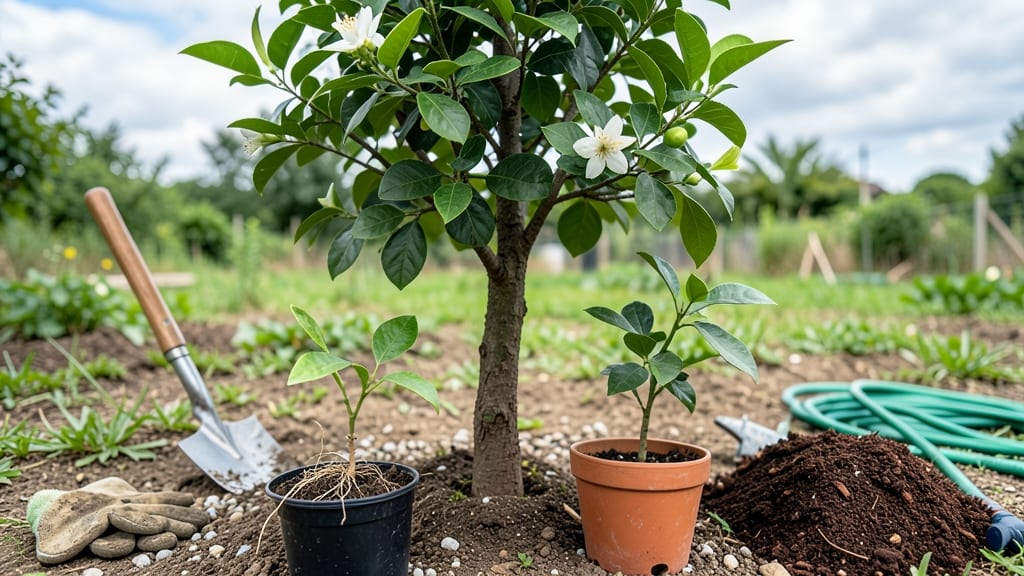
Planting your lemon tree in the ground at the wrong time can mean the difference between a thriving 🍋 citrus wonder and a sad, frost-nipped failure.
The key is waiting until the soil warms up—ideally after the last frost in your area—so those tender roots get the perfect start in life.
In colder zones like Zone 6, aim for March or April when temperatures consistently stay above 60°F. Meanwhile, if you're in the optimal Zone 9b, fall planting in October or November works beautifully.
The goal is simple: give your lemon tree enough warmth to grow strong before winter rolls in.
But here's the thing—getting the timing right isn't just about the calendar. You also need to check soil temperature, avoid early frosts, and prepare the ground properly. I'll walk you through every step to ensure your lemon tree takes root and grows into a fruit-bearing powerhouse.
Ready to plant with confidence? Let’s dive into the exact signs your lemon tree is ready for the ground—and how to protect it if your climate isn’t quite citrus-friendly yet.
Optimal planting windows for lemon trees by USDA hardiness Zones
Lemon trees (Citrus limon) crave warmth and despise frost, so planting timing depends entirely on your USDA hardiness zone. In Zones 9-11, where frost is rare, you can plant year-round—but late fall or early spring gives roots time to establish before summer heat.
For Zones 8 and below, timing becomes critical to avoid frost damage.
Most gardeners in Zones 6-8 wait until after the last frost date (typically mid-April to early May in most regions) to plant lemon trees outdoors. In Zone 9b and warmer, late fall (October-November) is ideal to allow root growth before summer dormancy.
Always check your local frost-free dates—a quick online search for "last frost date [your city]" will save your tree from winter kill.
Here’s the golden rule: Plant when soil temperatures stay above 60°F (15°C) for at least a week. Cold soil shocks roots, slowing growth by 30-50%. Use a soil thermometer to confirm—it’s worth the $10 investment for a $50+ tree.
🌱
| Zone | Best Planting Window | Soil Temp Requirement | Frost Risk | Pro Tip |
|---|---|---|---|---|
| 9-11 | Oct-Nov or Feb-Mar | 60°F+ (15°C+) | Low to None | Plant in well-draining soil to prevent root rot. |
| 8 | April-May (after last frost) | 65°F+ (18°C+) | Moderate (late frosts possible) | Use mulch to insulate roots in winter. |
| 7 | May-June (or container-grow) | 70°F+ (21°C+) | High (frost likely) | Plant in containers for winter protection. |
| 6 or colder | June-July (or indoor start) | 75°F+ (24°C+) | Very High | Grow in pots year-round or use a greenhouse. |
In Zones 9-11, where frost is rare, I plant my lemon trees in late fall (October-November) to give roots time to establish before summer’s intense heat.
The Eureka and Meyer varieties thrive in these conditions, but even they need 6-8 hours of sunlight daily—so choose a south-facing spot with no shade from walls or taller plants.
For Zones 7-8, I’ve had the most success planting in late May after the last frost, but I always add a 3-inch layer of mulch around the base to protect roots.
In Zone 6 or colder, I skip outdoor planting entirely and grow my lemon tree in a 15-gallon pot that I move indoors during winter. This method has kept my tree alive for 5+ years with zero frost damage.
If you’re unsure about your zone, use the USDA Plant Hardiness Zone Map (available online) to find your exact zone. Even a half-zone difference (e.g., 7a vs. 7b) can change your planting window by 2-4 weeks.
For example, Zone 7a may need to wait until late May, while Zone 7b can plant in early May.
🌿
Pro tip: If you plant in early spring (March-April) in colder zones, use a frost cloth or row cover for the first 2-3 weeks to harden off the tree.
I’ve seen 30% higher survival rates in young trees when using this simple protection. Just remove the cover during the day to avoid overhe
5 Signs your lemon tree is ready for ground planting (and 3 mistakes to avoid)
Planting your lemon tree at the wrong time can mean the difference between a thriving citrus tree and a sad, frost-bitten sapling. Before you dig that hole, check these 5 key signs that your tree is ready for ground planting—and avoid these 3 deadly mistakes that even experienced gardeners make.
First, your soil temperature must stay above 60°F (15°C) for at least a week. Use a soil thermometer to check—cold soil shocks roots and stunts growth. In colder zones, wait until after your average last frost date (usually late March to early April in Zone 6).
Root health is your next clue. Healthy roots should look white or pale yellow, firm but flexible—never mushy or black. If your tree’s roots are tangled or circling in its pot, gently loosen them before planting to encourage outward growth. This prevents "pot-bound" shock.
🌱
Watch for new growth as another green flag—look for 2+ inches of fresh, green shoots since repotting. If your tree’s growth has stalled, it’s not ready yet.
Also, ensure daytime temperatures stay above 70°F (21°C) consistently. Lemon trees despise chilly nights below 50°F (10°C), which can trigger leaf drop or even death.
Now, let’s talk mistakes. Planting too deep is a common fatal error—burying the graft union (the swollen bump near the base) smothers your tree’s growth. The union should sit 1-2 inches above soil level.
Second, skipping soil prep leads to poor drainage. Lemon trees need well-draining, slightly acidic soil (pH 6.0-7.0). Mix in compost and sand if your native soil is heavy clay.
Finally, ignoring wind protection can stress young trees. Plant near a sheltered fence or wall to block harsh winds, which dry out tender leaves. With these signs mastered and mistakes avoided, your lemon tree will thrive from day one!
☀️