
Planting
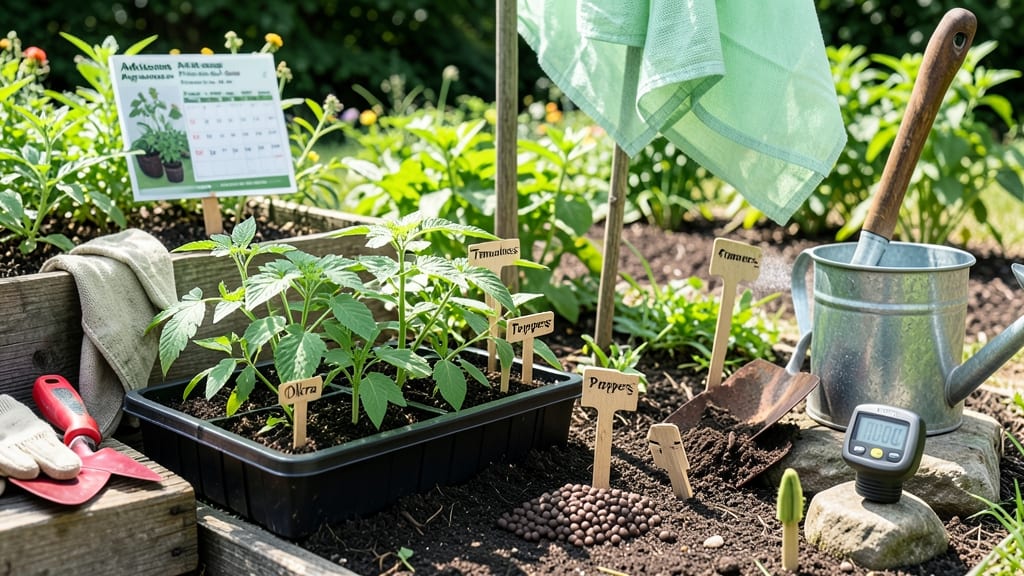
Planting your garden at the wrong time in Arkansas can mean the difference between a bountiful harvest and a sad pile of frost-bitten seedlings.
With the state’s USDA zones ranging from 7a to 8a, knowing the exact planting windows for your 🌱 General Garden Plants (Arkansas) is the key to success.
Whether you're dreaming of crisp spring lettuce or juicy summer tomatoes, timing matters—especially when Arkansas' last frost can hit as late as mid-April in some areas.
I'll show you how to align your planting schedule with the seasons, so you avoid common mistakes like starting warm-season crops too early or missing the perfect fall window.
From cool-season greens to heat-loving peppers, we’ll break down the ideal months for each plant type, including regional adjustments for the Delta versus the Ozarks. Plus, I’ll share pro tips for extending your growing season with row covers and frost protection.
Ready to turn your Arkansas garden into a thriving oasis? Let’s dive into the zone-specific planting calendar that will set you up for a season of success—no guesswork required.
Arkansas planting calendar by USDA Zone: exact months for vegetables, Flowers & herbs
Arkansas spans USDA zones 6a through 8a, meaning your planting schedule should shift depending on whether you're in the cooler Ozark Mountains (Zone 6) or the warmer Delta region (Zone 8).
The average last frost date ranges from mid-March in northern Arkansas to early February in the south, while the first frost typically arrives between mid-November and early December. These dates are your garden's golden rule for timing.
For cool-season crops like lettuce, spinach, and broccoli, start seeds 4-6 weeks before your last frost date. In Zone 6a, that means late February to early March, while Zone 8a gardeners can plant as early as mid-January.
Warm-season crops like tomatoes, peppers, and squash, however, need soil temperatures above 60°F—so wait until mid-April to early May in northern Arkansas and late March in the south.
| Plant Type | USDA Zones | Spring Planting Window | Fall Planting Window | Notes |
|---|---|---|---|---|
| Cool-Season Veggies (lettuce, spinach, broccoli) | 6a-8a | Late Feb - Early April | Mid-Aug - Early Oct | Plant 4-6 weeks before last frost |
| Warm-Season Veggies (tomatoes, peppers, squash) | 6a-8a | Mid-Apr - Early May | Late July - Early Aug | Wait for soil temps >60°F |
| Herbs (basil, cilantro, parsley) | 6a-8a | Early Mar - Late Apr | Mid-Aug - Late Sep | Basil needs warm soil; cilantro bolts in heat |
| Flowers (marigolds, zinnias, petunias) | 6a-8a | Late Mar - Early May | Late July - Early Sep | Annuals thrive in warm weather |
| Perennials (lavender, daylilies, coneflowers) | 6a-8a | Early Mar - Early Apr | Late Sep - Early Oct | Establish roots before winter |
Herbs like basil and cilantro deserve special attention. Basil hates cold soil—wait until after Memorial Day in Zone 6, or mid-April in Zone 8. Cilantro, meanwhile, bolts in summer heat, so plant it in fall for a second crop or choose heat-tolerant varieties like 'Calypso'.
For perennials, like lavender or daylilies, early spring planting gives roots time to establish before summer's intensity.
Don't overlook fall planting, which can be just as productive as spring. In Zone 6a, aim for mid-August to early October for cool-season crops, while Zone 8a gardeners have until early November.
This second planting window often yields sweeter, more tender greens because summer's heat has passed. Just be sure to cover young plants if a light frost is forecasted.
For container gardening in urban areas, adjust timing slightly. Containers heat up faster than in-ground soil, so warm-season crops can go in 1-2 weeks earlier than traditional beds. However, cool-season crops may need row covers to protect against unpredictable late frosts, especially in Zone 6.
Always check your local frost forecast—even a single night below 32°F can devastate tender seedlings.
If you're new to Arkansas gardening, start with a mix of cool- and warm-season crops to spread out your harvests. For example, plant spinach in early spring for a spring harvest, then succeed it with tomatoes once the soil warms.
This interplanting strategy maximizes your garden space and ensures a continuous supply of fresh produce from April through October.
Pro tip: Use biodegradable seed starters or pepper pots for cool-season crops in late winter. This gives you a head start and allows you to transplant after the last frost without shocking young plants.
For warm-season crops, consider raising soil temperature with black plastic mulch or row covers to jumpstart growth.
Remember, Arkansas’ humidity and summer heat can stress plants if not managed properly. Mulch heavily to retain moisture, and water deeply in the morning to reduce fungal diseases.
With these zone-specific guidelines, you’ll avoid the most common mistakes—like planting melons too early in Zone 6 or lettuce too late in Zone 8—and set your garden up for success.
How to adjust planting dates for Arkansas’ microclimates and frost risks
Arkansas’ climate varies dramatically from the humid Delta to the cooler Ozark Mountains, meaning frost dates can differ by weeks. In northern Arkansas (Zones 6a/6b), the average last frost arrives around April 15, while southern regions (Zones 7b/8a) often see frost-free conditions by March 15.
Always check your local Almanac frost forecast—Little Rock’s dates won’t match Fayetteville’s!
Microclimates matter too. A south-facing slope warms up faster than a shady valley, potentially extending your growing season by 2-3 weeks. Urban areas like Little Rock can trap heat, while rural spots may experience earlier morning frosts.
Use these tricks to adjust: plant heat-loving crops like tomatoes in raised beds, which warm up quicker, or opt for cold-hardy varieties like kale in cooler pockets.
Mistake: Planting melons or cucumbers before May 1 in Zone 6a—even if soil looks warm. These crops wilt in cold snaps below 50°F. Start with fast-maturing varieties like 'Early Golden' cucumbers if you’re eager!
Fix: Use black plastic mulch to raise soil temps by 5-10°F or grow in containers near heat sources like brick walls.
Row covers and cold frames are your best friends for early spring or late fall planting.
A simple floating row cover can push back frost by 2-4 weeks, letting you sow spinach or lettuce as early as February 15 in Zone 7a. For warm-season crops, wait until soil temps hit 60°F—use a soil thermometer to avoid guesswork.
In my garden, I’ve seen pepper seeds rot when planted too soon, even if the air feels warm.
Don’t ignore local weather patterns. If your area gets late-spring frosts (like the 2020 Easter freeze that hit Arkansas), delay planting until after April 30 for sensitive crops. Sign up for NOAA frost alerts or use apps like Farmer’s Almanac to track trends.
I once lost my tomato seedlings to a surprise frost in early May—now I wait until May 15 in Zone 6b!
For fall planting, aim to harvest before first frost (usually November 15 in Zone 7a). Fast-growing crops like bush beans or radishes work well when sown in August.
In southern Arkansas, you can even plant cool-season greens in September for a winter harvest. Just avoid heavy feeders like corn—they won’t mature in time.
Pro tip: If you’re unsure, start seeds indoors 4-6 weeks before your last frost date. This gives you flexibility to transplant outdoors once conditions improve. I’ve had great success with herbs like basil and peppers this way, especially in Zone 6a where summers are short but intense.
Just remember: patience beats perfection in Arkansas gardening!