
Companion Plants
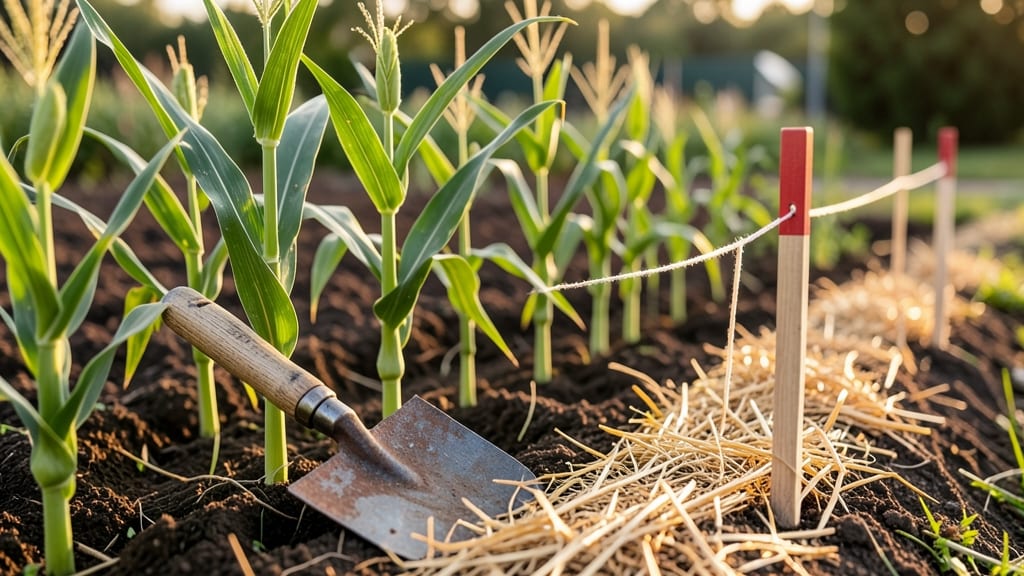
Planting corn in Tennessee isn’t just about timing—it’s about understanding your local climate’s quirks, from the cool mountain air of the Smokies to the sweltering Delta heat near Memphis. Get it wrong, and you’ll either watch your seeds rot in cold soil or struggle with drought-stressed stalks before harvest.
The key? Knowing when your soil warms to 60°F and aligning it with your county’s last-frost date.
Most Tennessee gardeners wait until mid-April to early June to plant 🌽, but that window shifts dramatically depending on whether you’re in USDA zone 6a (like Knoxville) or 8a (like Nashville). In the highlands, frost can linger into May, while the western plains might already be baking by April.
That’s why I’ve broken down the exact dates—and adjustments—you need to avoid common pitfalls like stunted growth or ear rot.
You’ll also discover how to pre-sprout seeds for cooler areas, which varieties thrive in your microclimate, and when to switch to succession planting for a continuous harvest.
Whether you’re growing sweet corn for summer meals or dent corn for fall storage, these insights will help you maximize your yield without guessing.
Ready to stop second-guessing your planting schedule? Let’s dive into the region-specific rules that separate a thriving corn patch from a disappointing one.
Tennessee corn planting dates by USDA heat Zone (soil temp & frost-free rules)
Tennessee’s USDA heat zones 6a–8a create dramatic differences in corn planting windows. In East Tennessee (Zone 6a), like Sevier County, you’ll plant by May 1 to avoid late frosts, while West Tennessee (Zone 8a), like Shelby County, allows planting as early as mid-April.
The key factor? Soil temperature—corn seeds need 50°F+ to germinate, but ideal growth starts at 60°F+.
Most Tennessee gardeners aim for mid-April to early June planting, but your exact window depends on last frost dates and variety maturity. Early-season varieties (like Silver Queen) can handle cooler soils, while late-season types (like Black Mexican) need warmer conditions.
Always check your local frost-free average—Nashville’s is March 15, but Memphis’ is March 1.
🌽
| USDA Zone | County Examples | Planting Window | Soil Temp Threshold | Best Varieties |
|---|---|---|---|---|
| 6a | Sevier, Sullivan, Unicoi | May 1–15 | 60°F+ (wait for last frost) | Silver Queen, Country Gentleman |
| 6b | Anderson, Knox, Hamblen | April 20–May 10 | 55°F+ (use black plastic mulch) | Peaches & Cream, Golden Bantam |
| 7a | Davidson, Williamson, Wilson | April 10–25 | 50°F+ (pre-sprout seeds) | Ambrosia, Bodacious |
| 7b | Shelby, Fayette, Tipton | March 25–April 15 | 55°F+ (early planting) | Peaches & Cream, Honey & Pearl |
| 8a | Shelby, Tipton, Dyer | March 15–April 5 | 60°F+ (soil warms fast) | Black Mexican, Golden Cross Bantam |
For Zone 6a gardeners, I recommend pre-sprouting seeds indoors (6–8 days before planting) to jumpstart growth. Place seeds in a damp paper towel, keep at 70°F, and transplant once sprouts are 1/2-inch tall.
This trick adds 10–14 days to your effective growing season—critical in cooler areas like Johnson City.
In Zone 8a, where soil warms quickly, focus on succession planting every 2 weeks from March to June. This ensures a steady harvest through October. Use black plastic mulch to raise soil temps 5–10°F faster, which is especially helpful for late-March plantings in Memphis.
Pro tip: Test your soil’s moisture retention before planting. Sandy soils in West Tennessee dry out fast, while clay soils in East Tennessee can stay too wet. Amend with compost or peat moss to balance drainage and moisture.
💧
If you’re unsure about your last frost date, use frost-sensitive plants like petunias as a test. Plant them 2 weeks before your target corn date—if they survive, your soil is likely warm enough.
For sweet corn, aim for 70–80 days to harvest, while dent corn varieties can stretch to 100+ days.
Always stagger plantings by 1–2 weeks to extend your harvest. In Nashville (Zone 7a), I plant 3 batches: early April 10, mid April 25, and late May 10. This ensures ears ready from July through September.
☀️
How to adjust corn planting for Tennessee’s microclimates (highlands vs. Delta)
Tennessee’s geography creates dramatic differences in growing seasons—East Tennessee’s mountains can have 150-day corn windows, while West Tennessee’s Delta stretches to 210 days. If you plant sweet corn in Sevier County too late, you’ll miss harvest by September.
But in Shelby County, early April plantings might face heat stress. Let’s break down the adjustments you need.
Start by checking your elevation and last-frost date. High-elevation areas like Gatlinburg (Zone 6a) need early-maturing varieties (60–70 days to harvest), while lowland Memphis (Zone 8a) can handle late-season dent corn (110+ days).
For example, ‘Silver Queen’ sweet corn thrives in cooler zones, while ‘Peaches and Cream’ works in warmer areas.
| Region | Planting Window | Ideal Variety | Soil Prep Tip |
|---|---|---|---|
| East TN (Highlands) | Mid-April to late May | ‘Silver Queen’ (70 days) | Add compost to cold soils |
| Middle TN (Nashville) | Early April to early June | ‘Peaches and Cream’ (85 days) | Test pH (6.0–6.8) |
| West TN (Delta) | Late March to mid-June | ‘Country Gentleman’ (110 days) | Drain heavy clay soils |
For highland areas, pre-sprout seeds indoors (60°F+ soil) to jumpstart growth. Use black plastic mulch to warm soil faster—this can shave 10–14 days off your season. In West Tennessee, focus on drought-resistant varieties like ‘Bodacious’ and plant near water sources to avoid stress during July heat.
Soil drainage is critical in Tennessee’s varied terrain. In low-lying areas, raised beds prevent waterlogging, while mountain slopes may need terracing to retain moisture. Test your soil’s organic matter—aim for 3–5% for optimal corn growth. If your soil is sandy (common in West TN), mix in compost to improve water retention.
Don’t forget companion planting! Pair corn with beans (nitrogen-fixing) or squash (shade for roots) to boost yields. Avoid planting near tomatoes—they compete for nutrients and attract the same pests. For succession planting, stagger seeds every 2 weeks in May to extend your harvest through September.
Finally, monitor weather forecasts in late spring. A late frost in Knoxville (Zone 7a) can devastate early plantings, while Memphis (Zone 8a) might face heat stress if planted too early. Adjust your schedule based on 10-day forecasts—flexibility is key in Tennessee’s unpredictable climate. 🌡️