
Plants
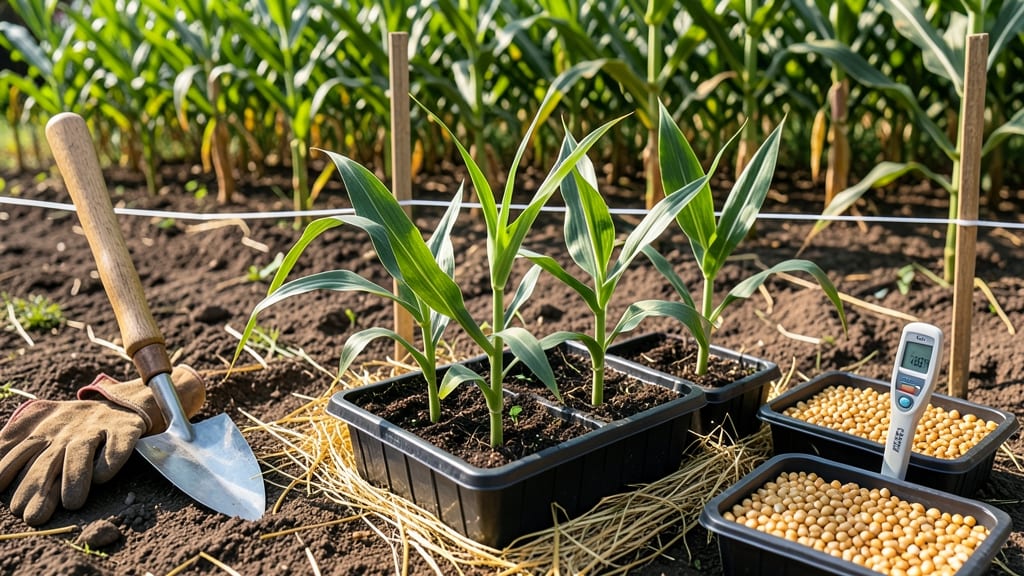
To plant corn in New Mexico without risking frost damage or stunted growth, timing is everything—especially when dealing with USDA zones 6-8 and unpredictable desert heat. One wrong move, and your 🌽 could bolt too early or wilt before reaching maturity.
Most gardeners in New Mexico wait until mid-April to mid-June after the last frost, but the real secret lies in soil temperature—not just calendar dates.
If you plant too soon, your seeds may rot in cold soil; too late, and the summer heat will stress young plants before they establish roots.
I’ve learned the hard way that heat-tolerant varieties like 'Pawnee' or 'Black Aztec' thrive when planted after soil reaches 60°F, and that’s where local microclimates make all the difference.
Whether you’re in Albuquerque’s high desert or Las Cruces’ lower elevations, these adjustments could mean the difference between a bountiful harvest and wasted effort.
Let’s break down the exact windows, soil cues, and variety choices that work in New Mexico’s climate—so you can plant with confidence and avoid common mistakes that derail even the most eager gardeners.
New Mexico corn planting Zones: when to start based on heat Zones
New Mexico’s high desert climate creates unique challenges for corn growers, where elevation shifts and microclimates drastically alter planting windows. Unlike coastal regions, our USDA zones 5-9 experience rapid temperature swings—so timing is everything.
Plant too early, and a late frost will kill seedlings; wait too long, and scorching heat stunts growth before harvest.
Most gardeners in Albuquerque (Zone 7a) and Santa Fe (Zone 6b) should wait until mid-April to early May after the last average frost date (typically March 15–April 1). Meanwhile, Las Cruces (Zone 8a) can plant as early as late March, thanks to its lower elevation and warmer nights.
Even within cities, valleys like the Rio Grande can be 5–10°F warmer than nearby mesas.
Here’s how to pinpoint your local planting window using heat zones, elevation, and frost data:
| Region | USDA Zone | Avg. Last Frost | Planting Window | Soil Temp Goal |
|---|---|---|---|---|
| Northern NM (e.g., Farmington) | Zone 6a | April 15 | Late April–May 10 | 60°F+ (15°C) |
| Albuquerque/Santa Fe | Zone 7a/6b | March 20–April 5 | Mid-April–May 15 | 60°F+ (15°C) |
| Southern NM (e.g., Las Cruces) | Zone 8a | March 1–15 | Late March–April 30 | 55°F+ (13°C) |
| High Elevation (e.g., Taos, 7,000+ ft) | Zone 5b | May 1 | Late May–June 1 | 65°F+ (18°C) |
🌡️ Pro Tip: Use a soil thermometer—corn won’t germinate below 50°F (10°C), and roots struggle above 95°F (35°C).
For succession planting (staggered harvests), sow new seeds every 2 weeks until mid-June. This works especially well in Zone 8a, where you can squeeze in two harvests before October’s first frost. Just beware: June plantings may struggle with drought stress as summer intensifies.
If you’re in Zone 6b or higher, consider fall planting for short-season varieties like ‘Golden Bantam’. Start seeds indoors in late July and transplant by August 15, aiming for a 90-day harvest before frost.
This is risky but can yield sweet corn in October when market prices peak.
Always check your local cooperative extension office for real-time frost data, as La Niña/El Niño years
Optimal corn varieties for New Mexico’s climate and soil types
New Mexico’s high desert climate demands corn varieties that thrive in dry heat and alkaline soils. The right variety can mean the difference between a bountiful harvest and a disappointing yield.
For low-elevation areas like Las Cruces (USDA Zone 8), heat-tolerant hybrids like 'Pawnee' or 'Black Aztec' excel. In higher elevations (Zones 6-7), shorter varieties like 'Golden Bantam' mature faster before first frost.
Soil type also plays a critical role. Sandy loam soils (common in Albuquerque) drain quickly, requiring drought-resistant varieties like 'Silver Queen'. Meanwhile, clay-heavy soils (found near Santa Fe) benefit from 'Peaches and Cream', which tolerates compacted ground better.
Always test your soil’s pH level—corn prefers 6.0-7.0, but New Mexico’s soils often skew alkaline (7.5+), so amend with sulfur or peat moss if needed.
🌽 Best Corn Varieties for New Mexico
🌡️ Heat-tolerant | 🌾 85-day maturity | 🌱 Best for Zones 8-9
🌱 Dwarf variety | 🌾 70-day maturity | 🌱 Best for Zones 6-7
🌿 Heirloom | 🌾 100-day maturity | 🌱 Best for Zones 7-8
💧 Moderate water | 🌾 90-day maturity | 🌱 Best for Zones 6-9
When planting, depth and spacing matter. Sow seeds 1 inch deep in well-drained soil, with 4-6 inches between plants and 30-36 inches between rows.
In container gardens, use 5-gallon pots for dwarf varieties like 'Golden Bantam', but ensure pots have drainage holes to prevent root rot in New Mexico’s intense summer heat.
For succession planting, stagger seeds every 2 weeks from mid-April to early June to extend your harvest window. This works especially well in Las Cruces, where the growing season lasts until mid-October.
In higher elevations like Santa Fe, focus on early-maturing varieties to avoid first frost in October.
One pro tip: If you’re in a windy area (common in Albuquerque’s Rio Grande Valley), plant corn near windbreaks like sunflowers or tall grasses. Wind can stunt pollination, leading to poor ear development.
Also, mulch heavily with straw or grass clippings to retain moisture in the dry desert air.
Finally, consider native companion plants like beans or squash, which improve soil nitrogen and shade roots during peak summer heat. Avoid planting near tomatoes or potatoes, as they can compete for nutrients and increase disease risk in New Mexico’s alkaline soils.