
Companion Plants
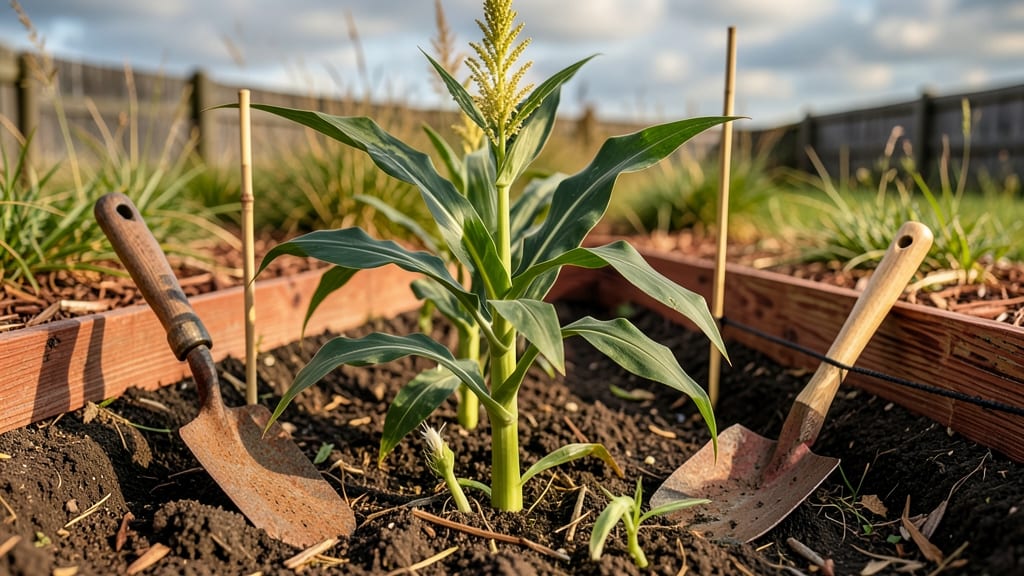
Timing your corn planting just right in Minnesota is the difference between a bountiful harvest of sweet 🌽 or a sad, stunted crop. With USDA Zone 4B's unpredictable frosts and short growing season, planting too early risks frost damage, while waiting too long cuts your yield short.
Most Minnesota gardeners know the general rule—wait until after the last frost—but the real secret lies in soil temperature. Corn won't germinate well until the soil reaches a steady 50°F, which typically happens in mid-April to mid-May, depending on your microclimate.
That window is your golden ticket to strong, healthy plants.
If you're wondering whether to plant early, mid, or late-season varieties, the answer depends on your local frost dates and how quickly you want your harvest. Early varieties like 'Early Sunglow' can handle cooler soils, while mid-season types like 'Pioneer 39T23' give you more flexibility for a longer harvest window.
Let me break down exactly when to plant for your specific corner of Minnesota, plus how to adjust for those tricky late frosts or early heatwaves. By the end, you'll know the perfect planting window to maximize your corn's potential—no guesswork needed.
Minnesota corn planting calendar: best dates for USDA Zone 4B success
Timing is everything when planting corn in Minnesota. With only about 150 frost-free days in USDA Zone 4B, you need to plant at the perfect moment to ensure your corn matures before the first frost hits in mid-October.
The ideal window is between mid-April and mid-May, but this depends on soil temperatures and last frost dates.
Corn seeds won’t germinate until the soil reaches at least 50°F (10°C). In Minnesota, this usually happens around late April to early May, but it can vary by 1-2 weeks depending on your microclimate.
Southern Minnesota may warm up earlier, while northern areas like the Twin Cities often need to wait until early May.
To avoid frost damage, plant corn 2-3 weeks after your average last frost date. In most of Minnesota, this lands in mid-May, but checking your local Almanac frost predictions is key.
For example, in Duluth (Zone 4a), you might plant as late as early June, while Rochester (Zone 5a) can start in early May.
If you’re unsure about frost dates, use black plastic mulch to warm the soil faster and extend your planting window. This trick can help you plant 1-2 weeks earlier in cooler areas, giving your corn more time to grow.
| Stage | Action | Ideal Timeframe (MN) |
|---|---|---|
| Soil Warming | Use black plastic mulch or wait for soil to reach 50°F | Late April - Early May |
| Planting | Sow seeds 1 inch deep, 2.5-3 feet apart | Mid-April (southern MN) to Mid-May (northern MN) |
| Germination | Keep soil moist until seedlings emerge (7-14 days) | Late April - Early June |
| Harvest | Pick when silks turn brown and kernels are milky | Late July - Early September |
| First Frost Backup | Choose early-maturing varieties if planting late | Mid-June (last resort) |
For gardeners in northern Minnesota, where the season is shorter, focus on early-maturing varieties like ‘Early Sunglow,’ which can be ready in as few as 60 days. These varieties give you a buffer if the season ends early.
Meanwhile, southern Minnesota gardeners can afford to plant slightly later and try mid-season varieties like ‘Pioneer 39T23,’ which take about 85 days to mature.
If you miss the ideal window, don’t panic! You can still plant corn in early June, but choose short-season varieties and be prepared for smaller ears. Just remember: corn planted after June 15 in Minnesota rarely matures fully before frost.
Pro tip: Use a soil thermometer to check temperatures before planting. Corn seeds need consistent warmth to germinate, and Minnesota’s spring soil can be unpredictable. If your soil is still below 50°F in early May, wait a few more days or use row covers to speed up warming.
Finally, plan for succession planting if you want continuous harvests. In Minnesota, you can make 2-3 small plantings spaced 10-14 days apart to stretch your harvest from late July through early September.
This works best with early-maturing varieties and ensures you don’t end up with a glut of corn all at once.
With the right timing and variety, you’ll be enjoying homegrown Minnesota corn straight from your garden—nothing beats the taste of ears grown in your own backyard! 🌽
How to adjust corn planting for Minnesota’s unpredictable weather patterns
Minnesota’s unpredictable spring weather can turn your corn planting plans upside down. One day it’s 50°F soil, the next it’s a late frost that threatens your tender seedlings. The key is flexibility—knowing how to adjust your schedule without sacrificing yield or risking crop failure.
I’ve learned to watch for soil temperature trends and have backup plans for everything from early heatwaves to delayed last frosts.
First, soil warmth is your best friend. Corn seeds need soil at least 50°F to germinate, but cooler soils slow growth. Use a soil thermometer to check daily—if temps dip below 45°F, delay planting until conditions improve.
In my garden, I’ve seen 3-4 week delays in early May when cold snaps linger. Patience here pays off with stronger, healthier plants that can outpace late-season pests.
Here’s my proactive strategy for Minnesota’s volatile climate: I plant two batches—one in early May and a second in late May—spaced 10-14 days apart. This ensures a staggered harvest and reduces the risk of losing everything to a single frost event.
For example, in 2022’s late spring, my early batch suffered from blacklayering (kernels turning hard before maturity), but the later batch thrived. Staggering also helps manage pollination timing, since corn needs warm days for tassels to release pollen.
⚠️ Late Frost Warning
If frost is forecasted within 7-10 days of planting, delay until after May 15. Use row covers or black plastic mulch to warm soil faster. Never plant before last frost date—even hardy corn varieties like 'Early Sunglow' can’t survive 28°F soil temps.
When early heatwaves hit (like our 80°F June days), corn can bolt prematurely, leading to small, tough kernels. To combat this, I use shade cloth during peak heat and increase watering to 1.5 inches per week.
Mulching with straw or grass clippings also helps retain moisture and regulate soil temps. Another trick? Plant shorter varieties like 'Bodacious'—they mature faster and handle heat better than tall types.
For cool, wet springs (which happen often in MN), focus on drainage. Corn roots need oxygen—waterlogged soil leads to root rot. Amend heavy clay soil with compost or sand before planting, and avoid compacting soil with foot traffic.
If rain delays planting, switch to container growing in large pots (12"+ deep) to control moisture levels. I’ve had success with this in Zone 4B’s soggy years, though yields are slightly lower than in-ground.
Finally, monitor pollen shed—corn needs 80°F+ days for tassels to release pollen. If temps stay cool, hand-pollinate by transferring pollen from tassels to silks with a paintbrush. In 2021’s cool summer, this saved my 'Pioneer 39T23' crop from poor pollination.
Keep a garden journal to track your local microclimate—note when your neighbors’ corn tassels appear, and adjust your expectations accordingly.
With these adjustments, you can turn Minnesota’s unpredictable weather into an advantage. The right variety, soil prep, and flexible timing will give you sweet, plentiful corn even in the most challenging seasons. Start small—try a 10-foot row of 'Early Sunglow' this year—and build your confidence (and harvest) from there! 🌽