
Plants
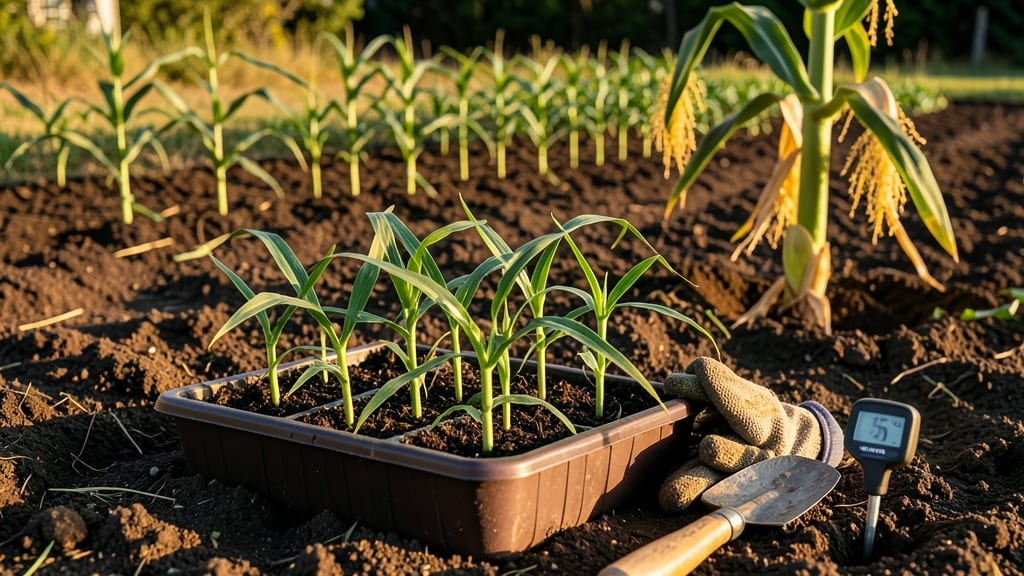
Planting corn in Montana at the wrong time could mean the difference between a bumper crop of 🌽 and a total flop—thanks to the state's dramatic shifts from frost to summer heat.
With USDA zones ranging from 4 to 7, timing your corn just right is the key to success, especially when your growing season is short and unpredictable.
Most Montana gardeners wait until late spring, after the last frost (typically May to early June), when soil temperatures hit at least 60°F.
But here’s the catch: if you’re in a cooler zone like Glacier County, you might need to start earlier with cold-hardy varieties, while southern areas like Yellowstone can afford to plant a bit later.
Whether you’re direct-sowing seeds or using starter plants, understanding your local frost dates and heat zones will help you choose the perfect varieties for Montana’s climate.
I’ll break down the best planting windows, soil prep tips, and even how to extend your season with simple tricks—so you can grow corn that thrives, not just survives.
Ready to turn your Montana garden into a corn patch that rivals the best? Let’s dive into the exact steps to time your planting for maximum yield, no matter where you are in the state.
Montana’s frost-free dates by county heat Zones for corn planting
Montana’s USDA Plant Hardiness Zones 3-7 create dramatic planting windows for corn, with northern counties like Glacier having only 90-100 frost-free days while southern regions like Sweet Grass enjoy 120+ days.
These differences mean your corn variety selection and planting timeline must adapt to your exact location—or risk stunted growth or frost damage.
For optimal corn yields, plant after soil reaches 60°F (15°C) and 2-3 weeks after your last spring frost. In Montana, this typically falls between mid-May and early June, but elevation changes everything.
High-altitude areas like Missoula (Zone 5) may need to wait until late May, while Billings (Zone 6) can start as early as mid-May.
Here’s how to align your planting with Montana’s frost-free zones and corn maturity groups to ensure a successful harvest:
If you’re in Zone 3 or 4, prioritize early-maturing sweet corn like 'Early Sunglow' (60 days) or 'Golden Bantam' (70 days). These varieties can complete their life cycle before Montana’s early fall frosts hit.
For Zone 5-7, you have more flexibility to try heirloom or field corn, but always check the days to maturity label to avoid late-season risks.
For field corn or popcorn, which take 90-120 days, focus on Zones 5-7. In these areas, you can push planting to early May and still expect a harvest before frost. However, northern growers should stick to sweet corn or risk immature ears.
Pro tip: Use a soil thermometer to confirm 60°F soil temps before planting—cold soil delays germination. In high-altitude areas, consider raising beds or using row covers to extend the season by 2-3 weeks.
Remember,
How to adjust corn planting time for Montana’s microclimates
Montana’s microclimates can vary dramatically—even within a single county. In Glacier County, for example, frost may linger until June 1, while Yellowstone County often sees its last frost by May 15.
Understanding these differences is key to timing your corn planting for success, especially when dealing with short-season varieties.
For northern Montana (USDA Zones 3-4), where growing seasons are tight, I recommend starting seeds indoors 4-6 weeks before your last frost date. This gives seedlings a head start before transplanting outdoors.
In warmer southern counties (Zones 5-7), you can often direct-sow seeds as early as mid-April, provided soil temperatures stay above 50°F.
Here’s how to adapt your planting strategy based on Montana’s localized conditions:
Use black plastic mulch to warm soil 2-3 weeks faster. Plant early-maturing varieties (60-70 days to harvest) by May 15 to avoid early fall frosts.
Direct-sow seeds after May 1 for medium-maturing varieties (70-90 days). Use row covers if nights dip below 40°F.
Plant late May to early June for full-season varieties (90+ days). Extend harvest with succession planting every 2 weeks.
Choose dwarf or semi-dwarf varieties (e.g., ‘Golden Bantam’) to reduce frost risk. Plant near south-facing walls or use cold frames for earlier starts.
Leverage warmer microclimates to plant 2 weeks earlier than surrounding areas. Monitor soil temperature with a probe—aim for 60°F+ before sowing.
In Glacier National Park’s higher elevations, I’ve seen corn planted as late as June 1 still produce decent yields by using early varieties and frost cloth.
Meanwhile, in Billings, gardeners often plant three successive crops in June and July to stagger harvests. The key is localized adjustments—don’t rely on county averages!
For frost-prone areas, I recommend planting near windbreaks or using low tunnels to create a warmer microclimate. In my own Zone 4 garden, I’ve extended the season by 3 weeks with these methods. Always check 7-day forecasts before transplanting seedlings to avoid late frosts.
Finally, remember that soil temperature matters more than air temperature. Use a soil thermometer to confirm 60°F+ before planting—cold soil delays germination. In Montana’s unpredictable spring, this tool is your best friend for timing.