
Plants
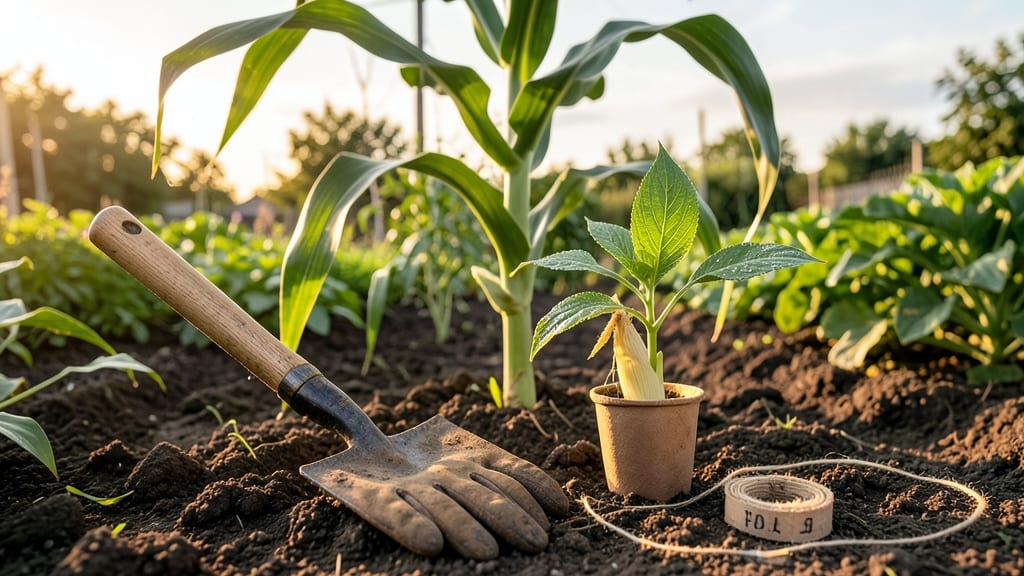
Timing your corn planting in New York can make or break your harvest—plant too soon and frost will zap your tender seedlings, but wait too long and you might miss the sweet spot for plump, flavorful ears.
With New York's 5a-7b zones offering wildly different frost dates, knowing exactly when to put those seeds in the ground is the key to success.
From the chilly hills of the Adirondacks to the urban gardens of Brooklyn, the ideal window stretches from mid-April to early June, but that's just the starting point.
Soil temperature, last frost dates, and even your local microclimate play a huge role in determining the perfect moment for your 🌽. Let's break down exactly when to plant where in New York so you can grow corn that's ready to harvest from late July through October.
You don't need to guess whether your area is still at risk for late frosts or if the ground is warm enough for germination.
I'll walk you through the science-backed methods to time your planting perfectly, including how to adjust for early vs. late corn varieties and what to watch for in your specific county.
Whether you're a seasoned gardener or trying this for the first time, these insights will help you avoid common pitfalls and maximize your yield.
Ready to grow corn that's tall, healthy, and packed with flavor? Let's dive into the exact planting schedule tailored to New York's diverse climate zones, so you can enjoy fresh corn on the cob straight from your garden all summer long.
The secret to success starts with knowing when—and where—to plant.
New York corn planting deadlines by USDA heat Zone (with frost risk alerts)
New York’s USDA heat zones 4-8 create dramatic differences in corn planting deadlines. Upstate regions like Albany (Zone 5b) face late spring frosts until May 10, while Long Island (Zone 7b) can plant as early as mid-April.
These variations mean your frost-free probability shifts from 50% in April (Upstate) to 95% by May (Southern NY).
For maximum yield, align planting with soil temperatures of 60°F+ and last frost averages. In Zone 6 (Syracuse), wait until May 1—planting earlier risks frost damage to tender seedlings. Southern Zone 7 (New York City) gardeners can start April 15 with row covers for extra protection.
Here’s how to pinpoint your optimal planting window using heat zone data, county examples, and frost risk alerts:
| USDA Zone | County Examples | Last Frost Date | Optimal Planting Window | Frost Risk (May 1) |
|---|---|---|---|---|
| Zone 4 (Northern NY) | St. Lawrence, Jefferson | May 15 | Late May | 70% |
| Zone 5 (Upstate) | Albany, Schenectady | May 1 | Early May | 50% |
| Zone 6 (Central NY) | Syracuse, Rochester | April 25 | Mid-April to May 1 | 30% |
| Zone 7 (Southern NY) | Westchester, NYC | April 15 | Mid-April | 10% |
| Zone 8 (Long Island) | Suffolk, Nassau | April 1 | Late March to April 15 | 5% |
*Frost risk based on 30-year averages; use row covers for earlier planting.
For Zone 6 and below, I recommend soil warming techniques like black plastic mulch to speed up germination. In Zone 7-8, you can push early planting into late March with row covers, but monitor soil temps
How to adjust corn planting dates for early vs late varieties in NY
New York’s corn varieties range from 85-day early maturers to 110-day late-season giants, each requiring precise planting adjustments. Early varieties like ‘Early Sunglow’ (85 days) can tolerate slightly cooler soils, while late varieties like ‘Golden Bantam’ (110 days) demand warmer conditions.
Your planting window shifts by 2-3 weeks depending on the variety—critical for avoiding early frost damage or missed harvests.
For early varieties, start seeds indoors 2-3 weeks before your last frost date (e.g., late March in USDA Zone 6 counties like Albany). Transplant outdoors when soil hits 55°F—earlier than standard varieties.
Late varieties, however, need soil at 60°F+ and should wait until mid-May in colder regions (e.g., Zone 5 like Dutchess County).
| Variety Type | Days to Maturity | Optimal Planting Window | Soil Temp Threshold | NY County Examples |
|---|---|---|---|---|
| Early (Sweet Corn) | 60-85 days | Late April–Early May | 55°F+ | Albany, Schenectady |
| Mid-Season | 85-100 days | Mid-May–Early June | 60°F+ | Westchester, Suffolk |
| Late (Dent/Field Corn) | 100-120+ days | Early June–Mid-June | 65°F+ | Chautauqua, Erie |
Rainfall patterns in New York can delay or accelerate your planting schedule. For example, June droughts (common in Zone 7 like Nassau County) may push planting to early July for late varieties.
Conversely, excessive spring rain (e.g., Zone 5 like Orange County) can soften soil too early, risking seed rot. Always monitor 7-day forecasts and adjust planting by 1 week if needed.
Soil temperature is your most critical factor. Use a soil thermometer to confirm readiness—early varieties tolerate 55°F, but late varieties stall below 60°F. In Zone 4 (e.g., Jefferson County), wait until late May for late corn to avoid stunted growth.
Pro tip: Black plastic mulch can warm soil by 5-10°F, extending your planting window by 10-14 days.
Harvest timing is just as critical. Early varieties planted in late April may mature by mid-July, while late varieties planted in June won’t ripen until October. Use a harvest calendar to track maturity dates and avoid first-frost risks (typically October 15 in NY).
For late varieties, prioritize cold-hardy hybrids like ‘Pioneer Brand 39T23’, which tolerate light frosts.
Balancing variety choice with your local heat zone ensures a reliable harvest. In Zone 5, stick to 85-day varieties for July harvests; in Zone 7, opt for 100-day varieties to avoid early frosts.
Always test a small batch of seeds indoors in March to refine your timeline—this 30-day head start can mean the difference between a bountiful crop and a failed yield.