
Plants
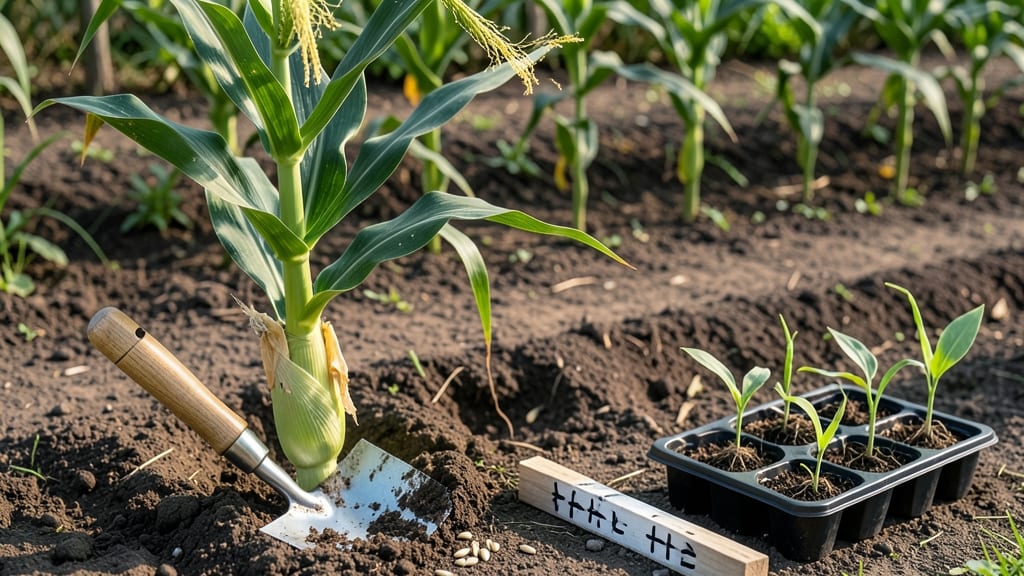
Planting corn in Middle Tennessee at the wrong time can mean the difference between a bountiful harvest and wasted seeds—because those 50-day varieties won’t wait for summer to arrive. The key isn’t just avoiding frost; it’s matching your corn’s growth speed to the 7a zone’s unpredictable spring shifts.
Most gardeners here rush to plant too early, only to watch their seedlings freeze when late frosts linger past mid-April. But timing it right—waiting until soil hits 60°F—gives your 🌽 the head start it needs to outpace Tennessee’s notorious whiplash weather.
I’ll show you exactly when to drop those seeds for peak yield, no guesswork involved.
You’ll learn how to read your local frost predictions, pick the right corn variety for your microclimate, and even adjust for drought-prone summers. Skipping these steps? You’re basically rolling the dice on your garden’s future. Let’s turn that gamble into a sure thing.
From early sweet corn to heat-loving field varieties, I’ll break down the perfect planting windows—plus the 3 biggest mistakes that kill Tennessee corn crops before they even start. Ready to grow corn that actually thrives here? Let’s get started.
Middle Tennessee frost dates and optimal corn planting windows by variety
Middle Tennessee’s USDA Zone 6b-7a means corn growers face a 190-day frost-free window—just enough for early, mid, and late-season varieties to thrive if planted correctly. The average last spring frost hits around March 15, but soil warmth is the real game-changer.
Corn needs 60°F soil temperatures to germinate, which typically aligns with mid-April to early May planting.
Choosing the wrong variety can turn your corn harvest into a gamble. Early varieties like Silver Queen mature in 60-70 days, while late-season Peaches and Cream need 110+ days.
Plant too early, and frost zaps seedlings; too late, and summer drought or early fall frost cuts yields short. Let’s break down the perfect planting windows for each type.
🌱 Did You Know? Middle Tennessee’s microclimates vary wildly—Nashville’s heat islands can delay frost by 1-2 weeks compared to cooler rural areas. Always check your local frost dates (not just the USDA average) before planting!
| Variety Type | Days to Maturity | Optimal Planting Window | Soil Temp Requirement | Frost Risk |
|---|---|---|---|---|
| Sweet Corn (Early) | 60-75 days | Mid-April to early May | 60°F+ | High (spring frost) |
| Sweet Corn (Mid) | 75-90 days | Late April to mid-May | 60°F+ | Moderate (spring/fall) |
| Sweet Corn (Late) | 90-110+ days | Early May to late May | 60°F+ | Low (summer heat) |
| Field Corn | 100-120 days | Late April to early June | 60°F+ | Moderate (fall frost) |
| Popcorn | 85-100 days | Early May to mid-May | 60°F+ | Low (longer growing season) |
For sweet corn, aim to plant early varieties by April 15 to avoid frost while ensuring ears mature before September’s first chill. Mid-season varieties like Bodacious (85 days) are my go-to—they balance yield and timing perfectly in Middle Tennessee’s hot, humid summers.
If you’re growing field corn for livestock, stretch planting to early June to maximize grain fill before frost.
Pro tip: Use a soil thermometer—corn seeds won’t sprout below 50°F, and germination slows dramatically below 60°F. If your
How to adjust planting time for early vs. late corn varieties in Tennessee’s climate
Middle Tennessee’s 190-day frost-free window gives you flexibility, but not all corn varieties thrive in the same schedule. Early-maturing varieties (60-70 days) need to be planted as soon as soil warms to 60°F, while late-season varieties (90+ days) can wait until late May to avoid summer drought stress.
For early corn, start seeds indoors in late March or plant directly in mid-April when nighttime temps stay above 50°F. This ensures harvest before summer’s heat stress or early fall frosts. Mid-season varieties (70-85 days) get planted in early May for a July-August harvest.
Use a soil thermometer—corn won’t germinate below 50°F, but roots struggle below 60°F. Late varieties (90+ days) like ‘Black Aztec’ can wait until late May to avoid drought, but risk ear rot if summer rainfall fails.
Check the National Weather Service’s frost prediction for your county. Row covers can extend early planting by 2-3 weeks, while black plastic mulch warms soil faster for late starts.
🌱 Key Adjustments for Tennessee’s Climate
- Early Varieties: Plant mid-April for June harvest; use row covers for frost protection.
- Mid-Season: Aim for early May planting; ideal for July-August harvests.
- Late Varieties: Wait until late May; prioritize drought-tolerant types.
- Soil Temp Check: Never plant below 60°F—use mulch to warm soil faster.
- Frost Watch: Monitor May 10-20 for late frosts; have emergency covers ready.
If summer drought looms, opt for short-season varieties like ‘Silver Queen’ (70 days) or drought-tolerant hybrids such as ‘Pioneer 39T23’. Succession planting every 2 weeks ensures continuous harvests through September.
For fall planting, try short-day varieties like ‘Early Sunglow’ (65 days) in late July—they mature before first frost. Just ensure full sun and consistent watering to compensate for shorter daylight.