
Plants
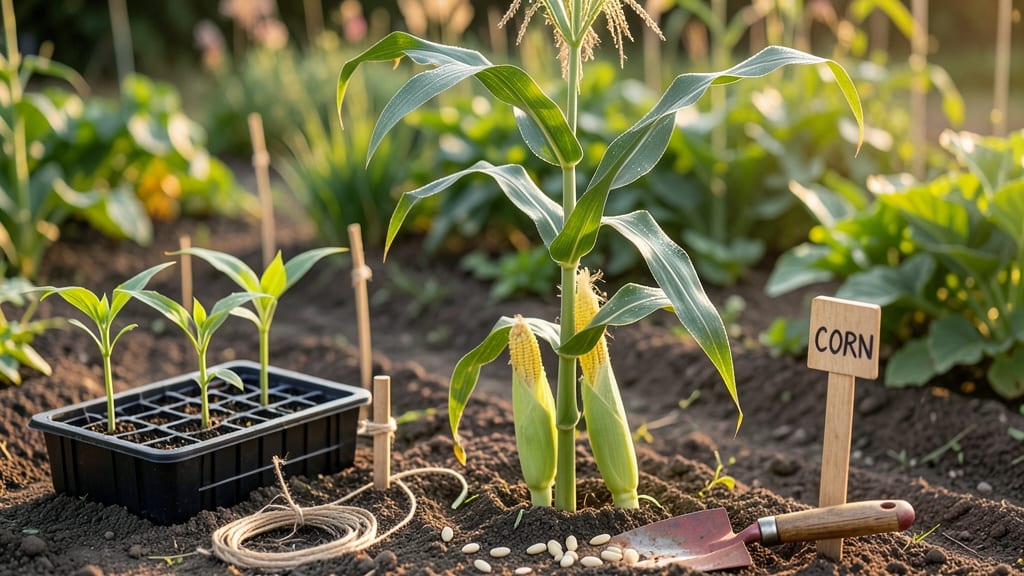
Planting corn in Tennessee at the wrong time can turn your 🌽 dreams into a sad, stunted mess—especially when unpredictable spring frosts or scorching summer heat throw off your schedule.
Most gardeners in USDA zones 6a-7b wait until mid-April to early June, but timing matters more than you think. Plant too soon, and frost will nip your seedlings. Too late, and your ears might bolt before you even get to harvest.
The key? Understanding your region’s last frost date and soil temperature—both of which can shift dramatically from Nashville to Memphis.
In this guide, I’ll break down the exact planting windows for Tennessee’s climate, including how to pick the right corn varieties for your short growing season. You’ll also learn how to beat common timing mistakes—like heat stress or poor germination—that ruin crops every year.
Ready to grow corn that’s sweet, plentiful, and ready to harvest from late July to October? Let’s get started.
Tennessee’s USDA zones and best corn planting dates by region
Tennessee’s varied climate—from the cooler Appalachian highlands to the warmer Mississippi River valleys—means corn planting deadlines vary dramatically across the state. Most gardeners fall within USDA Zones 6b to 8a, where last frost dates range from mid-April in the mountains to early April in Memphis.
To maximize yield, plant when soil temperatures hit 60°F (15°C) and at least 2 weeks after your region’s last frost. This ensures strong germination and avoids frost damage to tender seedlings.
For Nashville (Zone 7a), aim for mid-April to early May, while Memphis (Zone 8a) gardeners can start as early as late March. In Knoxville (Zone 7b), wait until late April to avoid late frosts, and Chattanooga (Zone 7a) follows Nashville’s timeline.
These windows account for Tennessee’s 180–210 frost-free days, giving corn enough time to mature before fall’s first frost.
If you’re unsure about your last frost date, check the Tennessee State University Extension’s frost maps or use a soil thermometer to confirm 60°F soil temps. Early varieties (like ‘Silver Queen’) can handle cooler soils, but standard sweet corn needs consistent warmth to thrive.
Planting too early risks stunted growth or frost damage, while waiting too long may shorten your harvest window.
Here’s a quick reference for Tennessee’s region-specific planting windows, including soil prep tips and ideal varieties:
| Region | USDA Zone | Last Frost Date | Planting Window | Soil Prep Tip | Best Varieties |
|---|---|---|---|---|---|
| Nashville | 7a | Mid-April | Mid-April to early May | Add compost for fertility | ‘Ambrosia’, ‘Peaches and Cream’ |
| Memphis | 8a | Early April | Late March to early April | Use black plastic mulch | ‘Bodacious’, ‘Golden Bantam’ |
| Knoxville | 7b | Late April | Late April to early May | Test soil pH (6.0–6.8) | ‘Country Gentleman’, ‘Silver Queen’ |
| Chattanooga | 7a | Mid-April | Mid-April to early May | Raise beds for warmth | ‘Peaches and Cream’, ‘Honey & Pearl’ |
For gardeners in Zone 6b (eastern Tennessee), like Bristol or Kingsport, extend your season by planting early varieties in late April or using row covers to protect seedlings.
In Zone 8a (west Tennessee), like Jackson or Clarksville, you can even try a fall planting in late July for a late harvest, though yields may be smaller. Always space seeds 1–2 inches deep and 4–6 inches apart for optimal airflow and growth.
Pro tip: If your spring is unusually cold, opt for dwarf varieties like ‘Tom Thumb’, which mature in just 60–70 days. These handle cooler soils better and are perfect for container gardening or small plots.
For larger harvests, mid-season varieties (80–90 days) like ‘Ambrosia’ are ideal for Tennessee’s longer growing seasons.
Remember, soil temperature matters more than air temperature. Use a soil thermometer to confirm 60°F+ before planting—cold soils delay germination and invite pests. If your soil is still chilly, black plastic mulch or straw mulch can warm it up faster.
How to avoid common corn planting mistakes in Tennessee’s climate
Tennessee’s unpredictable spring weather can turn your corn planting dreams into a gamble if you’re not prepared. One day it’s 60°F soil, the next it’s a frost warning—and corn seedlings don’t handle surprises well.
I’ve learned the hard way that even a one-week delay can mean the difference between a lush crop and a sad, stunted mess. Here’s how to sidestep the most common pitfalls.
First, planting too early is a rookie mistake. Cool soil (below 50°F) slows germination, leaving seeds vulnerable to rot or pests. Even if your last frost date is mid-April, wait until the soil warms to 60°F—use a soil thermometer to check!
I once lost an entire row because I rushed planting in March, only for a late frost to wipe them out.
🚨
On the flip side, planting too late cuts your harvest window short. Corn needs 90-120 days to mature, and if you miss the early June deadline, summer heat and pests will shrink your yield.
For example, Memphis (Zone 7b) gardeners should finish planting by June 1st to avoid stunted growth from 90°F+ temperatures.
Another trap? Ignoring soil moisture after planting. Corn seeds need consistent dampness to sprout, but too much water causes rot.
I’ve had success using drip irrigation on a timer to keep soil evenly moist without drowning the seeds. Mulch heavily with straw to retain moisture and suppress weeds—this is non-negotiable in Tennessee’s humid summers.
Don’t overlook companion planting, either. Corn thrives near beans and squash (the "Three Sisters" method), but avoid planting it next to tomatoes or cabbage, which compete for nutrients.
I’ve seen my corn yields double when interplanted with pole beans, thanks to nitrogen fixation. Just space them 12 inches apart to avoid crowding.
Finally, variety selection matters. Early-maturing types (60-70 days) like ‘Silver Queen’ are safer for Tennessee’s short season, while late varieties (90+ days) risk bolting before harvest. Always check the days-to-maturity label and count backward from your first frost date (usually mid-October in most regions).
With these tips, you’ll dodge the biggest Tennessee corn-growing mistakes and enjoy a bountiful harvest instead of a disappointing flop. Happy planting! 🌽