
Plants
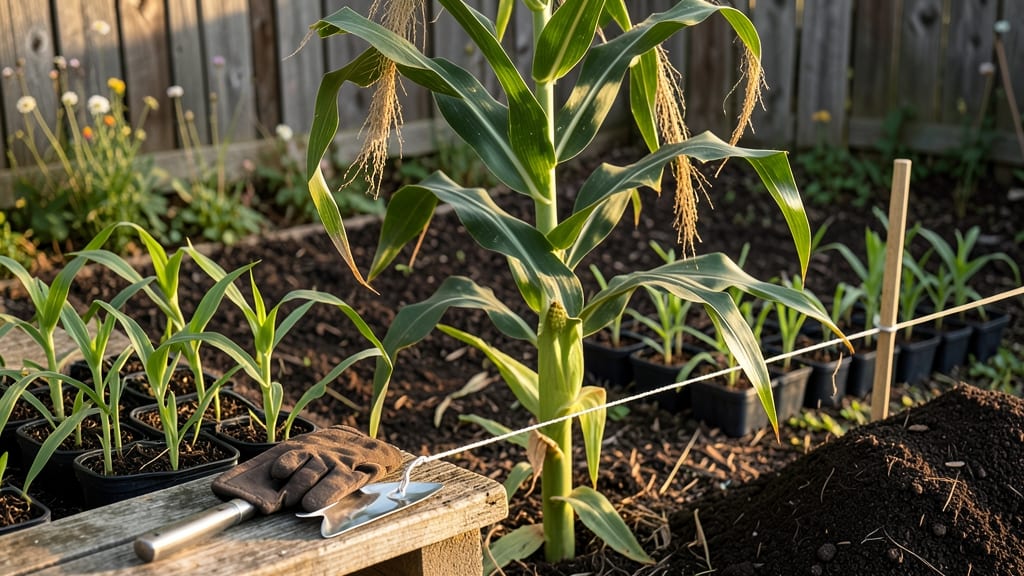
Planting corn in Connecticut at the wrong time can turn your 🌽 dreams into a sad, frost-nipped memory—especially when those last spring frosts sneak in like an uninvited dinner guest.
The difference between a bumper crop and a disappointing harvest often comes down to timing, and Connecticut’s Zone 6a climate demands precision.
You’ve got roughly 6 weeks between the last frost (usually mid-April) and when soil warms enough for corn to thrive. Miss that window, and you’re playing a risky game with Mother Nature.
But here’s the good news: with the right variety and a few smart strategies, you can stretch that window just enough to guarantee sweet, plump ears by late summer.
Whether you’re growing sweet corn for summer barbecues, field corn for livestock, or heirloom varieties for that old-fashioned taste, I’ll break down the exact planting schedule you need.
From soil temperature tricks to adjusting for coastal vs. inland microclimates, we’ll cover everything so your corn gets the head start it deserves.
Let’s dive into the frost-free timeline that’ll have your corn towering over your neighbors’ gardens by harvest season. Ready to plant with confidence? Here’s how to do it right.
Connecticut corn planting dates by variety type and hardiness zones
Connecticut's USDA Zones 5b-6a create unique challenges for corn growers, with last frost dates varying from mid-April inland to late April near the coast.
To succeed, you'll need to match your corn variety with the right planting window, accounting for soil temperature (ideal: 60°F+) and frost-free days (typically 165 days in CT).
Sweet corn, field corn, and popcorn each have distinct maturity timelines, meaning their planting dates must be staggered. For example, early sweet corn (like 'Silver Queen') can go in as soon as soil warms, while late varieties (such as 'Peaches and Cream') need a longer growing season.
Let's break down the exact planting windows for each type.
🌽
| Variety Type | Days to Maturity | Planting Window (CT) | Soil Temp Requirement | Notes |
|---|---|---|---|---|
| Early Sweet Corn | 60-70 days | Mid-April to early May | 60°F+ | Fastest to harvest; best for short seasons |
| Mid-Season Sweet Corn | 75-85 days | Late April to mid-May | 60°F+ | Most popular; extends harvest window |
| Late Sweet Corn | 90-100 days | Early to mid-May | 60°F+ | Best flavor; needs warm fall |
| Field Corn | 100-120 days | Late April to early June | 55°F+ | Drought-tolerant; plant early for full season |
| Popcorn | 85-110 days | Early to mid-May | 60°F+ | Needs warm soil; harvest late fall |
For coastal Connecticut (e.g., New London, Groton), you can plant 1-2 weeks earlier than inland areas due to warmer microclimates. Use a soil thermometer to confirm 60°F+ soil temps before planting—cold soil delays germination.
If you're unsure, opt for fast-germinating varieties like 'Early Sunglow' sweet corn, which sprouts in just 5-7 days.
Pro tip: Plant successive crops every 2 weeks from mid-April to mid-May for a continuous harvest. This works especially well for sweet corn, where 3-4 plantings can stretch your harvest from July to September.
Just ensure each planting has enough space—corn needs 12-18 inches between plants for proper air circulation.
How to adjust corn planting for Connecticut’s unpredictable spring weather
Connecticut’s spring weather can be as unpredictable as a toddler’s mood—one day warm and sunny, the next a surprise frost. To protect your corn crop, I’ve learned to plan ahead and use smart strategies like row covers and fast-germinating varieties.
These tricks help me beat late frosts and cold snaps while ensuring my corn gets the soil warmth it craves to sprout reliably.
First, check your local frost dates—Connecticut’s last spring frost typically hits mid-April, but inland areas like Hartford can see frost lingering until early May. Coastal regions like New Haven often warm up faster.
I always cross-reference the CT Agricultural Experiment Station’s frost data to fine-tune my planting schedule for my specific microclimate.
🌱 5 Proactive Strategies for Unpredictable Spring Weather
- Use row covers: Lightweight fabric traps heat and protects seedlings from 28°F frosts. Remove when temps rise above 70°F to avoid overheating.
- Choose fast-germinating varieties: Look for ‘Early Sunglow’ or ‘Silver Queen’—both sprout in 5-7 days at 55°F soil temps.
- Calculate heat units: Corn needs 2,000-2,500 growing degree days (GDD). Use a GDD calculator to adjust planting dates based on your location’s warming trends.
- Plant in blocks, not rows: Corn pollinates within 8-inch blocks. This ensures better cross-pollination if some plants get nipped by frost.
- Warm your soil: Lay down black plastic mulch 2 weeks before planting to raise soil temps by 5-10°F.
If you’re planting in March (with protection), opt for early-maturing varieties like ‘Bodacious’ (ready in 68 days). These can handle cooler soils and still produce a harvest before summer’s heat peaks.
I’ve also had success with transplanting 2-inch seedlings after soil temps hit 60°F—just be sure to harden them off first by exposing them to outdoor conditions for 5-7 days before moving.
Another trick I swear by? Succession planting. Instead of betting everything on one planting date, I stagger my corn in 2-week intervals from late April to early May. This spreads out my harvest window and reduces the risk of losing everything to a single late frost.
For example, plant ‘Golden Bantam’ popcorn in late April for an early harvest, then follow with ‘Country Gentleman’ sweet corn in early May.
Don’t forget to monitor soil moisture during these critical early weeks. Corn seeds need consistent moisture to germinate, but soggy soil can cause rot. I use a soil thermometer to track temps—55°F is the magic number for germination.
If your soil is cold and wet, hold off until it warms up, even if it means delaying planting by a week or two.
Finally, keep an eye on the weather forecast and have row covers or cloches ready. A light frost (below 32°F) can kill young seedlings, but a heavy frost (below 28°F) will damage even mature plants.
If frost is forecasted, cover your corn immediately—even a thin layer of fabric can make a difference. With these strategies, you’ll turn Connecticut’s unpredictable spring into an advantage, not a setback.