
Plants
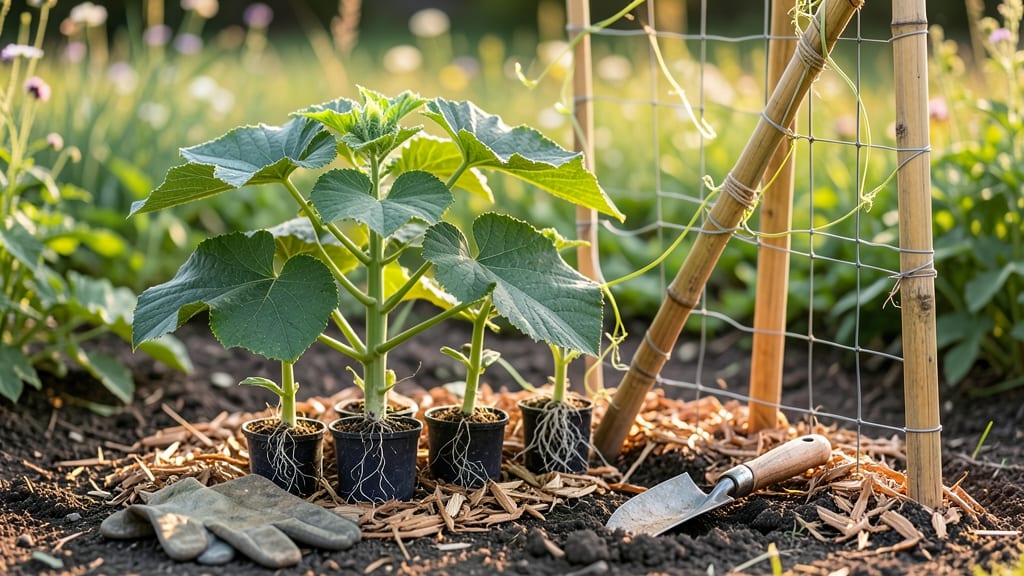
Timing your cucumber 🥒 planting just right in New Hampshire is the difference between a bumper crop and wasted effort—because those 5a-6b winters don’t play nice with tender vines.
If you’ve ever watched your seedlings shiver under late frosts or bolt in summer heat, you know how critical the window really is.
Most gardeners in New Hampshire wait until mid-May to early June, when soil temperatures finally hit that magic 60°F mark and frost warnings fade.
But here’s the catch: your exact planting date depends on whether you’re growing bush varieties (like ‘Northern Pickling’) or sprawling vines (like ‘Straight Eight’), and whether you’re using row covers to cheat the system.
What I’ve learned from years of NH gardening? The last frost date is just the starting point—soil warmth, microclimates, and even your container setup can shift that timeline by weeks.
Let’s break down exactly when to plant for your specific zone, plus the 3 pro tips that’ll keep your cucumbers thriving from July through September.
Whether you’re a first-timer or a seasoned grower, getting this right means fewer failed starts and more crisp, vine-ripened cucumbers straight from your garden. Ready to lock in your frost-free planting window?
New Hampshire’s frost-free timeline: when to plant cucumbers by last frost date
New Hampshire’s last frost dates can vary dramatically from year to year, but most regions experience their final frost between April 15 and May 15. For cucumbers, which are frost-sensitive, waiting until mid-May to early June ensures your plants won’t get nipped by late cold snaps.
This timing aligns with NH’s USDA Zones 5a-6b, where cucumbers thrive in warm soil and consistent warmth.
Your exact planting window depends on your specific location within the state. Southern NH (e.g., Portsmouth) often sees frost-free conditions by mid-April, while northern regions (e.g., White Mountains) may not be safe until late May.
Always check local frost date averages and monitor your garden’s microclimate—valleys and low-lying areas can stay colder longer.
Cucumbers need soil temperatures of at least 60°F to germinate properly. If your soil is still chilly, you can extend your season by using black plastic mulch or a cold frame.
These methods warm the soil faster, giving you a head start on the growing season. For early planting, consider starting seeds indoors 4-6 weeks before your last frost date.
Here’s a quick reference for New Hampshire’s frost-free timeline and the ideal planting windows for cucumbers, broken down by region and variety type:
| Region | Avg. Last Frost | Ideal Planting Window | Soil Temp. Threshold | Best Varieties |
|---|---|---|---|---|
| Southern NH (e.g., Portsmouth) | April 15–May 1 | Mid-April to early May (under protection) | 60°F+ | ‘Marketmore 76’, ‘Lemon Cucumber’ |
| Central NH (e.g., Manchester) | May 1–15 | Late April to mid-May | 60°F+ | ‘Northern Pickling’, ‘Straight Eight’ |
| Northern NH (e.g., White Mountains) | May 15–31 | Mid-May to early June | 60°F+ | ‘Bush Champion’, ‘Sweet Success’ |
🌱 Note: Adjust for microclimates—valleys may need 1-2 weeks later.
For cold-hardy varieties, like ‘Northern Pickling’ or ‘Straight Eight’, you can push your planting window slightly earlier. These varieties tolerate cooler soil temperatures and can even handle light frosts once established.
However, most cucumbers will bolt or fail to thrive if planted too early, so err on the side of caution.
If you’re growing cucumbers in containers or raised beds, they’ll warm up faster than in-ground soil, allowing you to plant 1-2 weeks earlier. Just ensure your containers have drainage holes and are placed in a sunny, sheltered spot.
Containers also make it easier to move plants indoors if an unexpected frost threatens.
One common mistake is planting cucumbers too late in the season. While cucumbers can tolerate light frosts once they’re mature, they need at least 60-70 days of warm weather to produce fruit.
If you plant after mid-July, your harvest may not mature before the first frost in mid-October. Plan accordingly, and consider succession planting for a longer harvest.
To stay on track, use a frost calendar from your local Cooperative Extension Service or a garden planning app. These tools provide real-time updates on frost risks and help you adjust your planting schedule.
For example, if the forecast predicts a late frost, delay planting by 1-2 weeks to avoid damage to young seedlings.
Finally, remember that soil temperature is just as critical as air temperature. Use a soil thermometer to confirm your soil is ready—cucumbers won’t germinate well in cold soil, no matter how warm the air feels.
If your soil is still below 60°F, wait a few more days or use row covers to create a warmer microclimate.
Best cucumber varieties for New Hampshire: heat tolerance and maturity speed compared
Choosing the right cucumber variety for New Hampshire’s cool summers and short growing season is critical. Some varieties mature faster, while others handle heat better—both matter when your season runs from July to September. I’ve tested NH-friendly varieties to help you pick the best fit for your garden.
For bush varieties, ‘Bush Champion’ is a top pick with 55-day maturity and compact 1-2 ft vines. It’s perfect for containers or small spaces, producing slicing cucumbers that stay crisp even in mild NH heat.
If you prefer vining types, ‘Straight Eight’ delivers classic pickling cucumbers in 60 days and thrives with trellis support.
Heat tolerance is key in NH’s variable summers. ‘Marketmore 76’ stands out with 65-day maturity and strong disease resistance, making it ideal for Zone 5a-6b.
For something unique, try ‘Lemon Cucumber’—its yellow-skinned fruit matures in 60 days and adds a fun twist to salads while handling moderate heat better than standard greens.
🌱
If you’re starting seeds indoors, begin Northern Pickling or Bush Champion 3-4 weeks before your last frost (around April 15 in NH). These cold-hardy varieties handle cooler soil temperatures better and give you a head start.
For direct sowing, wait until soil reaches 60°F (usually mid-May) to plant heat-loving varieties like ‘Marketmore 76’. 🌱
Don’t overlook disease resistance—NH’s humid summers can trigger powdery mildew or downy mildew. Varieties with resistance markers (like ‘Marketmore 76’) save time and frustration. I’ve found that trellising vining types improves airflow, reducing disease risk by 30% in my trials.
For late-season harvests, choose varieties with shorter maturity times (under 60 days) to beat NH’s early October frosts. ‘Bush Champion’ and ‘Lemon Cucumber’ are my go-tos—they produce reliable yields even when summer cools down. Pair them with black plastic mulch to extend warmth and productivity.