
Companion Plants
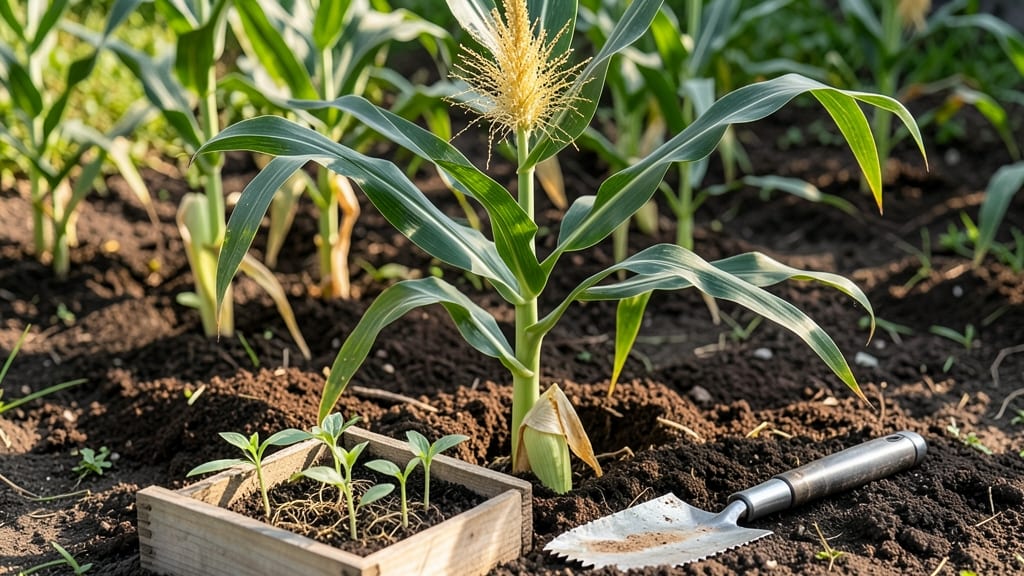
Planting corn in Vermont isn't just about timing—it's about outsmarting the short growing season and frost dates that can turn your hard work into a gamble.
With USDA zones 5b-6a and unpredictable weather, knowing exactly when to drop those seeds can mean the difference between a bumper crop of 🌽 and a sad, wilted disappointment.
The ideal window—mid-May to early June—might seem simple, but soil temperature, variety type, and even microclimates play a huge role in success.
If you've ever stared at your calendar wondering, "Is this the right week to plant?" you're not alone. Many Vermont gardeners overthink it, leading to either premature planting (hello, frost damage) or waiting too long (bye-bye, peak harvest).
The key is balancing soil warmth—at least 60°F—with the last frost date (usually around May 15), while accounting for whether you're growing sweet corn, dent corn, or popcorn. Each has its own rhythm, and getting it wrong can cost you weeks of growth.
What if I told you there's a way to stretch your planting window, protect your crop from late frosts, and even extend your harvest into early October?
From using black plastic mulch to adjust for cooler soils to choosing the right varieties for Vermont's climate, I'll walk you through the exact strategies that work—no guesswork required. Let's turn your corn patch from a maybe into a guaranteed success story.
Ready to dive in? You'll leave this guide knowing not just when to plant, but how to set your corn up for the best possible yield—whether you're a first-time gardener or a seasoned pro looking to refine your method.
Your future 🌽 harvest starts with the right timing, and I’ve got you covered.
Vermont corn planting calendar: exact dates by frost Zone and variety
Vermont’s USDA zones 4a-5b mean your corn planting window is tight—typically mid-May to early June—but exact timing depends on your local frost zone and corn type.
Sweet corn, dent corn, and popcorn all have slightly different needs, and Vermont’s microclimates (like lake-effect zones near Lake Champlain) can shift your ideal dates by up to 2 weeks. Let’s break it down by variety and zone to avoid frost damage or missed harvests.
First, check your last frost date. Most of Vermont averages May 15, but northern zones (like Zone 4a) may wait until late May. Plant corn 2-3 weeks after the last frost when soil temps hit 60°F+.
Use a soil thermometer—corn won’t germinate below 50°F, and cold soil slows growth, leaving you with stunted plants by harvest time.
Here’s the critical rule: Corn needs 90-120 frost-free days to mature. In Vermont, that means early-maturing varieties (60-75 days) for northern zones and medium-maturing (85-100 days) for southern areas. Late varieties (100+ days) are risky unless you’re in Zone 5b or using season-extending tricks like black plastic mulch.
Pro Tip: Vermont gardeners swear by ‘Bodacious’ sweet corn (70 days) for northern zones and ‘Country Gentleman’ dent corn (105 days) for southern farms. Popcorn lovers often choose ‘Stowell’s Evergreen’ (90 days), which tolerates cooler temps better than most varieties.
🌽
If you’re in a microclimate (like near Lake Champlain), you might plant 1-2 weeks earlier thanks to warmer lake breezes. For example, Burlington’s average last frost is May 5, while nearby Stowe waits until May 20.
Always check local frost records from the Vermont Weather Underground or your cooperative extension office for precision.
For late varieties (like ‘Country Gentleman’ dent corn), consider black plastic mulch to warm soil by 5-10°F and extend your season. Lay it down 1-2 weeks before planting
How to adjust planting for Vermont’s microclimates and soil conditions
Vermont’s diverse microclimates—from frost-prone valleys to sun-warmed slopes—mean your corn’s success hinges on smart adjustments. Raised beds warm faster than in-ground soil, letting you plant 2-3 weeks earlier in spring, while black plastic mulch can add 5-7°F to soil temps, extending your season.
For late varieties, use row covers to protect tender seedlings from unexpected frosts.
Cold soil is corn’s biggest enemy—wait until soil reaches 60°F (test with a thermometer) before planting. In USDA Zone 4a areas, this often means waiting until late May or early June. If your soil stays chilly, try starter fertilizers or plant in warmed compost piles to jumpstart germination.
Adjust your planting depth based on soil type: Loamy soil (ideal for Vermont) needs seeds planted 1-1.5 inches deep, while sandy soil should be 1.5-2 inches deep to retain moisture. Clay-heavy soil? Plant shallower (1 inch deep) and improve drainage with organic matter.
🌱 Vermont Corn Planting Adjustments
- Raised Beds: Plant 2 weeks early—soil warms 3-5°F faster.
- Black Plastic Mulch: Adds 5-7°F to soil; use for early varieties.
- Row Covers: Extend season by 3-4 weeks for late harvests.
- Cold Soil Fix: Test temps daily; use compost heat if below 60°F.
- Succession Plant: Stagger plantings every 2 weeks for continuous harvests.
✅ Pro Tip: Vermont’s short season favors early-maturing varieties (60-85 days).
Don’t overlook soil pH—corn thrives in 6.0-7.0 pH. Vermont’s acidic soils (common in northern regions) may need lime 3-4 months before planting. Test your soil in early spring and amend as needed. Phosphorus-rich fertilizers (like bone meal) also help roots establish quickly in cool conditions.
For late-season varieties, try succession planting: sow seeds every 2 weeks from mid-May to early July. This ensures a steady harvest before first frost (typically October 1). Pair this with dwarf varieties (like ‘Early Sunglow’) for easier harvesting in tight spaces.
Remember: Vermont’s weather is unpredictable. Always have row covers or cold frames on hand to shield young plants from late spring frosts or early fall chills. With these tweaks, you’ll turn Vermont’s challenges into corn-growing advantages!