
Companion Plants
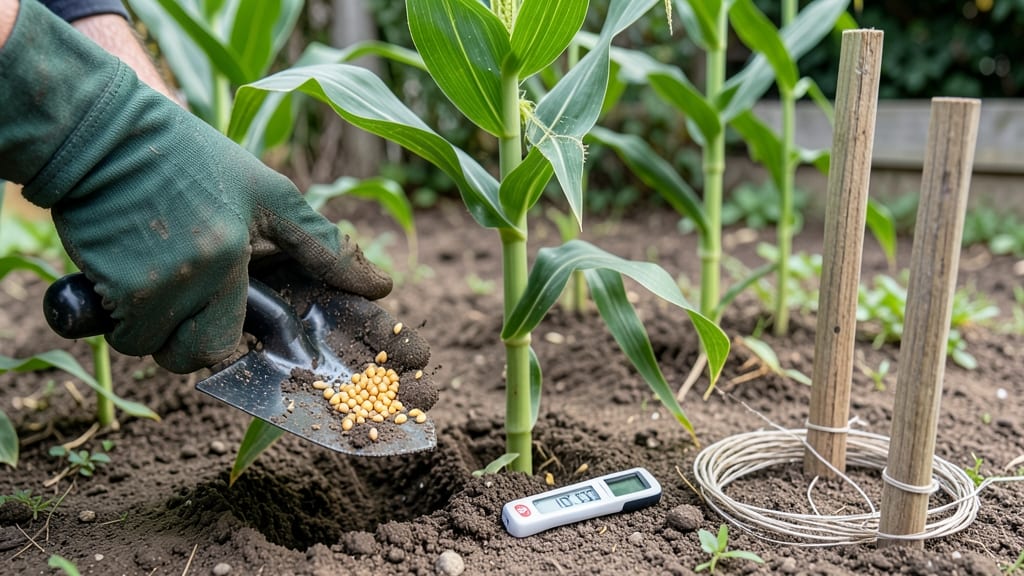
Timing your 🌽 corn planting in Canada could mean the difference between a thriving garden and a wasted season—because those frost dates aren’t just numbers on a calendar. Whether you're in frost-prone Quebec or the warmer Prairies, getting it right ensures your plants mature before the first hard freeze hits.
I’ve learned the hard way that planting too early can leave tender seedlings vulnerable, while waiting too long risks stunted growth. The key is understanding your region’s frost-free window and soil temperature thresholds—because corn needs warmth to thrive, not just time.
Let’s break down exactly when to plant for your specific zone to maximize your harvest.
From British Columbia’s mild coastal climate to the short growing seasons of the Maritimes, each province has its own sweet spot for planting. You’ll discover how to adjust for early or late seasons, which varieties perform best in your area, and how to protect your crop from unexpected cold snaps.
Ready to grow corn that actually reaches maturity?
This isn’t just about throwing seeds in the dirt and hoping for the best—it’s about working with your climate to get the most out of your garden.
I’ll share the exact deadlines, soil prep tips, and variety recommendations so you can confidently plant your corn at the perfect moment. Let’s get started.
Canada’s corn planting zones: frost-free deadlines by province for optimal growth
Corn thrives in warm weather, so planting it too early in Canada risks frost damage, while waiting too long cuts your growing season short. The key is aligning your planting date with your last frost date and heat unit requirements.
Most Canadian regions fall between USDA Zones 3a and 7b, meaning frost can linger until late May in some areas.
For example, in Southern Ontario, where summers are longer, you can plant as early as late April to early May. But in Northern Quebec or the Maritimes, you’ll need to wait until mid-to-late May to avoid frost.
Soil temperature is just as critical—corn seeds won’t sprout until the soil reaches 60°F (15°C).
Here’s a quick reference for frost-free planting windows by province to help you plan:
| Province | Last Frost Date (Avg.) | Ideal Planting Window | Heat Units Needed |
|---|---|---|---|
| British Columbia (Vancouver) | April 15 | Mid-April to early May | 2,500+ |
| Alberta (Calgary) | May 10 | Late April to mid-May | 2,200+ |
| Saskatchewan (Regina) | May 15 | Late May | 2,000+ |
| Manitoba (Winnipeg) | May 20 | Late May | 1,800+ |
| Ontario (Toronto) | May 15 | Late April to early May | 2,300+ |
| Quebec (Montreal) | May 10 | Late April to early May | 2,200+ |
| Atlantic Canada (Halifax) | May 25 | Mid-to-late May | 1,900+ |
In British Columbia and Southern Ontario, where growing seasons are longer, you can even plant early-maturing varieties in late April if the soil is warm enough.
But in Northern Saskatchewan or Northern Quebec, waiting until late May ensures your corn has enough time to mature before the first frost in September or October.
Corn also needs consistent warmth—planting too early when soil temperatures dip below 50°F (10°C) can delay germination for weeks. Use a soil thermometer to
How to adjust corn planting time for early or late seasons in Canada
Canada’s cool, short growing seasons can make corn planting tricky—but don’t let frost dates fool you. With the right strategies, you can extend your season and still grow sweet, plump ears. The key is adapting to your local climate while avoiding common pitfalls like frost damage or stunted growth. Here’s how to fine-tune your planting schedule for success, whether you’re in Northern Ontario or the Maritimes. Premature planting is one of the biggest mistakes gardeners make. If you plant too early and a late frost hits, your tender seedlings can die back to the ground, leaving you with no second chance for a harvest. Even if they survive, cold-stressed plants often grow slowly, resulting in smaller ears or poor kernel development. On the flip side, planting too late can mean immature ears before the first frost, leaving you with underdeveloped corn that’s tough and starchy.
❄️ Frost damage: Yellow or blackened leaves after a cold snap.
⏳ Stunted growth: Plants remain short with sparse foliage.
🌱 Weak stalks: Corn struggles to stand upright, increasing disease risk.
🌾 Poor ear development: Ears form but stay small or underdeveloped.
Solution: Wait until soil reaches 55°F (13°C) at least 1 inch deep and nighttime temperatures stay above 50°F (10°C) consistently.
Another trick for colder climates is to start seeds indoors and transplant them once the soil warms. Use biodegradable pots to avoid disturbing roots and harden off seedlings for 7-10 days before moving them outside. This method buys you 2-3 extra weeks of growth, which can make all the difference in Zone 2 or 3. Just be sure to plant after the last frost date—corn hates transplant shock and won’t recover well if stressed by cold.
Finally, watch the weather like a hawk in the weeks leading up to planting. If forecasters predict unseasonably cold nights, delay planting until conditions improve. Microclimates also play a role: South-facing slopes or urban heat islands can warm up 1-2 weeks earlier than surrounding areas. Use these warmer pockets to your advantage by planting corn there first, then filling in cooler spots with late-maturing varieties if needed.
With these adjustments, you can beat Canada’s short growing season and still enjoy a bountiful corn harvest. The secret? Flexibility and attention to detail. Start with the right variety for your zone, time your planting carefully, and protect your plants from unexpected chills. Soon, you’ll be enjoying homegrown sweet corn—no matter where you garden in Canada! 🌽