
Plants
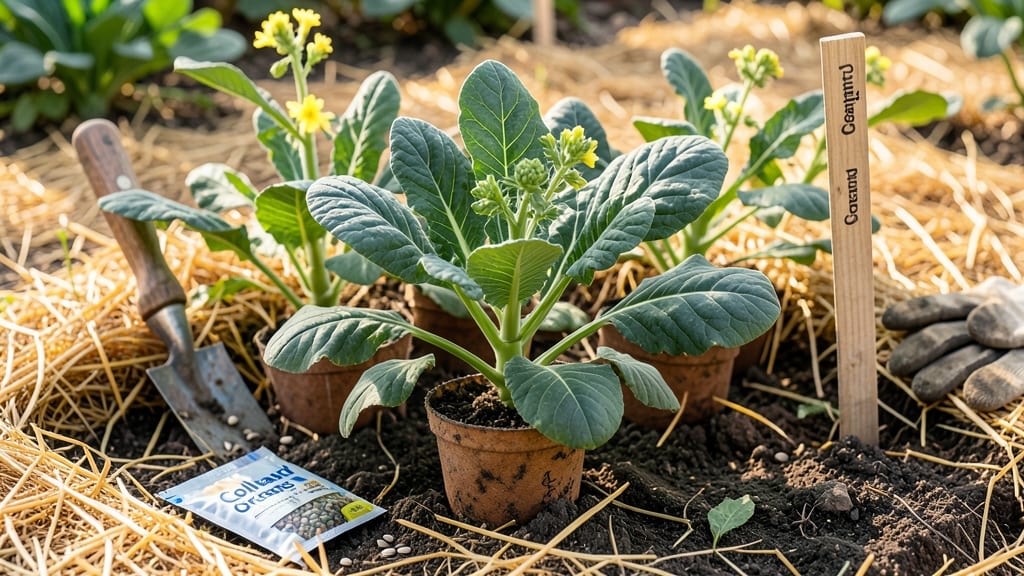
Timing your collard greens planting in Georgia can mean the difference between a thriving garden and a sad, wilted disappointment. These hardy greens 🥬 love the state’s mild winters, but if you plant too early or too late, you’ll end up with bitter leaves or stunted growth.
Georgia’s two ideal planting windows—late winter to early spring and late summer to early fall—align perfectly with the state’s 7a-9a climate zones. Whether you’re in the coastal plains or the Piedmont, understanding these deadlines helps you avoid bolting in summer heat or frost damage before your first harvest.
I’ve grown collards in Georgia for years, and I’ll show you exactly when to start seeds indoors or transplant seedlings for both spring and fall crops. With the right timing, you can enjoy fresh, flavorful greens from April through November—no more guessing!
Ready to master the schedule? Let’s dive into the best months, soil prep, and spacing tricks that work in Georgia’s unique climate.
Georgia heat Zone planting deadlines for collard greens success
Georgia’s USDA hardiness zones 7a-9a create the perfect conditions for two collard green harvests—but timing is critical. Plant too early, and summer heat will cause bolting.
Plant too late, and frost will stunt growth. The key? Align your schedule with first frost dates and heat tolerance thresholds specific to your region.
In Zone 7a (northern GA), the average last frost date is March 15, while Zone 9a (coastal GA) rarely sees frost. Your planting window shifts accordingly. Let’s break down the exact deadlines for both spring and fall crops to maximize your yield.
For spring planting, start seeds indoors 4-6 weeks before your last frost date (February for Zone 7a, March for Zone 8a-9a). Transplant seedlings outdoors 2-3 weeks after last frost—typically late March to early April. This ensures 60-70 days of growth before summer heat sets in.
Fall planting is even more critical. Seedlings need 60-70 days to mature before the first frost (November 15 in Zone 7a, December 1 in Zone 8a-9a). Aim to transplant 8-10 weeks before frost, meaning late August to early September for most of Georgia.
| Zone | Last Frost | First Frost | Spring Planting Window | Fall Planting Window |
|---|---|---|---|---|
| 7a (Northern GA) | March 15 | November 15 | Late Feb - Early Apr | Late Aug - Early Sep |
| 8a (Central GA) | March 1 | November 30 | Feb - Mid-Apr | Mid-Aug - Late Sep |
| 8b-9a (Coastal GA) | February 15 | December 15 | Jan - Early Apr | July - Early Oct |
Pro tip: Use heat-tolerant varieties like ‘Georgia Southern’ or ‘Vates’ for summer planting in warmer zones (8b-9a). These varieties handle 90°F+ temperatures better than standard types, extending your harvest window into late summer.
For fall crops, prioritize cold-hardy varieties such as ‘Blue Max’ or ‘Champion’. These can withstand light frosts (28°F), allowing you to harvest well into December in Zone 8a-9a. In colder Zone 7a, use row covers to protect plants from early frosts.
Spacing is another Georgia-specific factor. Plant seeds ½ inch deep and 1 inch apart in rows 18-24 inches apart. Thin seedlings to 12-18 inches apart once they’re 3-4 inches tall. This spacing prevents overcrowding, which leads to disease pressure in Georgia’s humid climate.
Remember: Soil temperature matters too. Collard seeds need 60-65°F soil to germinate. Use a soil thermometer to check before planting. In cooler zones (7a), wait until soil warms in late March for spring planting.
By following these heat zone deadlines, you’ll avoid the most common mistakes Georgia gardeners make—like planting too early in warm zones or missing the fall window. Next, we’ll cover how to extend your harvest season with row covers and succession planting!
Georgia heat Zone planting deadlines for collard greens success
Georgia’s USDA hardiness zones 7a-9a create perfect conditions for two collard green harvests—spring and fall—but missing the planting deadlines can ruin your crop. The key is understanding your first frost dates and heat tolerance thresholds.
In zone 7a (north GA), average first frost arrives November 15, while zone 9a (south GA) sees frost December 15 or later.
For spring planting, aim to transplant seedlings 4-6 weeks before your last frost date. In most of Georgia, that means February 15-March 15.
Fall planting should happen 8-10 weeks before first frost, translating to August 15-September 15 in cooler northern regions and September 15-October 1 in warmer southern areas.
Here’s your Georgia-specific planting timeline with frost-free days and ideal transplant windows:
| Zone | Last Frost | First Frost | Spring Planting | Fall Planting |
|---|---|---|---|---|
| 7a (North GA) | March 15 | November 15 | Feb 15-Mar 1 | Aug 15-Sep 1 |
| 8a (Central GA) | March 1 | November 30 | Feb 1-Mar 15 | Aug 30-Sep 15 |
| 9a (South GA) | February 15 | December 15 | Jan 15-Feb 15 | Sep 15-Oct 1 |
Collards thrive in Georgia’s cool-season temperatures (50-75°F) but bolt quickly when daytime temps exceed 80°F. That’s why fall planting works better in southern zones—you avoid summer heat while still getting a harvest before frost.
For spring, start seeds indoors 6-8 weeks before transplanting to give them a head start against Georgia’s unpredictable early warmth.
Pro tip: Use row covers or shade cloth to protect seedlings from late spring heat waves (common in April). This buys you extra time to reach maturity before summer’s intensity peaks. I’ve extended my spring harvest by 2-3 weeks using lightweight fabric covers during hot spells.
Remember, Georgia’s clay-heavy soils can slow germination, so pre-warm seedbeds with black plastic or use a seedling heat mat if starting early. With these deadlines, you’ll avoid the two biggest mistakes: planting too early in warm zones or too late for a fall harvest.