
Plants
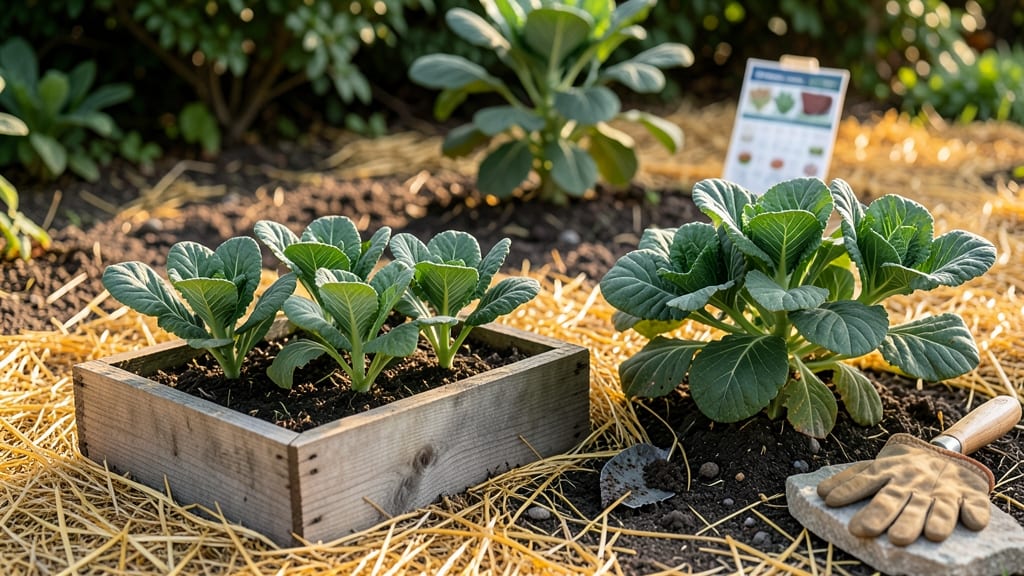
Planting collards in Georgia isn’t just about throwing seeds in the ground—it’s about mastering the perfect timing to outsmart frost and heat.
Whether you're in the cooler 7b zones of the north or the milder 8b regions of the south, getting this right means the difference between a bountiful harvest and wilted disappointment.
Most gardeners in Georgia know collards 🥬 thrive in spring and fall, but the exact window varies by county. Plant too early, and a late frost will turn your tender seedlings into sad, crispy snacks.
Too late, and summer’s sweltering heat will leave your plants struggling. The key? Understanding your local frost-free window—and how to adjust for Georgia’s microclimates.
In this guide, I’ll break down the ideal planting months for your specific area, using heat maps and expert insights to help you plant with confidence.
Whether you’re a first-time gardener or a seasoned pro, these tips will ensure your collards grow strong, sweet, and ready for harvest—just in time for that first taste of homegrown goodness.
Ready to turn your garden into a collard powerhouse? Let’s dive into the best times to plant, soil prep secrets, and pro tricks to extend your harvest—no matter where you are in the Peach State.
Georgia collard planting calendar by county: frost-free windows and heat zones
Georgia’s diverse climate means your collard planting timing should vary by region. North Georgia’s USDA Zone 7b (like Dawson County) has earlier frosts than South Georgia’s Zone 8b (like Camden County).
I’ll break down the optimal planting windows for each zone, so you can maximize your frost-free harvest.
For spring plantings, aim for late February to early April—just after the average last frost date of March 15. In fall, August to September gives collards time to mature before first frost (November 15).
But these dates shift 10-14 days depending on your county’s microclimate.
Key factors to consider:
- North Georgia (e.g., Fannin, Gilmer): Plant 2-3 weeks later than South Georgia due to colder soils.
- Coastal Georgia (e.g., Chatham, Liberty): Can plant 2 weeks earlier thanks to warmer winters.
- Piedmont region (e.g., Fulton, DeKalb): Follow mid-state averages but watch for unpredictable late frosts.
| Region | USDA Zone | Spring Planting | Fall Planting | Notes |
|---|---|---|---|---|
| North Georgia (Dawson, Fannin, Gilmer) | 7b | March 1-15 | August 15-Sept 1 | ❄️ Frost risk |
| Piedmont (Fulton, DeKalb, Cobb) | 7b-8a | Feb 28-March 10 | August 10-Sept 10 | 🌡️ Variable temps |
| Central GA (Houston, Peach, Macon) | 8a | Feb 20-March 5 | August 5-Sept 5 | 🌿 Longer season |
| South GA (Camden, Liberty, Chatham) | 8b | Feb 10-March 1 | July 25-Aug 15 | ☀️ Warmer soils |
📅 Adjust dates based on your local frost data (check NOAA or UGA Extension).
If you’re in North Georgia, start seeds indoors in January for transplanting after March 1. For South Georgia, you can direct-sow in February since the soil warms faster. Soil temperature is critical—collards thrive when soil reaches 50°F (10°C).
For fall plantings, prioritize August in North Georgia and July in South Georgia. This gives plants 60-80 days to mature before frost. Succession plant every 2-3 weeks in August for a continuous harvest through October.
Pro tip: Use UGA Extension’s frost maps to fine-tune your schedule. For example, Athens (Clarke County) averages 32°F frosts until March 20, while Savannah (Chatham County) rarely drops below 32°F before January.
In coastal areas, humidity can stress collards, so space plants wider (18 inches apart) for airflow. In mountain valleys, frost pockets may require row covers even in Zone 7b. Always monitor forecasts—a late frost in April can still damage young plants.
For maximum yields, pair your planting schedule with soil prep. Work in compost 2-3 weeks before planting to improve drainage—collards hate soggy roots. In sandy soils (common in South Georgia), add organic matter like leaf mold to retain moisture.
Remember: Collards are frost-tolerant but not frost-proof. A hard freeze (below 25°F) will damage even mature leaves. Use row covers or cold frames to extend your season by 2-3 weeks in fall.
How to adjust collard planting for Georgia’s microclimates: coastal vs. mountain regions
Georgia’s geography creates wildly different growing conditions—from the humid coastal plains to the cooler mountain valleys. If you plant collards in Chatham County using the same timing as Fannin County, you’ll either scorch your seedlings or waste precious growing days.
Let’s break down how to tailor your collard planting schedule to Georgia’s three key microclimates: coastal, Piedmont, and mountain.
For coastal Georgia (like Savannah or Brunswick), where humidity lingers and frost arrives later, you’ve got a longer window to plant. Start seeds indoors by mid-February for transplanting after your March 15 last-frost date.
Coastal areas also handle fall plantings until mid-October—unlike inland regions where frost sneaks in earlier.
| Region | Spring Planting Window | Fall Planting Window | Key Adjustments |
|---|---|---|---|
| Coastal (Chatham, Liberty) | Late Feb - Early Apr | Mid-Aug - Mid-Oct | Prioritize fungus-resistant varieties (e.g., 'Blue Max') and raise beds to improve drainage. |
| Piedmont (Fulton, DeKalb) | Early Mar - Mid-Apr | Early Aug - Early Oct | Use mulch heavily to retain moisture and plant in partial shade for summer crops. |
| Mountain (Dawson, Fannin) | Late Mar - Early May | Early Sep - Mid-Oct | Choose cold-hardy varieties (e.g., 'Georgia Southern') and plant near south-facing walls for heat absorption. |
In the Piedmont region (think Atlanta suburbs), heat builds faster, so delay spring plantings until early March when soil temperatures hit 50°F.
For fall, aim to finish by early October—any later, and those unpredictable November frosts will catch you off guard. Mulch with straw to moderate soil temps and reduce watering needs during Georgia’s sweltering summers.
Up in the mountains (USDA Zone 7a), like Dawson or Fannin Counties, your growing season shrinks dramatically. Skip spring plantings before late March—earlier seeds risk soil crusting from freeze-thaw cycles.
Instead, focus on a long fall window (early September to mid-October) and protect plants with frost cloth once temps drop below 30°F.
No matter your region, succession planting is key. In coastal areas, stagger plantings every 2-3 weeks from August to October.
In the mountains, space out fall plantings by 3 weeks to ensure a steady harvest before frost. Companion planting with bush beans or radishes also helps—beans fix nitrogen, while radishes deter pests like cabbage worms.
Pro tip: Use a soil thermometer to confirm planting readiness. Collard seeds need soil temps above 50°F to germinate reliably. In cooler mountain zones, consider a cold frame to extend your fall harvest by 2-3 weeks—just remove it during the day to prevent overheating.