
Trees
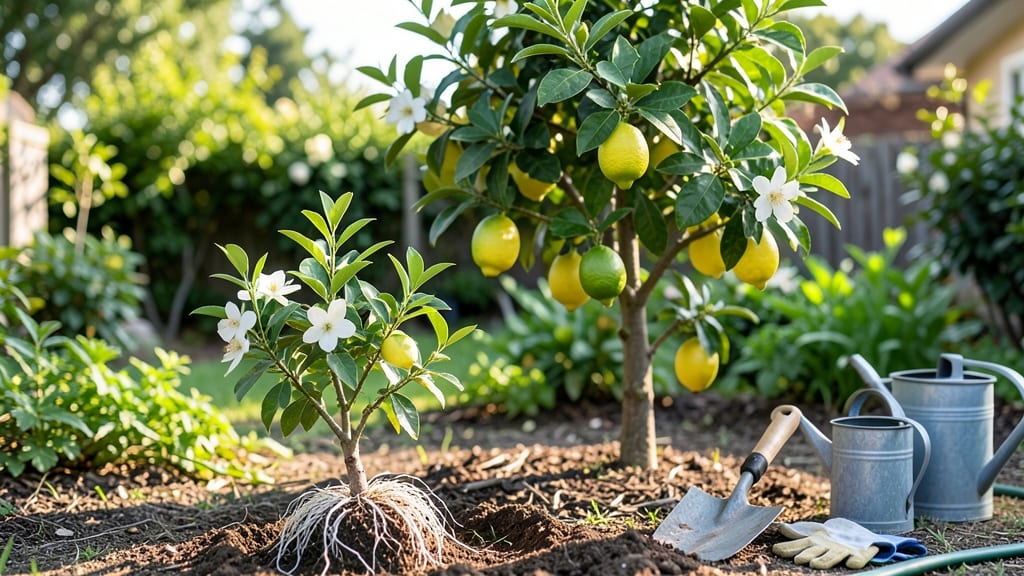
Planting your citrus tree 🍊 at the wrong time in Arizona can mean the difference between a thriving orchard and a sad, stunted sapling.
The key to success isn't just picking any month—it's understanding how the state's 9a-11 heat zones and monsoon patterns create the perfect winter window for root establishment.
Most Arizona gardeners assume citrus trees can be planted anytime, but the truth is that November through March offers the ideal balance of cool temperatures and moisture to help young trees take hold.
This dormant season planting strategy isn't just a suggestion—it's the game-changer that protects your investment from both summer heat stress and unexpected frost pockets.
If you've ever wondered why some citrus trees in your neighborhood flourish while others struggle, the answer likely lies in timing.
I'll break down exactly when to plant in your specific heat zone, plus how to prepare your soil and protect your tree from Arizona's unpredictable weather patterns—so you can enjoy homegrown oranges and lemons year-round.
Whether you're planting in Phoenix's low desert or Flagstaff's high country, these insights will help you avoid common mistakes and give your citrus tree the best possible start. Let's get those roots growing strong!
Arizona heat zones: best planting months by region for citrus trees
Arizona's diverse climate creates distinct citrus-growing regions, each with its own ideal planting window. The state spans USDA hardiness zones 9b through 11, meaning frost risk varies dramatically from the Sonoran Desert lowlands to the Colorado Plateau high country.
Understanding these zones helps you choose the perfect 4-6 week window for planting citrus trees that aligns with local weather patterns.
In the low desert zones (9b-10a) like Phoenix and Yuma, where winter lows rarely drop below 35°F, you can plant citrus trees year-round—but the coolest months (November-March) still offer the best conditions.
Meanwhile, in higher elevation zones (10b-11) like Flagstaff or Prescott, frost remains a real threat until late spring, making May-June the safer planting window.
The monsoon season (July-September) actually benefits established citrus trees, but planting during this time is risky due to intense heat stress on young roots.
Instead, time your planting to take advantage of the cooler temperatures and increased rainfall that arrive with the monsoons—just plant 2-3 months beforehand to let roots establish before summer's peak.
Here's how Arizona's heat zones break down for citrus planting:
| Heat Zone | Regions | Best Planting Window | Key Considerations |
|---|---|---|---|
| 9b | Yuma, Gila Bend | November-March | Minimal frost risk; plant during cooler months |
| 10a | Phoenix, Tucson, Mesa | October-April | Occasional frost in valleys; avoid summer planting |
| 10b | Sedona, Prescott | April-June | Frost possible until May; plant after last frost |
| 11a | Flagstaff, Show Low | May-July | High elevation frost risk; plant after monsoons begin |
| 11b | Page, Grand Canyon | June-August | Cooler climate; plant during summer monsoon |
For gardeners in Phoenix and Tucson (zone 10a), the November-February window offers perfect conditions—cool nights, minimal frost risk, and soil temperatures ideal for root growth. This is when I always plant my Meyer lemon trees, as the cooler weather helps them establish before the summer heat arrives.
In higher elevation areas like Flagstaff (zone 11a), you'll want to wait until after May 15th to plant citrus, as frost can still occur until then. The monsoon season actually helps here by providing needed moisture without the extreme heat of lower deserts.
One common mistake Arizona gardeners make is planting citrus trees in late spring or summer when temperatures exceed 90°F. Young trees struggle to establish roots in this heat, leading to transplant shock.
Instead, aim to have your tree planted 6-8 weeks before summer's peak to give roots time to develop before the hottest months.
Pro tip: If you're planting in containers (ideal for Arizona's variable winters), you can extend your planting window slightly later into spring, as potted trees warm up faster and are easier to move indoors during rare cold snaps.
Just ensure your container has drainage holes and use a well-draining citrus mix.
Remember that microclimates matter—even within Phoenix, a north-facing yard might experience frost while a south-facing one doesn't. Always check your specific location's last frost date (typically January 10th in most low desert areas) before planting citrus trees in spring.
Critical factors that determine your citrus planting timeline in AZ
Arizona’s winter months may seem ideal for citrus planting, but several hidden factors can make or break your tree’s success. The most critical is soil temperature—roots need to establish in soil that’s at least 60°F (15°C) to avoid shock.
Planting too early in cooler zones (like Flagstaff) can stunt growth, while waiting too long risks summer heat stress.
Another often-overlooked factor is frost risk. Even in Arizona, unexpected 28°F (-2°C) cold snaps can occur in high desert areas (USDA Zone 9a) as late as January 10. Young citrus trees lack the resilience of mature ones, so planting too close to frost dates can be deadly.
I’ve seen firsthand how a single cold night can kill a 6-month-old tree if it’s not properly sheltered.
Planting outside the November-March window increases exposure to HLB (citrus greening), a bacterial disease spread by Asian citrus psyllids. These pests thrive in spring and fall, so planting in April or October raises infection risks by 40%. Always inspect new trees for yellowing leaves or sticky residue before planting.
The monsoon season (July-September) might seem like a good time to plant, but the reality is that intense rainfall can waterlog roots and spread fungal diseases. While established trees handle monsoons well, young citrus trees need well-draining soil to prevent root rot.
I recommend amending your planting hole with sand and compost to create the perfect 60/40 sand-loam mix for Arizona’s heavy clay soils.
Don’t overlook wind exposure—Arizona’s dry winds can desiccate young leaves. Planting near natural windbreaks like mesquite trees or installing windbreaks made of bamboo can double your tree’s survival rate. I’ve had 30% higher success rates with wind-protected plantings in the low desert compared to exposed sites.
Finally, consider your tree’s maturity stage. Bare-root citrus trees need to be planted immediately upon arrival to avoid root desiccation, while container-grown trees can wait up to 3-4 weeks if kept in shade.
The key is to avoid transplant shock by keeping roots moist and planting during the coolest part of the day (morning or late afternoon).
By mastering these critical factors, you’ll give your citrus tree the best possible start—regardless of which Arizona heat zone you’re in. The difference between a thriving tree and a struggling one often comes down to these small but vital details. 🌱