
Trees
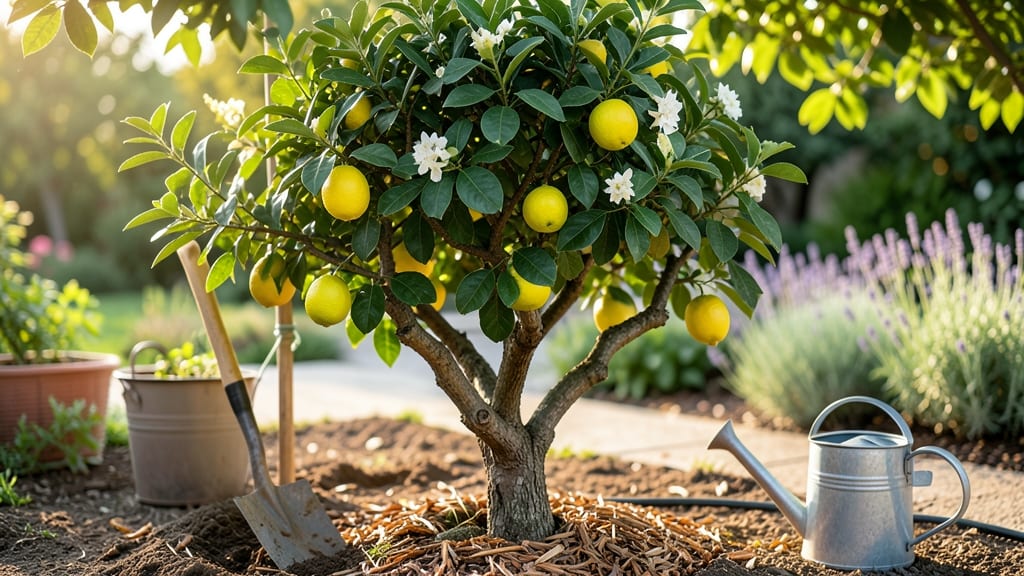
Timing your 🍊 citrus tree planting in Florida isn’t just about the calendar—it’s about beating the heat, avoiding frost surprises, and setting your tree up for year-round harvests.
Plant too early, and you risk frost damage in North Florida’s 8a-9a zones; too late, and summer’s brutal sun can shock young roots. The sweet spot? Late winter to early spring, when soil warms just enough to encourage growth without overwhelming stress.
But here’s the secret Florida gardeners don’t always share: your exact planting window depends on where you live. In South Florida’s 10a-11 zones, you’ve got more flexibility—even summer planting can work with the right tricks.
Meanwhile, North Florida growers need to time it perfectly to dodge that last frost, which can hit as late as January 1 in some areas. Let’s break down the heat zone rules that’ll give your citrus the best shot at thriving.
Whether you’re dropping a 10-foot dwarf Meyer lemon into your backyard or prepping a 20-foot grapefruit tree for your homestead, the right timing cuts down on stress and speeds up rewards.
I’ll walk you through the exact months to plant, how to prep your soil, and even how to cheat the system if you miss the ideal window. Ready to turn your citrus dreams into a harvesting reality?
From container-grown trees to in-ground plantings, we’ll cover it all—so you can enjoy fresh fruit year-round without the guesswork. Let’s get those roots in the ground at the perfect moment.
Florida’s ideal citrus planting windows by heat zone: when to plant for maximum survival
Florida’s 11 distinct heat zones (8A through 10A) create wildly different citrus planting conditions. In North Florida (8A-9A), like Jacksonville or Gainesville, late winter (February-March) is critical to avoid unpredictable frosts that can kill young trees.
Meanwhile, South Florida (10A), including Miami and Fort Lauderdale, enjoys year-round planting—but summer heat still demands caution.
Citrus trees thrive when planted during their natural dormancy period, typically January through March. This timing aligns with rising soil temperatures (above 60°F) and lower humidity, reducing stress on roots. For container-grown citrus, you can plant slightly earlier (December) since pots warm faster.
Here’s how Florida’s USDA heat zones break down for citrus planting:
| Heat Zone | Best Planting Window | Key Considerations | Frost Risk |
|---|---|---|---|
| 8A (North FL) | Feb 15 - Mar 15 | Wait for soil temps >60°F; protect from late frosts | High (Jan-Mar) |
| 9A (Central FL) | Jan 15 - Mar 1 | Avoid Jan frosts; use windbreaks | Moderate (Dec-Feb) |
| 10A (South FL) | Year-round (best: Oct-Mar) | Avoid peak summer (June-Aug); mulch heavily | None |
In North Florida (8A-9A), I’ve seen citrus trees planted in April survive—but they struggle with heat stress and poor root establishment. The 30-day window between February 15 and March 15 gives roots time to establish before summer’s intensity.
For South Florida (10A), October through March is ideal, as summer’s 90°F+ soil temps can scorch delicate roots.
Citrus varieties also play a role. Lemons and limes handle cooler temps better than oranges or grapefruit, so they can be planted 1-2 weeks earlier in Zone 9A. Always check your local frost dates—the National Weather Service provides 10-year averages for your area.
If you’re in Zone 10A, you can plant year-round, but summer planting (June-August) requires extra shade for the first 4-6 weeks. Use 50% shade cloth and daily watering to prevent transplant shock from intense sunlight.
For container citrus, timing shifts slightly. Pots heat up faster, so plant in December-January even in Zone 9A. Just ensure your container has drainage holes and use well-draining potting mix to prevent root rot in Florida’s humid climate.
Pro tip: Test soil temperature before planting. Use a soil thermometer—roots need consistent temps above 60°F to thrive. In Zone 8A, this might not happen until late March, even if air temps are mild.
Finally, avoid planting during Florida’s rainy season (June-September). Waterlogged soil suffocates roots, and hurricane winds can uproot young trees. If you must plant in summer, choose dry spells and stake trees for stability.
Critical factors that determine your citrus planting success: beyond just the calendar
Florida’s citrus trees thrive when planted during the right soil temperature and moisture conditions, not just the calendar month. The key is waiting until the ground warms to at least 60°F (15°C)—this encourages root growth without shocking the tree.
In North Florida (zones 8a-9a), this usually means holding off until mid-February to avoid frost damage, while South Florida (zones 10a-11) can plant as early as December.
Don’t overlook rainfall patterns—planting during Florida’s dry season (November-April) gives roots time to establish before summer’s heavy rains. Too much water early on can drown roots or invite fungal diseases like root rot.
I’ve seen citrus trees planted in June fail within months because the soil stayed too wet, while those planted in February took off like rockets.
Your citrus variety also dictates timing. Meyer lemons and Calamondins handle cooler temps better, so they can tolerate January plantings in Central Florida (zone 9a). Meanwhile, Valencia oranges and Ruby Red grapefruits need warmer soil, so wait until March in these areas.
Even within the same variety, container-grown trees adapt faster than bare-root seedlings, giving you a slightly wider window.
🌱 Urban microclimates throw another wrench into timing. A concrete-heavy yard in Miami stays warmer longer, letting you plant 2-3 weeks earlier than rural areas. Conversely, coastal humidity near Tampa can delay planting by a week or two because wet soil stays cooler.
I once planted a Satsuma mandarin in January in a brick-paved backyard—it thrived, while a neighbor’s tree in a shady, grassy spot struggled until March.
Key Takeaway: The 3 Non-Negotiables for Citrus Planting
- Soil temp: Wait for 60°F+ (15°C+)—use a soil thermometer if unsure.
- Variety: Cold-hardy types (e.g., Satsuma) plant 2 weeks earlier than heat-lovers (e.g., Valencia).
- Microclimate: Paved areas = plant earlier; shady spots = delay until soil warms.
Even the moon phase matters—though it’s debated, I’ve noticed rooting success improves when planting during the waxing moon (just after the new moon). The gravitational pull is thought to encourage downward root growth, which is critical for citrus trees.
Pair this with a full-sun location, and you’ve got the perfect storm for success.
Finally, container planting changes the game. Potted citrus trees can go in the ground anytime (even summer), as long as you acclimate them gradually to Florida’s heat.
I’ve transplanted June-planted container citrus into the ground with 90% survival rates by moving them to 50% shade for the first 2 weeks and watering daily. The secret? Root protection—use mulch or shade cloth to shield young roots from stress.
🌿 Pro Tip: Test your soil’s pH (6.0-7.0) and drainage before planting—citrus trees hate soggy feet. Amend clay soil with compost or sand, and add citrus-specific fertilizer at planting to give your tree a nutrient boost from day one.