
Trees
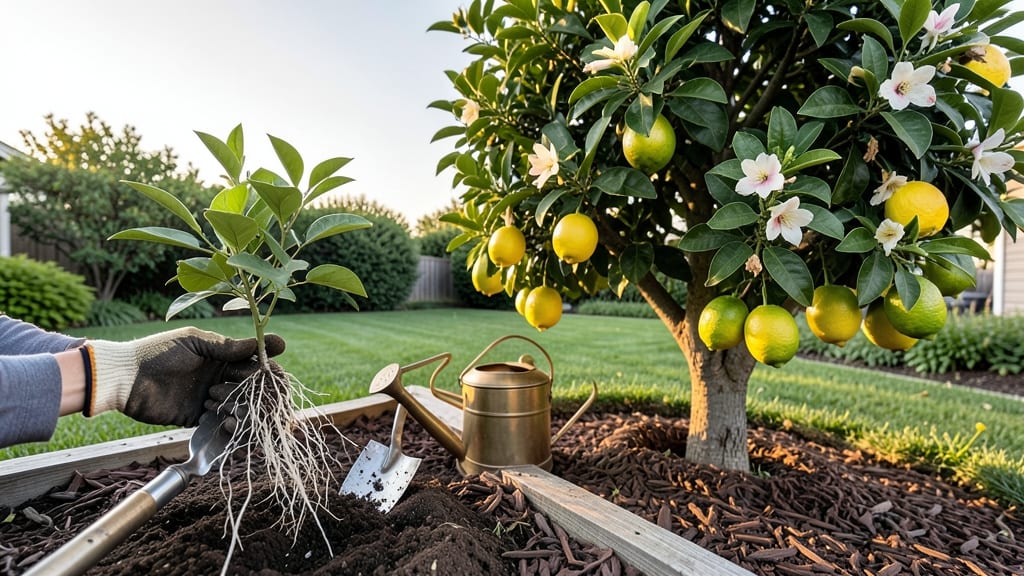
Planting a 🍊 citrus tree in Arizona might seem simple—until you realize timing can make or break your tree’s survival. The wrong month could mean struggling growth, frost damage, or even losing your investment before it bears fruit.
Here’s the truth: Arizona’s 9b-11 climate gives you two prime windows to plant—November through March—when cooler temps and dormant seasons reduce stress on your new tree. But even then, skipping a few key steps could leave your citrus struggling to take root.
I’ve seen firsthand how planting outside these months can lead to transplant shock or weak roots, especially in Arizona’s intense heat. By following the right schedule—and a few pro tips—I’ll show you how to set your citrus up for thriving fruit production from day one.
Let’s dive into the best months to plant, what to watch for, and how to avoid common mistakes that could cost you years of harvests. Your future 🍊 orange tree is waiting—let’s get it right.
Best months to plant citrus trees in Arizona for maximum survival and fruit production
Arizona’s mild winters and hot summers create a near-perfect climate for citrus trees—but timing your planting is critical. Unlike many plants, citrus thrives when planted during cooler months, when roots can establish without competing with extreme heat or frost risks.
The ideal window spans from late fall to early spring, with two prime periods: February–April and September–October.
These months align with Arizona’s dormant season for citrus, reducing transplant shock and allowing roots to grow before summer’s intensity. Planting in summer (May–August) risks heat stress, while late winter (January) offers a balance of cool temps and increasing daylight.
Let’s break down the best options and what each season brings to your citrus tree’s future.
| Season | Best Months | Temperature Range | Soil Prep Tip | Key Benefit |
|---|---|---|---|---|
| Cool Season | November–March | 50–75°F | Amend soil with compost | Minimal transplant shock |
| Early Spring | February–April | 60–80°F | Add citrus-specific fertilizer | Rapid root establishment |
| Late Summer | September–October | 75–90°F | Mulch heavily for moisture | Avoids summer heat stress |
| Avoid | May–August | 95–110°F | N/A (high risk) | Heat shock and poor survival |
February through April is my top recommendation for most Arizona gardeners. During these months, daytime temperatures hover between 60–80°F, providing enough warmth for root growth while avoiding the intense summer heat. This window also coincides with Arizona’s natural rainfall increase, reducing the need for immediate irrigation.
For example, planting a Meyer lemon in March gives it 3–4 months to establish roots before summer’s peak.
If you miss this window, September–October offers a second chance. Temperatures remain mild (75–90°F), and the soil stays moist longer from summer rains. However, act quickly—planting after mid-October risks cooler nights that slow root growth.
In Tucson, for instance, October evenings can dip to 50°F, which is safe but not ideal for citrus.
Soil conditions play a huge role in Arizona’s success with citrus. The desert soil is often alkaline (pH 7.5–8.5), but citrus prefers slightly acidic to neutral (pH 6.0–7.0). Before planting, test your soil and amend with sulfur or peat moss to lower pH if needed.
I’ve seen lime trees planted in unamended soil struggle for years—don’t let that be your tree!
Watering strategies shift with the season. After planting in cool months, water deeply 2–3 times per week for the first month to encourage root spread. Use a soaker hose or drip irrigation to keep moisture consistent without wetting foliage (which invites fungal diseases).
In spring, reduce to weekly deep watering as temperatures rise, and always water early in the morning to minimize evaporation.
One common mistake is assuming Arizona’s heat means citrus can handle any planting time. While citrus is drought-tolerant once established, young trees planted in summer often suffer from heat stress, leading to leaf scorch or even death.
I’ve seen orange trees planted in July wilt within weeks—avoid this by sticking to the cool-season windows.
For container-grown citrus, timing matters even more. Potted trees planted in spring (March–April) benefit from warmer soil and can be moved outdoors after last frost risk passes. If you’re growing in pots, acclimate them gradually to outdoor conditions over 7–10 days to prevent shock.
Harden off by placing them in partial shade first, then gradually increase sun exposure.
Finally, consider your citrus variety. Dwarf varieties like
How Arizona’s microclimates affect citrus planting timing (and how to adapt)
Arizona’s diverse landscapes—from the Sonoran Desert’s low elevations to the high desert’s cooler plateaus—create microclimates that drastically impact citrus planting success. What works in Phoenix’s USDA Zone 10b may fail in Flagstaff’s Zone 7a, where unexpected frosts can kill young trees.
Understanding these variations helps you choose the right planting window and location for your citrus varieties.
For example, lowland cities like Tucson and Yuma (Zones 9b-11) enjoy frost-free winters, making fall planting (September–October) ideal—roots establish before summer’s intense heat. Meanwhile, higher elevations (e.g., Prescott, Sedona) in Zones 7b-8a require spring planting (March–April) to avoid late-winter frosts that can damage tender citrus roots.
Urban gardeners in Phoenix or Mesa face additional challenges like heat islands and limited soil quality. Container-growing becomes essential here, allowing you to move potted citrus to cooler microclimates during summer’s peak (June–August).
Rural areas with well-draining soils and sheltered microclimates (e.g., near rock formations or buildings) offer more flexibility for in-ground planting.
🌱 Citrus Planting by Arizona Microclimate
| Region | USDA Zone | Best Planting Window | Key Adaptations |
|---|---|---|---|
| Phoenix/Mesa | 10b-11 | Sep–Oct or Feb–Mar | Use containers for heat islands; mulch heavily. |
| Tucson/Yuma | 9b-10a | Oct–Nov or Mar–Apr | Plant near south-facing walls for winter sun. |
| Flagstaff/Prescott | 7a-8a | Apr–May (avoid frost) | Choose dwarf varieties; protect with burlap wraps. |
| Sedona/Jerome | 7b-8b | May–Jun (post-frost) | Amend soil with compost; plant in sheltered spots. |
If you’re in a transition zone (e.g., Gilbert, Queen Creek), monitor local frost alerts and opt for early spring planting (February–March). These areas experience light frosts (28–32°F), which can damage young citrus.
Hardier varieties like Mexican lime or Calamondin orange tolerate cooler temps better than Valencia oranges.
For urban gardens, prioritize elevated beds or containers to improve drainage and warmth. Add 3–4 inches of mulch (straw or wood chips) to regulate soil temperature and retain moisture.
In rural settings, test soil pH (aim for 6.0–7.0) and amend with sand and compost to mimic Arizona’s native, well-draining soils.
Pro tip: Use a maximum/minimum thermometer near your planting site to track temperature swings. Citrus roots thrive in 60–85°F soil temps—planting outside this range stresses trees and delays fruit production. Adjust your timing based on your local data to give your citrus the best start!