
Companion Plants
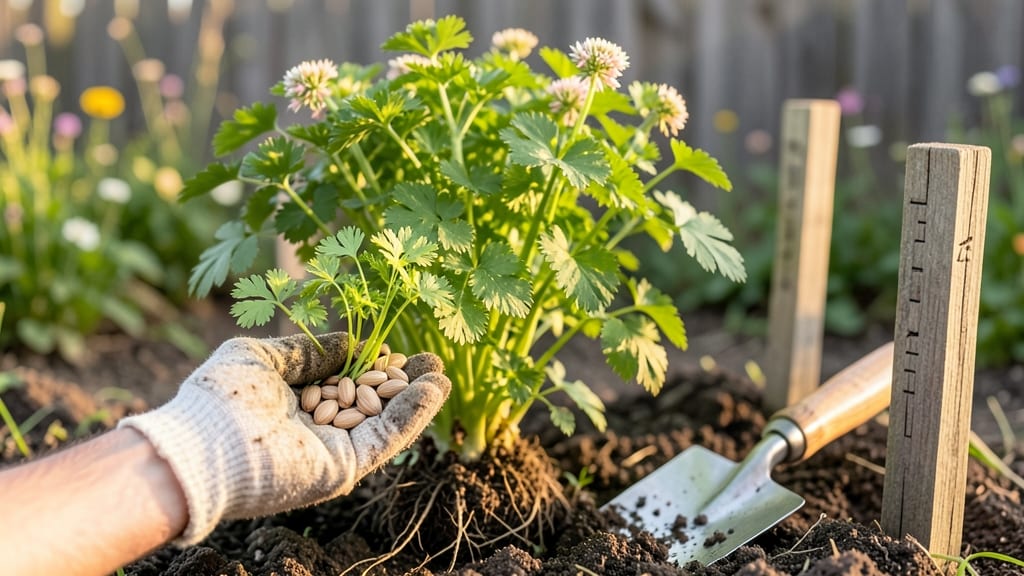
Planting cilantro in Oklahoma feels like chasing a moving target—one day it’s thriving, the next it bolts into oblivion. But with the right timing and a few clever tricks, you can grow fresh 🌿 cilantro from spring through fall without the frustration.
The secret lies in understanding Oklahoma’s 6b-8a climate zones and when to plant for maximum success.
Most gardeners know cilantro hates heat, but did you know the best windows are actually late winter to early spring (February-March) and early fall (August-September)? That’s when soil temps stay cool enough to prevent bolting, and your cilantro will reward you with tender leaves instead of bitter flower stalks.
Let’s break down the exact deadlines and heat-resistant strategies that work in Oklahoma’s unpredictable weather.
If you’ve ever planted cilantro only to watch it turn into a sad, flowering ghost by May, you’re not alone. The key to success is choosing the right varieties—like ‘Calypso’ or ‘Santo’—and giving them the perfect growing conditions.
I’ll show you how to time your plantings, adjust for regional differences (northern vs. southern Oklahoma), and even use shade cloth to extend your harvest well into summer.
Ready to grow cilantro that stays fresh and flavorful? I’ll walk you through the step-by-step schedule, soil prep tips, and common mistakes to avoid—so you can enjoy homegrown cilantro all season long without the stress. Let’s get started!
Best planting times for cilantro in Oklahoma (with heat tolerance strategies)
Oklahoma’s USDA Zones 6b-8a create a tricky balance for cilantro lovers. The key is planting when soil temperatures stay below 75°F—any hotter, and your cilantro will bolt faster than a jackrabbit.
For most of Oklahoma, that means focusing on early spring and fall windows, with microclimate adjustments for urban heat islands.
Northern Oklahoma (Zones 6b-7a) has a slightly longer growing window, while southern Oklahoma (Zones 7b-8a) must act faster before summer heat sets in. The average last frost date of March 15 gives you your first planting opportunity, but don’t wait too long—soil warming above 60°F accelerates bolting.
Here’s your exact planting schedule, tailored to Oklahoma’s climate zones and heat tolerance needs:
| Season | Planting Window | Soil Temp Threshold | Heat Strategy |
|---|---|---|---|
| Early Spring | February 15 - March 15 | Below 60°F | Use row covers for frost protection |
| Late Spring | March 20 - April 10 | Below 70°F | Plant in partial shade (30% shade cloth) |
| Early Fall | August 1 - September 15 | Below 75°F | Use drip irrigation for consistent moisture |
| Mid-Fall | September 20 - October 10 | Below 65°F | Add mulch to retain soil moisture |
For urban Oklahoma gardeners, microclimates can shift planting windows by 2-3 weeks. If your garden sits in a heat island (common in Oklahoma City or Tulsa), start seeds indoors 4-6 weeks before your target outdoor date. Use lightweight shade cloth (30-50%) during peak afternoon heat to buy extra time.
Northern Oklahoma (like Enid or Woodward) can push the envelope slightly. Try a late August planting with 50% shade cloth—just be ready to harvest quickly before the first frost. Southern Oklahoma (Lawton or Altus) should focus on August 1 as the absolute deadline for fall plantings.
Pro tip: Test your soil temperature with a soil thermometer before planting. Cilantro roots prefer 55-65°F soil—any warmer, and you’ll trigger bolting. If your soil runs hotter, amend with compost to improve moisture retention and cool root zones.
Remember, cilantro’s harvest window is tight—typically 30-60 days from planting. Plan your schedule so you’re harvesting by late May for spring plantings and mid-November for fall plantings to avoid frost damage.
🌱
Best planting times for cilantro in Oklahoma (with heat tolerance strategies)
Oklahoma’s USDA Zones 6b-8a create a tricky balance for growing cilantro—too early, and frost zaps seedlings; too late, and heat triggers bolting. The ideal planting window spans late winter through early spring (February-March) and early to mid-fall (August-September), aligning with soil temperatures below 75°F.
This timing ensures your cilantro thrives before Oklahoma’s brutal summer heat sets in.
For northern Oklahoma (Zones 6b-7a), cilantro can handle earlier spring plantings (late February) since frost risk lingers longer. In southern Oklahoma (Zones 7b-8a), push back to mid-March to avoid late frosts.
The same logic applies in reverse for fall: northern areas can plant until mid-October, while southern gardeners should finish by early September to harvest before frost.
Here’s my exact planting schedule for Oklahoma, including heat tolerance strategies to keep cilantro lush and flavorful:
| Season | Planting Window | Soil Temp Threshold | Heat Tolerance Tip |
|---|---|---|---|
| Spring | Late February - Early March | Below 65°F | Use shade cloth (30-50%) if temps rise above 70°F |
| Spring | Mid-March (Southern OK) | Below 70°F | Plant in afternoon shade for first 2 weeks |
| Fall | August - Early September | Below 80°F | Water deeply at dusk to cool roots |
| Fall | Mid-September (Northern OK) | Below 75°F | Mulch with straw to retain moisture |
Microclimates play a huge role in Oklahoma. Urban areas like Oklahoma City experience urban heat islands that can push soil temps 5-10°F higher than rural areas.
If your garden bakes by noon, opt for container growing with morning sun exposure or plant cilantro near tall perennials (like sunflowers) that provide afternoon shade. I’ve had success with ‘Calypso’ cilantro in these hot spots—it bolts 30% slower than standard varieties.
For a second harvest, try a successive planting strategy: sow seeds every 2-3 weeks from February through April. This staggered approach ensures a continuous supply of fresh cilantro before summer heat shuts down production.
In fall, your last planting should go in by September 1st in southern Oklahoma or September 15th in northern regions to avoid bolting before frost.
Pro tip: Test your soil’s moisture retention before planting. Oklahoma’s clay-heavy soils (common in central regions) can suffocate cilantro roots if not amended with compost or perlite. Aim for soil that feels like a damp sponge—not soggy, not bone-dry.
A quick soil probe test (stick a screwdriver in—if it resists, your soil’s too compacted) saves you from failed plantings.
Remember, cilantro’s flavor peaks when grown in cool (60-70°F) but not freezing conditions. With Oklahoma’s 165 frost-free days, you’ve got a narrow window—don’t miss it! 🌱