
Plants
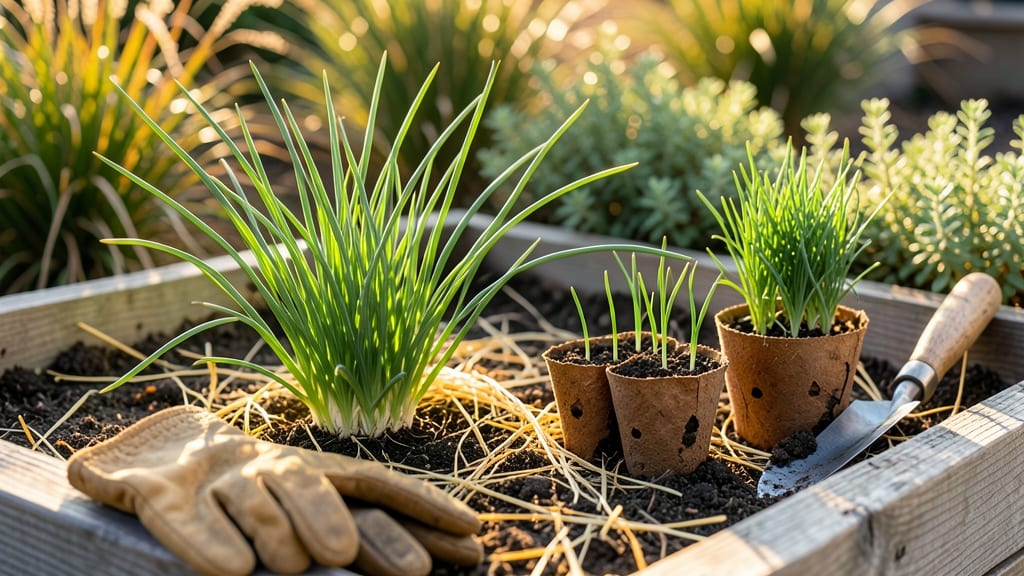
Planting chives in Texas at the wrong time can mean wasted effort—those delicate 🌿 chives either bolt in summer heat or freeze before they establish roots. But here’s the secret: timing your chives for either fall or early spring gives you two harvests a year with almost no extra work.
Texas’s varied climate zones—from 8a to 10b—mean the "perfect" window shifts depending on where you live. In North Texas, aim for September-October to beat early freezes, while South Texas gardeners can stretch planting into November.
The key is beating the first frost while giving chives time to root before summer’s scorching heat.
Whether you’re growing chives in containers or garden beds, this two-season strategy works like magic. You’ll get fresh, flavorful greens in spring and fall, with minimal fuss. Let’s break down exactly when—and how—to plant for maximum success.
Ready to turn your Texas garden into a chive powerhouse? I’ll walk you through the best planting windows, soil prep tricks, and even how to protect your chives from Texas’s worst pests. No more guesswork—just year-round harvests!
Texas chive planting calendar: ideal fall vs. early spring timing
Texas gardeners know chives thrive in mild temperatures, so timing is critical to avoid bolting or frost damage. The ideal windows are fall (September-October) and early spring (February-March), but your USDA zone in Texas dictates exact dates.
In North Texas (Zone 8a), for example, you’ll want to plant by October 15 to establish roots before winter chill sets in.
Southern Texas (Zone 10b) offers more flexibility—you can even plant year-round with minimal risk of frost. However, summer planting requires extra shade and water to prevent heat stress.
The key is aligning your planting schedule with last frost dates: aim for 6-8 weeks before the first expected frost in your area.
For container gardening, timing shifts slightly. Containers warm up faster in spring, so you can plant 2-3 weeks earlier than in-ground beds. Conversely, containers also cool down quicker in fall, so extend your fall window by 1-2 weeks compared to garden beds.
This adaptability makes chives perfect for balcony gardens or patio planters in urban Texas.
| Factor | Fall Planting (Sep-Oct) | Spring Planting (Feb-Mar) |
|---|---|---|
| Best For | Year-round harvests; cooler roots | Early spring harvests; avoids summer bolting |
| USDA Zone 8a | Plant by Oct 15 | Plant by Mar 15 |
| USDA Zone 10b | Plant by Nov 1 | Plant by Apr 15 |
| Soil Temp | 60-70°F (ideal) | 55-65°F (ideal) |
| Container Adjustment | Plant 2 weeks earlier | Plant 3 weeks earlier |
| Heat Risk | Low (cool nights) | Moderate (spring heat) |
If you’re in Central Texas (Zone 8b), treat fall planting like a race against time. The first frost often hits by December 15, so focus on September planting to give chives time to establish.
In East Texas (Zone 8a), where humidity spikes, prioritize well-draining soil to prevent root rot—a common issue after heavy rains.
For extreme years, like the 2021 Texas freeze, adjust your timing. If forecasts predict unusually cold winters, plant chives in containers and move them to protected spots (like near south-facing walls) or indoors near a bright window.
This flexible approach ensures you’re never left without fresh chives, even in unpredictable climates.
Pro tip: Mark your calendar for Texas A&M AgriLife Extension frost alerts. Their localized forecasts can shift your planting window by 1-2 weeks in critical years. For example, if they predict an early frost in Zone 9a, plant chives by September 1 instead of waiting until October.
Once planted, chives in Texas reward patience with year-round harvests. Fall-planted chives often survive mild winters and regrow in spring, while spring-planted varieties bolt less in summer’s heat. The secret? Consistent moisture and partial shade during peak Texas summers (June-August).
Don’t overlook microclimates in your area. A shaded patio might stay 5-10°F cooler than your garden bed, extending your planting window by 2-3 weeks. Use this to your advantage—plant early spring chives on patios while garden beds wait for warmer soil temperatures.
Finally, test your soil before planting. Texas soils range from clay-heavy (retains moisture) to sandy (drains too fast). Amend with compost or pearlite to create the ideal loamy texture chives love. A simple pH test (aim for 6.0-7.0) ensures your chives absorb nutrients efficiently.
With the right timing and a little Texas gardening ingenuity, your chives will thrive year-round—no matter if you’re in freeze-prone North Texas or tropical South Texas. 🌿
Texas chive planting calendar: ideal fall vs. early spring timing
Texas gardeners face a unique challenge with chives—they can't afford to plant too early or too late. In North Texas (Zones 7b-8a), the last frost typically hits around January 31, while South Texas (Zones 9a-10b) rarely sees frost.
This means your planting strategy must adapt to your region to avoid heat stress or winter damage.
For fall planting, aim for September to October—this gives chives time to establish roots before winter. In spring, plant between February and March to avoid the hottest summer months when chives can bolt prematurely. These windows ensure your chives thrive year-round with minimal stress.
| Season | Planting Window | USDA Zones | Key Considerations |
|---|---|---|---|
| Fall | September–October | 8a–10b | Establish roots before winter; mulch to protect from light freezes. |
| Spring | February–March | 8a–10b | Avoid planting after March 15 to prevent summer bolting. |
| Extreme Heat Adjustment | August (North Texas only) | 8a–9a | Use shade cloth (30–50%) to prevent heat stress. |
If you're in Zone 8a or colder, prioritize fall planting—chives planted in late September can survive mild winters and produce harvests as early as March. In Zone 10b, you can plant chives year-round, but spring and fall still yield the best results due to consistent temperatures.
Pro tip: Use a soil thermometer to confirm soil temps are above 50°F before planting. Chives won’t germinate well in cooler soil, so wait until conditions are ideal. This small step can make the difference between thriving plants and slow starts.
For container gardening, align your planting schedule with the same principles—just ensure containers have drainage holes to prevent root rot in Texas’s heavy clay soils. Containers also allow you to move chives to shaded areas during peak summer heat, extending their growing season.
Remember, chives are perennial in Texas, meaning they’ll return year after year if cared for properly. By sticking to these planting windows, you’ll enjoy fresh chives for 10+ months annually, with minimal maintenance after the initial setup.