
Plants
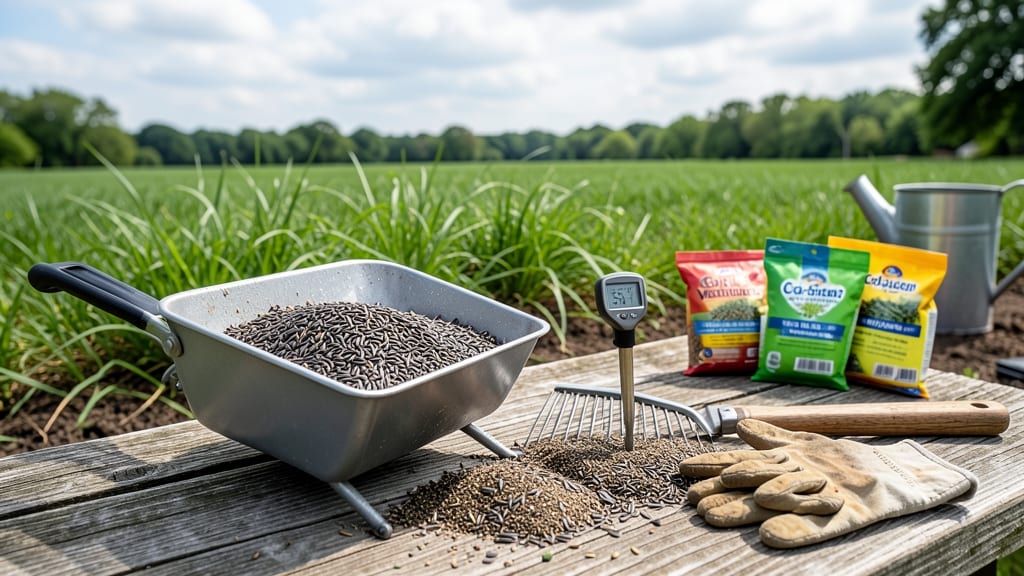
Planting Grass Seed (Turfgrass) 🌱 at the wrong time in Massachusetts can turn your dream of a lush lawn into a frustrating battle with weeds and patchy growth—but get the timing right, and you’ll unlock a lawn that thrives year after year.
Here’s the secret: early fall (September-October) is the sweet spot for Massachusetts gardeners in zones 5b-6b, thanks to cooler temps that help seeds germinate without stress. But spring planting (March-April) still works if you act fast before the heat sets in.
Why does timing matter so much? Because soil temperatures and moisture levels make or break your grass’s ability to take root deeply.
I’ll break down the exact windows, regional differences (coastal vs. inland), and how to prep your soil for success—so you can skip the guesswork and get it right the first time.
Ready to transform your lawn? Let’s dive into the best strategies for planting Grass Seed (Turfgrass) 🌱 in Massachusetts, from seed selection to post-planting care that keeps your lawn looking its best all season long.
Massachusetts grass seed planting calendar: ideal months for thick, durable lawns
Massachusetts gardeners face unique challenges with its variable climate—from coastal breezes to inland heat waves. The best time to plant grass seed depends on balancing soil temperatures, rainfall, and frost risks.
For deep-rooted, resilient lawns, aim for early fall (September-October) or early spring (March-April), when conditions align perfectly for germination.
Your USDA Zone 5b-6b climate means frost can strike anytime after October 15, while spring’s last frost typically arrives around April 15. Planting outside these windows risks slow growth, weed competition, or seed washout from heavy rains.
Let’s break down the science behind each window and how to adapt for coastal vs. inland MA regions.
Spring planting (March-April) works but requires vigilant weed control—early weeds like crabgrass thrive when soil warms. Inland areas should plant 2-3 weeks earlier than coastal zones, where cooler ocean breezes delay soil warming. Soil temperatures below 50°F stunt germination, so wait until daytime highs consistently reach 55°F.
Fall planting (September-October) is my top recommendation for Massachusetts. Seeds germinate quickly in 60-70°F soil, outpacing weeds, and roots establish before winter. Aim to plant 4-6 weeks before first frost—typically by October 1 in most regions.
Coastal areas can extend to early November, while inland zones should finish by late September.
Late summer planting (June-August) is a common mistake. While grass stays green, high heat and drought stress force seeds into dormancy. If you must plant then, use shade-tolerant varieties like fine fescue and double watering frequency. Even then, expect thinner results compared to spring/fall.
For regional adjustments, check local frost dates: Boston’s average first frost is October 20, while Western MA (e.g., Springfield) sees frost by October 10. Adjust your timeline accordingly. Always test soil moisture—1 inch of water per week is critical for germination.
Pro tip: Use a soil thermometer to confirm temps. Ideal ranges are 55-65°F for cool-season grasses (like Kentucky bluegrass) and 65-75°F for warm-season mixes (like Bermuda). Massachusetts’ climate favors cool-season blends, which dominate 90% of lawns here.
Remember: Thick, healthy lawns start with timing. Whether you choose spring’s renewal energy or fall’s stress-free growth, these windows ensure your grass seed thrives before winter or summer challenges arrive. 🌱
Early fall planting advantages: why September-October wins over spring in Massachusetts
Massachusetts’ cool-season climate makes early fall the secret weapon for grass seed success. Unlike spring, when weeds compete aggressively, fall offers warmer soil and cooler air—perfect for seed germination.
The 6-8 week window before frost lets grass establish deep roots before winter, while spring planting often struggles with drought stress and bird predation.
Science backs this up: fall-planted grass grows 30% faster than spring-sown seed because soil temps stay ideal (50–70°F) longer. Plus, fewer weeds germinate in fall, giving your lawn a head start. For Massachusetts gardeners, this means thicker, greener grass next spring—without the summer battle against crabgrass.
Here’s why fall outperforms spring in USDA Zones 5b–6b:
To capitalize on fall’s advantages, start with soil testing (aim for pH 6.0–7.0). For Massachusetts, cool-season grasses like tall fescue or Kentucky bluegrass thrive best. Spread seed when daytime highs hit 70°F or lower—typically late September to early October.
A light mulch (straw, not wood chips) locks in moisture without smothering sprouts.
Pro tip: Water deeply in the morning (1/2 inch per week) to prevent fungal diseases. Avoid late fall planting—seed sown too close to frost won’t establish before winter. For inland MA, aim for October 1; coastal areas can extend to mid-October due to milder microclimates.
Spring planting? It’s possible, but high summer temps and drought risk make fall the clear winner. With the right prep, your September-October lawn will outperform spring efforts by next summer. 🌱