
Companion Plants
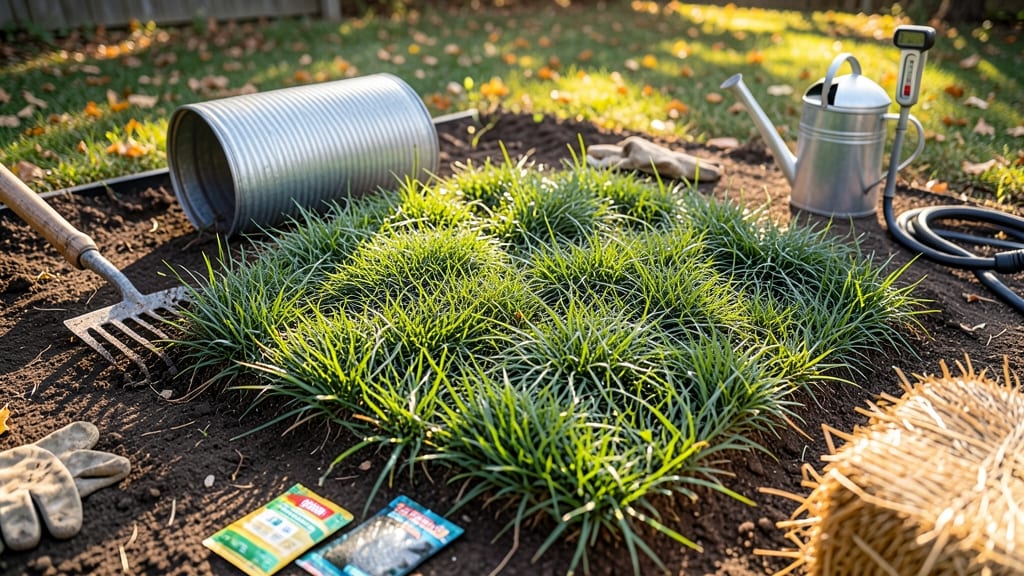
Planting grass seed in Michigan at the right time can mean the difference between a lush, fast-germinating lawn and a frustrating battle with frost and weeds. With the state’s USDA zones 5-6 and unpredictable spring weather, timing is everything—especially when cool-season grasses need soil temperatures between 50-55°F to thrive.
Most Michigan gardeners swear by early spring or fall planting, but getting it wrong can leave your yard patchy or overrun by weeds. I’ve seen firsthand how a late frost or early heatwave can derail even the best-laid plans.
The key? Understanding your region’s frost dates and soil conditions to plant when the odds are in your favor.
In this guide, I’ll break down the exact windows for planting—from the Upper Peninsula’s cooler climate to the Lower Peninsula’s slightly milder springs—and share pro tips to adjust for Michigan’s quirks.
Whether you’re seeding in March or waiting for September, you’ll learn how to prep your soil, protect your seed, and keep weeds at bay for a lawn that establishes quickly and stays green.
Ready to skip the guesswork? Let’s dive into the science-backed schedule that’ll have your grass seed sprouting in 10-21 days—no matter what Michigan throws your way.
Michigan grass seed planting dates by region (soil temp & frost guidelines)
Michigan’s USDA zones 5-6 create distinct planting windows, with the Upper Peninsula (UP) often facing 2-3 weeks later than the Lower Peninsula. Cool-season grasses like Kentucky bluegrass and tall fescue thrive in Michigan’s climate, while warm-season options like Bermuda grass are rare due to short summers.
Timing hinges on soil temperatures (ideal: 50-55°F) and frost-free windows.
For most of Michigan, early spring (March-April) and early fall (September-October) are prime planting periods. However, southern Michigan (e.g., Detroit, Ann Arbor) can start 2 weeks earlier than northern regions (e.g., Traverse City, Marquette). Always check your last frost date—planting 4-6 weeks before ensures seeds germinate before winter’s return.
Here’s how Michigan’s regions break down for optimal grass seed planting:
| Region | USDA Zone | Last Frost Date | First Frost Date | Optimal Planting Window | Soil Temp Threshold |
|---|---|---|---|---|---|
| Southern Michigan (Detroit, Ann Arbor) | Zone 6a | April 10 | October 20 | March 15 – April 15 September 1 – September 30 |
50-55°F |
| Central Michigan (Lansing, Grand Rapids) | Zone 5b-6a | April 15 | October 15 | March 30 – May 1 September 15 – October 10 |
50-55°F |
| Northern Michigan (Traverse City, Petoskey) | Zone 5a-5b | May 1 | October 5 | April 15 – May 15 September 1 – September 20 |
50-55°F |
| Upper Peninsula (Marquette, Houghton) | Zone 4b-5a | May 10 | September 25 | April 30 – June 1 August 20 – September 10 |
55-60°F (warmer soil needed) |
Southern Michigan’s earlier frost dates mean you can start planting as early as mid-March, while the UP’s shorter growing season demands patience—wait until late April to avoid frost damage. Use a soil thermometer ($10 at garden centers) to confirm temperatures before planting; seeds won’t germinate below 50°F.
Fall planting in Michigan offers a second chance for lush lawns. Seeds sown in September-October establish roots before winter, emerging stronger in spring. Aim for 6-8 weeks before your region’s first frost date to allow germination and early root growth.
For example, Detroit’s October 20 frost date means September 1 is ideal.
Cool-season grasses like Kentucky bluegrass dominate Michigan lawns because they thrive in 60-75°F temperatures and tolerate cold. Warm-season grasses like Zoysia (rare in Michigan) need soil temps above 65°F and struggle with our short summers. Stick to cool-season blends for reliable results.
Pro tip: If you’re in a transition zone (e.g., northern Lower Peninsula), opt for tall fescue mixes—they germinate faster (7-14 days) than Kentucky bluegrass (14-21 days) and handle Michigan’s variable spring weather better. Always check the seed bag for "Michigan-friendly" labels or cool-season grass blends.
For real-time updates, bookmark the Michigan State University Extension’s frost date map ([extension.msu.edu](https://www.canr.msu.edu)) or use the Old Farmer’s Almanac app for localized forecasts. These tools adjust for microclimates (e.g., urban areas warm up faster than rural zones).
🌱
How to adjust grass seed planting for Michigan’s unpredictable weather patterns
Michigan’s late frosts and early heatwaves can derail even the best-laid grass-seeding plans. The key is flexibility—adjusting your timeline based on soil temperature, weather forecasts, and grass seed variety.
Cool-season grasses like Kentucky bluegrass and tall fescue thrive when soil hits 50–55°F, while warm-season types (like Bermuda grass) need 65°F+. Most Michigan gardeners stick to cool-season varieties, so timing around frost is critical.
If your last frost date slips past April 15 (common in northern Michigan), wait until soil warms to 50°F—even if it’s May. Use a soil thermometer to check depths of 2–4 inches.
Pro tip: Black plastic mulch can warm soil by 5–10°F in 1–2 weeks if frost lingers. Just remove it before seeding to avoid smothering sprouts.
Watch for heatwave warnings too. Seeding in 80°F+ soil can cause seeds to dry out before germinating.
If temperatures spike, delay planting until evening or water deeply twice daily (morning and late afternoon). Shade cloth (30–50% coverage) can protect seeds during extreme heat, but remove it once germination starts to avoid fungal risks.
Rainfall is another wildcard. Heavy downpours can wash seeds away or create waterlogged soil, while drought conditions leave seeds high and dry. Aim for consistent moisture—not soggy soil—by watering lightly 2–3 times/day for 10–15 minutes until seeds sprout.
A light straw mulch (¼ inch thick) helps retain moisture without suffocating seeds.
⚠️ Callout Warning: Common Mistakes to Avoid
Planting after herbicide application: Many pre-emergent herbicides (like crabgrass preventer) can kill grass seed for 3–6 months. Always wait 90+ days post-herbicide before seeding.
Ignoring soil pH: Michigan’s clay-heavy soils often test acidic (pH < 6.0). Lime applications take 2–3 months to adjust pH—test soil 4–6 weeks before planting to avoid delays.
Skipping frost dates: Even if soil is warm, a 28°F frost can kill new seedlings. Check the National Weather Service’s frost probability maps for your area before planting.
For late-season planting (August–September), choose drought-tolerant varieties like fine fescue or perennial ryegrass, which germinate faster in cooler soil. These types establish roots before winter, giving them a head start in spring. Just avoid seeding after September 15—new growth won’t harden off before frost.
Finally, seed variety matters. Tall fescue germinates in 7–14 days at ideal temps, while Kentucky bluegrass takes 14–21 days. Mixing varieties (e.g., 50% tall fescue + 50% bluegrass) ensures faster coverage if one type struggles. Always buy Michigan-adapted seed mixes labeled for your region.