
Plants
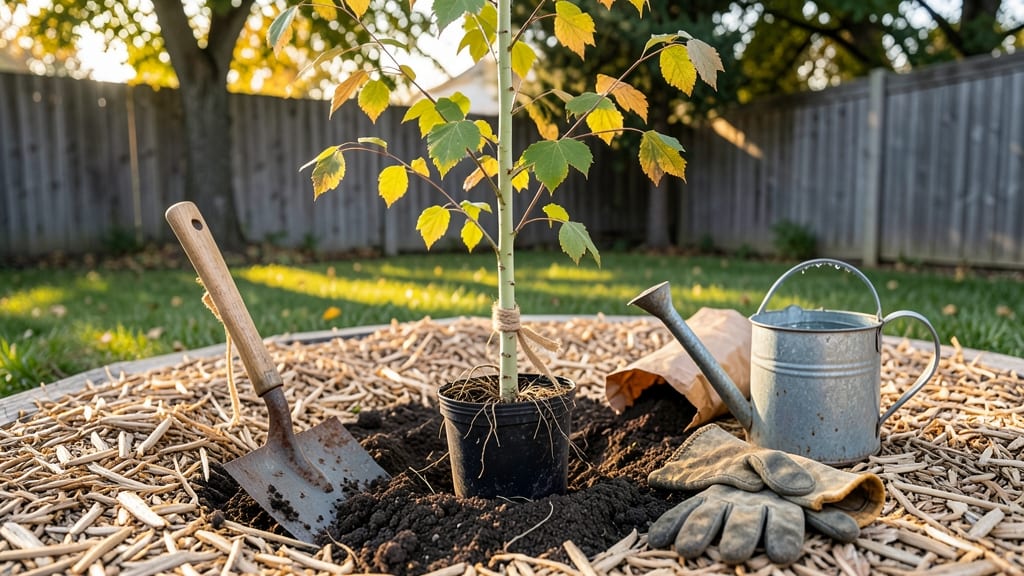
When is the best time to plant a tree in Colorado? It isn’t just about digging a hole—it’s about catching that perfect window between frost and freeze. Miss the timing, and your young 🌳 could spend years playing catch-up with roots instead of growing strong. The best time to plant depends on whether you’re working with bare-root saplings or container-grown trees, but both need Colorado’s golden moments: late winter through early spring or fall before hard frost sets in.
Why does timing matter so much? In USDA Zones 5-7, a tree planted too early faces frost heave (when soil freezes and lifts roots), while planting too late risks shallow roots that can’t survive winter.
The Front Range’s last frost typically hits around mid-April, but mountain areas can wait until May—so knowing your microclimate is key. Fall planting works too, but you’ve got to beat that first hard freeze, usually by mid-October.
I’ve seen firsthand how a well-timed planting transforms a struggling tree into a thriving giant. Whether you’re adding shade to your yard or restoring Colorado’s forests, the secret isn’t just the right soil or species—it’s giving your tree the ideal start.
Let’s break down exactly when and how to make it happen so your new 🌳 grows with confidence, not stress.
From choosing the right month to prepping your site, we’ll cover everything you need to avoid common mistakes and set your tree up for decades of success. Ready to plant with purpose? Let’s get started.
Colorado’s ideal tree planting windows: spring vs. fall timing explained
Colorado’s diverse climate—from high-altitude mountains to arid plains—means planting timing varies dramatically. The best windows are late spring (after last frost) or early fall (before hard freeze), but your exact dates depend on your USDA Zone (4-7) and elevation.
In Denver (Zone 5b), for example, last frost averages April 15, while Grand Junction (Zone 6a) sees it March 1. Timing wrong can leave young roots exposed to freeze-thaw cycles or summer drought.
Fall planting is often preferred for Colorado because cooler temps reduce transplant shock, and trees focus energy on root growth instead of leaves. Spring planting works best for bare-root trees (like blue spruce or quaking aspen) planted before buds swell.
Container-grown trees, however, can handle fall or spring with equal success. Let’s break down the optimal months for your region.
To pinpoint your exact planting window, check the Colorado State University Extension frost date maps or use the USDA Plant Hardiness Zone Map.
For example, Fort Collins (Zone 5a) has a last frost around April 22, while Albuquerque (Zone 7a) can plant as early as March 15. Pro tip: Bare-root trees should go in before buds swell—typically February–March for Colorado.
For container-grown trees, fall is ideal because they’ve spent summer developing roots in their pots. If planting in spring, avoid clay-heavy soils that stay cold longer—amend with compost or sand to improve drainage.
Evergreens like blue spruce or Ponderosa pine handle fall planting better than deciduous types, which may drop leaves too early if stressed.
Colorado’s Western Slope (e.g., Durango, Zone 6b) has earlier springs and warmer falls, so you can plant 1–2 weeks earlier than the Front Range. The Eastern Plains (e.g., Lamar, Zone 5b) face harsher winters, so fall planting must end by October 1 to avoid freeze damage.
Always water deeply after planting—new roots need moisture to penetrate compacted soil.
One critical mistake Colorado gardeners make is planting too early in February or March before the ground thaws. Cold, waterlogged soil can suffocate roots. Instead, wait until you can dig 6–8 inches deep without hitting frozen ground.
For high-altitude sites (8,000+ ft), like Aspen or Leadville, delay until May 1 to avoid late snow or frost pockets.
If you’re in a windy area (e.g., Front Range foothills), choose wind-tolerant species like green ash or Russian olive, and stake young trees for the first year. In urban Denver, where heat islands delay frost, you might plant 2 weeks later than rural areas.
Always mulch heavily (3–4 inches) to retain moisture and insulate roots during temperature swings.
For bare-root trees, soak roots for 4–6 hours before planting to revive dormant roots. Container-grown trees need their root balls watered the day before transplanting. After planting,
Colorado’s ideal tree planting windows: spring vs. fall timing explained
Colorado’s diverse climate zones (USDA 4-7) mean timing matters more than ever. Planting too early risks frost damage, while waiting too late can stunt root growth.
The ideal windows are late spring (after last frost) or early fall (before hard freeze), but exact dates vary by elevation and region.
For Front Range cities like Denver or Boulder, aim for April 15–May 15 (spring) or September 15–October 15 (fall). Higher elevations (e.g., Aspen or Vail) shift these windows 2–4 weeks later due to later frost dates.
Check your local last-frost averages via the Colorado Climate Center or USDA Plant Hardiness Map.
Spring planting gives trees 6–8 weeks of warm soil for root establishment before winter. Fall planting (6–8 weeks before freeze) lets roots grow without competing with top growth. Both strategies work—just avoid extreme heat or drought periods.
🌳 Colorado Tree Planting Windows
| Season | Ideal Months | Key Considerations |
|---|---|---|
| Spring | April–May | After last frost; soil temps above 50°F |
| Fall | September–October | 6–8 weeks before hard freeze; cool temps |
| Avoid | June–August | Extreme heat/drought stress; transplant shock risk |
Evergreens like blue spruce or ponderosa pine prefer fall planting to establish roots before winter dormancy. Deciduous trees (e.g., aspen or cottonwood) thrive with spring planting to capitalize on early growth. Always water deeply after planting—Colorado’s dry soils demand extra moisture for root development.
For container-grown trees, spring planting works year-round, but bare-root trees must be planted dormant (late winter/early spring). Mulch heavily (3–4 inches) to retain moisture and insulate roots during Colorado’s temperature swings. Avoid mulching too close to the trunk to prevent rot.
Timing isn’t just about months—it’s about soil conditions. Test your soil’s drainage and pH (ideal: 6.0–7.5) before planting. Amend clay soils with compost or sand to prevent waterlogging, a common issue in Eastern Plains areas. Prioritize well-draining sites to avoid root suffocation.
Colorado’s microclimates create nuances even within regions. Western Slope areas (e.g., Grand Junction) can plant 2 weeks earlier than Front Range due to lower humidity. Use local nurseries’ expertise to tailor timing to your specific elevation and aspect—sunny south-facing slopes warm faster than shady north-facing sites.