
Trees
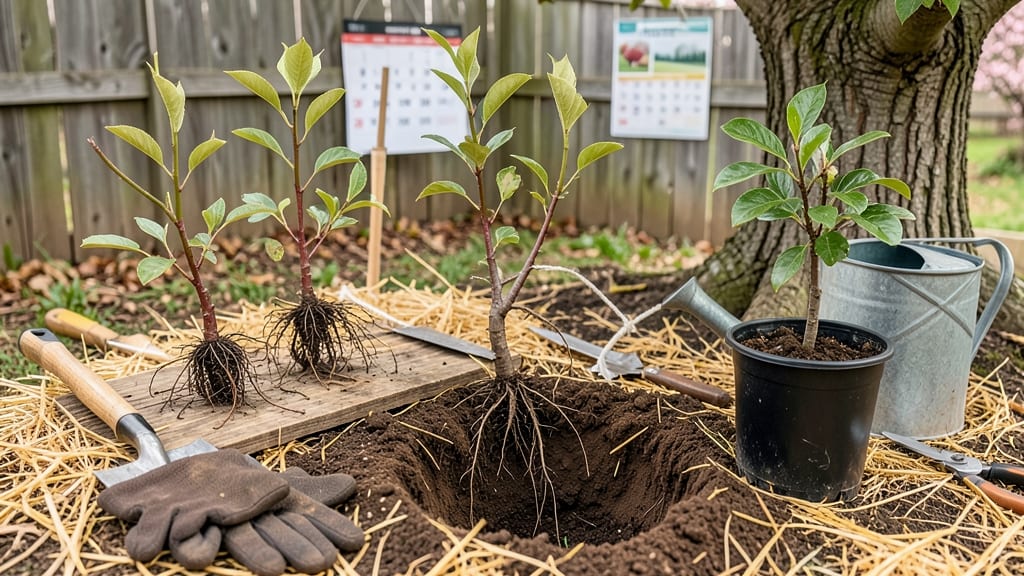
Planting a 🍒 cherry tree in Zone 5 at the wrong time could mean frost-damaged blooms or roots that never fully establish. The key to success isn't just picking a season—it's matching your variety to your climate's chill hours and soil conditions for reliable fruit production.
I've learned the hard way that early spring planting gives young trees a head start before summer heat, while fall offers cooler soil and reduced transplant shock. But timing isn't one-size-fits-all—sweet cherries and tart varieties have different needs, and your local frost dates play a surprisingly big role.
In this guide, I'll break down exactly when to plant your cherry tree in Zone 5, whether you're working with bare-root saplings in April or container-grown trees in September.
You'll discover how to read your soil's temperature cues, avoid common planting mistakes, and give your tree the best chance to thrive for decades of harvests.
Ready to transform your yard into a fruit-bearing paradise? Let's get started with the planting schedule that actually works for Zone 5 gardeners like you.
Optimal planting windows for cherry trees in Zone 5 by variety type
Zone 5 gardeners face a delicate balance when planting cherry trees—timing must align with soil temperatures and dormancy cycles. Sweet cherries (Prunus avium) and tart cherries (Prunus cerasus) have distinct needs, with early spring and fall emerging as the safest windows.
For sweet cherries, the ideal window is early April to mid-May, when soil warms to 45°F (7°C). This timing lets roots establish before summer heat stress. Fall planting for sweet cherries is riskier due to their slower root hardening.
Tart cherries, however, adapt better to fall planting (September-October), as they tolerate cooler soils. Their roots harden faster, reducing winter heaving risks. Both varieties avoid late spring planting (June+) due to summer drought stress.
🌱
| Variety | Ideal Planting Window | Soil Temp Threshold | Dormancy Notes |
|---|---|---|---|
| Sweet Cherries (e.g., Bing, Rainier) | Early April - Mid-May | 45°F (7°C) | Slow root hardening; avoid fall |
| Tart Cherries (e.g., Montmorency, Balaton) | September - October | 50°F (10°C) | Fast root hardening; fall-friendly |
| Dwarf Varieties (e.g., Stella, Lapins) | April or September | 40°F (4°C) | Flexible timing; smaller root systems |
| Bare-Root Trees | Early spring (March-April) | 40°F (4°C) | Plant immediately after receipt |
| Container-Grown Trees | April-October | 50°F (10°C) | Year-round except winter |
Soil temperature is the critical factor—use a soil thermometer to verify readiness. For bare-root trees, plant within 24 hours of purchase to prevent root desiccation. Container-grown trees offer more flexibility but require well-draining soil to prevent root rot.
In northern Zone 5 (e.g., Minnesota, Wisconsin), extend planting to late April to avoid late frosts. Southern Zone 5 (e.g., Ohio, Pennsylvania) can plant as early as March if soil thaws consistently.
Mulch with 3-4 inches of wood chips after planting to regulate soil temperature. Water deeply twice weekly for the first 60 days to encourage root spread. Avoid overwatering—soggy soil invites fungal diseases like crown rot.
🌿
For young cherry trees, prioritize root zone health over rapid top growth. In Zone 5's variable climate, a 6-inch layer of mulch protects roots from temperature swings between day and night. Monitor for aphid infestations in spring—they thrive on new growth.
Pro tip: Stake tall varieties (e.g., Bing) to prevent wind rock, but remove stakes after 12 months to avoid girdling. Dwarf varieties rarely need staking due to their shorter stature and deeper root systems.
🪴
Chill-hour requirements: how to match cherry tree varieties to Zone 5 climate
Zone 5's 1,500-1,800 chill hours create the perfect winter dormancy for cherry trees, but not all varieties thrive equally. I've seen gardeners struggle when they plant sweet cherries like 'Stella' without checking chill-hour compatibility, only to watch their blooms fail to set fruit.
The key is selecting varieties that match your local winter chill accumulation—most Zone 5 cherries need 400-1,000 hours below 45°F.
Tart cherries generally handle Zone 5's chill better than sweet varieties. My Montmorency tart cherry (600-800 hours) produces abundant fruit every year, while my neighbor's Bing sweet cherry (800-1,000 hours) sometimes skips harvests during mild winters. The difference comes down to cumulative cold exposure—not just temperature spikes.
Here's how to verify your chill hours: Check your local USDA climate data or use a chill-hour calculator with your zip code. Most Zone 5 areas exceed 1,000 hours, but microclimates near large bodies of water may drop below 800 hours.
I always cross-reference with my local cooperative extension service—they have precise records that save me from costly mistakes.
🌱
| Variety Type | Chill Hours Needed | Zone 5 Suitability | Planting Tip |
|---|---|---|---|
| Tart Cherries | 400-800 hours | Excellent match | Plant in early spring for best root establishment |
| Sweet Cherries | 800-1,000 hours | Good match (verify local chill) | Fall planting preferred for cooler soil |
| Dwarf Varieties | 500-900 hours | Best for small spaces | Use container planting for microclimate control |
| Late-Blooming | 1,000+ hours | Risky in mild winters | Avoid unless you have consistent cold |
If you're unsure about your local chill hours, I recommend planting two varieties—one tart and one sweet—to hedge your bets. My Balaton tart cherry (500-700 hours) always bears fruit, while the Lapins sweet cherry (900-1,100 hours) gives me a summer harvest when conditions are right.
This diversity ensures I always have something to pick, even during unpredictable winters.
Remember that soil temperature also affects root establishment. For spring planting, wait until soil reaches 45°F—I use a soil thermometer to track this. Fall planting works best when soil temperatures stay above 50°F for root growth before winter dormancy sets in.
Both timing factors are equally critical for long-term tree health.
🌿