
Plants
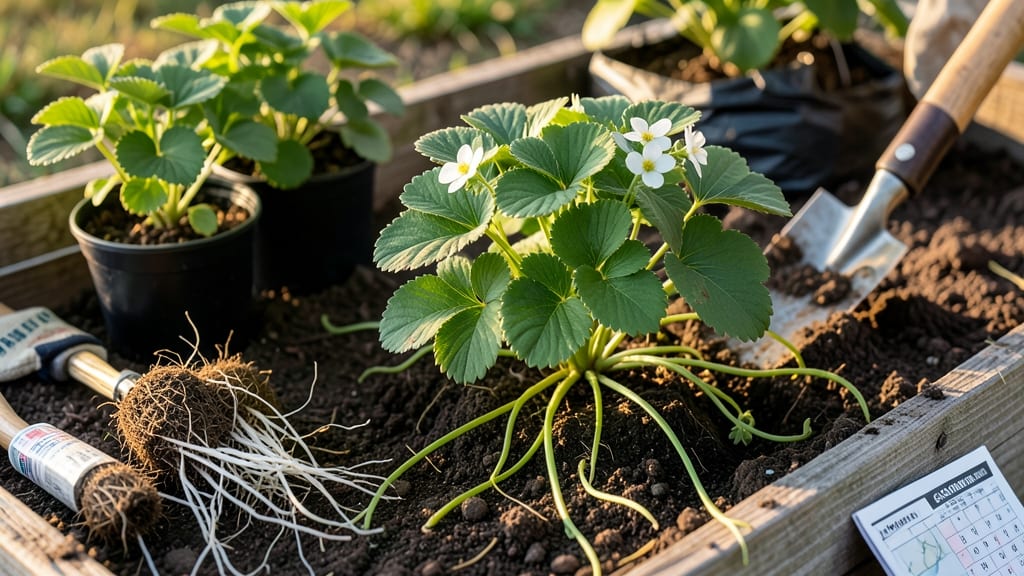
Planting strawberries in Virginia at the wrong time can leave you with bitter fruit—or worse, no harvest at all. The key to sweet, juicy 🍓 strawberries lies in matching your planting window to Virginia’s chill-hour zones, where a single misstep means wasted effort.
Most Virginia gardeners know the basics: early spring or late summer are the go-to times. But here’s the catch—June-bearing varieties need 6a-8a winters to ripen properly, while everbearing types thrive with shorter cold snaps.
Even a week too early can expose tender roots to frost, while planting too late risks stunted growth.
In this guide, I’ll break down the exact planting timeline for Virginia, from soil prep to transplanting, so you avoid common mistakes like overwatering or ignoring microclimates. Whether you’re growing in Richmond’s heat or Roanoke’s cooler hills, timing is everything for a bountiful harvest.
Ready to transform your garden into a strawberry patch? Let’s dive into the perfect planting schedule that’ll have you picking ripe berries by May or September—without the guesswork.
Virginia’s chill-hour zones: matching strawberry varieties for optimal ripening
Virginia’s climate spans USDA zones 6a through 8a, creating distinct chill-hour requirements for strawberries. June-bearing varieties need 500–1,000 chill hours to fruit well, while everbearing and day-neutral types thrive with 300–500 chill hours.
In Northern Virginia (6a–7a), winter chill is deeper, while Tidewater (8a) sees milder winters—critical for selecting the right strawberry type.
For Northern Virginia (e.g., Roanoke, Blacksburg), plant June-bearing varieties like Chandler or Jewel for their high chill tolerance.
In Central Virginia (e.g., Charlottesville, Lynchburg), everbearing varieties such as Seascape or Tristar balance chill needs with extended harvests. Tidewater (e.g., Norfolk, Virginia Beach) gardeners should opt for day-neutral varieties like Albion or Fort Laramie to avoid winter dormancy issues.
Timing matters too: June-bearing strawberries planted in early spring (March–April) yield best, while everbearing/day-neutral types planted in late summer (July–August) produce fruit the following year. Microclimates matter—mountainous areas (e.g., Blue Ridge) may need earlier planting due to colder springs.
| Virginia Region | USDA Zone | Chill Hours | Best Varieties | Planting Window |
|---|---|---|---|---|
| Northern VA (Roanoke, Blacksburg) | 6a–7a | 800–1,000 | Chandler, Jewel | March–April |
| Central VA (Charlottesville, Lynchburg) | 7a–7b | 500–800 | Seascape, Tristar | March–April or July–August |
| Tidewater (Norfolk, Virginia Beach) | 8a | 300–500 | Albion, Fort Laramie | July–August |
Soil preparation is just as critical as variety selection. Virginia’s sandy loam soils (common in Piedmont) drain too quickly, while clay-heavy soils (Tidewater) retain moisture poorly.
Amend soil with compost or aged manure to achieve the ideal pH of 5.5–6.5. Raised beds are ideal for urban gardeners in Richmond or Arlington, where compacted soil limits root growth.
Mulching with straw or pine needles after planting conserves moisture and regulates soil temperature. In cooler microclimates (e.g., Shenandoah Valley), add an extra layer of mulch to protect crowns during late-winter thaws. Avoid plastic mulch—it traps heat and can burn tender strawberry leaves.
For container gardening in Virginia’s cities, choose day-neutral varieties like Ozark Beauty, which tolerate urban heat islands. Use large pots (12+ inches deep) with drainage holes and a well-draining potting mix.
Containers warm up faster, so monitor soil moisture closely—daily watering may be needed in summer heat.
Finally, avoid planting strawberries in the same spot yearly—they’re prone to verticillium wilt. Rotate crops with alliums (onions, garlic), which naturally suppress diseases. In Northern Virginia, this means planning a 3-year crop rotation cycle to maintain soil health.
By matching your st
Step-by-step planting timeline for Virginia strawberries: when to start seeds vs. transplants
Timing your strawberry planting in Virginia depends on whether you’re starting from seeds, bare-root transplants, or potted plants. For June-bearing varieties, early spring is critical, while everbearing and day-neutral types offer flexibility with late summer plantings.
Urban gardeners in Richmond or Norfolk can adjust for microclimates, but cooler areas like Roanoke need earlier starts.
If you’re growing from seeds indoors, begin them 8–10 weeks before your target transplant date. For a spring harvest, this means starting seeds in January or February for transplanting in March.
For a fall harvest, start seeds in June to transplant in July. Bare-root transplants, however, are easier and faster—simply plant them 4–6 weeks before the last expected frost.
For container gardening in cities, choose day-neutral varieties like Albion or Seascape, which thrive in pots and produce fruit continuously. Use 5-gallon containers with drainage holes and fill with a lightweight potting mix. Plant in late March or early July to avoid frost damage.
In cooler microclimates like the Blue Ridge Mountains, opt for June-bearing varieties planted in early March to ensure they receive enough chill hours (700–1,000 hours). Use black plastic mulch to warm the soil faster and extend the growing season. Avoid planting in low-lying areas, where frost lingers longer.
Always check your local frost dates—Virginia’s last frost can vary by 2–3 weeks depending on elevation. For example, Norfolk typically sees its last frost by March 10, while Blacksburg may experience frost until April 1. Adjust your timeline accordingly to maximize your harvest.
After planting, water deeply and apply a 2–3 inch layer of straw mulch to retain moisture and suppress weeds. This is especially important in drought-prone areas like the Piedmont region, where summer heat can stress young plants.