
Plants
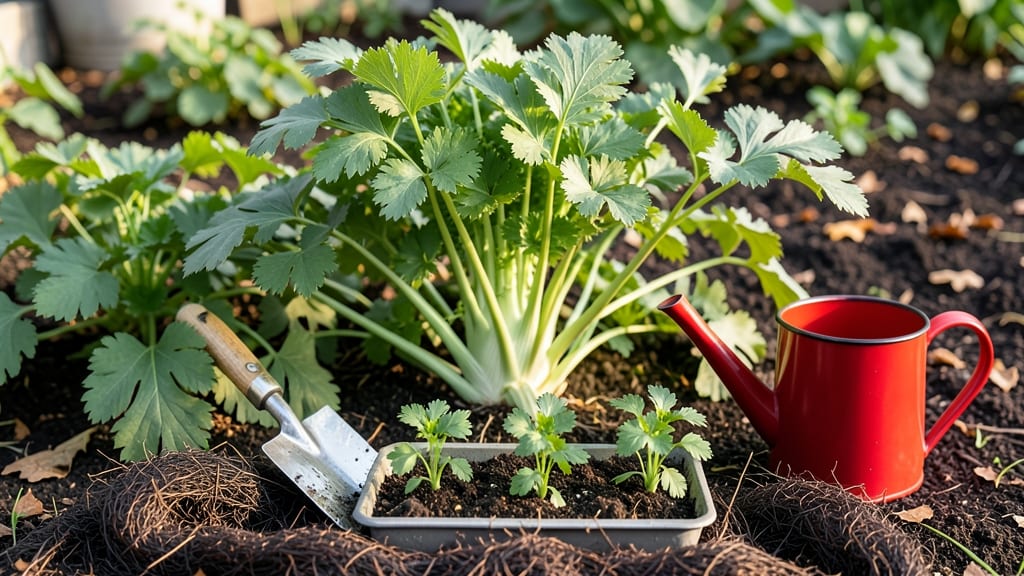
Planting celery in North Carolina at the wrong time means watching your hard work wither before it even ripens. The key to success lies in understanding NC’s frost-free windows—because celery, with its 120-160 day growing season, needs just the right timing to thrive in zones 7a-8b.
Most gardeners in NC know spring and fall are the prime seasons, but the exact dates can make or break your harvest. Whether you're starting seeds indoors or transplanting seedlings, getting this right ensures you’ll enjoy crisp, homegrown 🥬 by May or October.
Let’s break down the best planting windows and how to protect your crop from late frosts.
If you’ve ever struggled with celery that bolts in the heat or freezes before maturing, you’re not alone. The solution? Planting at the perfect moment—February-March for spring and August-September for fall—while using row covers or cold frames to extend the season.
I’ll show you exactly how to time it right for your region.
Ready to grow celery that’s sweeter and more abundant than store-bought? The secret starts with the calendar—and I’ve got the exact dates you need for your NC garden.
NC frost-free windows for celery planting by region
Timing your celery planting in North Carolina hinges on understanding your region’s frost dates. The Tar Heel State spans USDA zones 5b-8a, meaning frost risks vary dramatically from the coastal plains to the mountains.
In Eastern NC (zone 8a), you’ll have a longer growing window, while Western NC (zone 5b) faces earlier frosts. Let’s break down the best planting windows for each region to ensure your celery thrives.
For Eastern NC, including Raleigh and Wilmington, the last frost date typically falls around March 15, giving you a head start. In the Piedmont region (Charlotte, Greensboro), expect your last frost around March 20-25.
Meanwhile, Mountain NC (Asheville, Boone) holds onto frost until April 5-10. These dates are your planting deadlines—miss them, and your celery may not mature before summer heat sets in.
Here’s the golden rule: Plant celery seeds indoors 8-10 weeks before your last frost date or transplant seedlings after the danger of frost has passed. For Eastern NC, that means starting seeds in January or transplanting by mid-March.
In Western NC, hold off until late March or early April to avoid frost damage.
North Carolina also offers a fall planting window for late-summer harvests. Aim to plant seeds indoors in July and transplant seedlings by mid-August in Eastern NC. For Piedmont and Mountain regions, push your fall transplanting to late August to avoid early frosts.
This second planting ensures you enjoy fresh celery into November before winter sets in.
The key to success lies in succession planting. Since celery takes 120-160 days to mature, stagger your plantings every 2-3 weeks in spring and 3-4 weeks in fall.
This method guarantees a continuous harvest and minimizes the risk of losing your entire crop to unpredictable frosts or summer heat.
Let’s dive into a region-by-region breakdown of your celery planting windows, including direct-sow vs. transplant timing, to help you plan like a pro.
| Region | USDA Zone | Last Frost Date | Spring Planting Window | Fall Planting Window |
|---|---|---|---|---|
| Eastern NC (Raleigh, Wilmington) | 8a | March 15 | Start seeds: Jan 15 Transplant: Mid-March |
Start seeds: July 15 Transplant: Mid-August |
| Piedmont (Charlotte, Greensboro) | 7a-7b | March 20-25 | Start seeds: Jan 30 Transplant: Late March |
Start seeds: July 30 Transplant: Late August |
| Mountain (Asheville, Boone) | 5b-6a | April 5-10 | Start seeds: Feb 15 Transplant: Early April |
Start seeds: Aug 15 Transplant: Early Sept |
If you’re direct sowing celery seeds outdoors, add 2-3 weeks to these timelines. Direct-sown celery germinates slowly (14-21 days) and struggles in hot soil, so starting seeds indoors gives them a competitive edge. Use biodegradable pots to avoid transplant shock when moving seedlings to your garden.
One critical mistake many NC gardeners make is planting celery too early. Cool soil and late frosts can stunt growth or kill seedlings outright. Always check your local frost dates using resources like the NC State Extension or Almanac’s Frost Calculator.
For extra safety, use row covers or a mini greenhouse to protect young plants until they’re established.
For coastal NC, where humidity is higher, opt for self-blanching varieties like Golden Self-Blanching. These varieties handle moisture better and are less prone to disease in humid climates. In contrast, Mountain NC’s drier air suits tall celery varieties like Ut
Best celery varieties for NC gardens & their planting times
Not all celery varieties thrive equally in North Carolina’s humid summers and unpredictable frost dates. Some types bolt quickly in heat, while others struggle with our short growing seasons.
Choosing the right variety ensures a successful harvest between May and November. Let’s break down the best options for your NC garden.
For tall, crisp stalks, try Utah Improved or Tall Utah varieties—these are classic choices that do well in cooler spring and fall months. If you prefer celeriac (the knobby root celery), Magnum and Presto are excellent picks, though they need longer growing seasons to mature fully.
Self-blanching varieties like Golden Self-Blanching are a game-changer for NC gardeners. They develop tender, pale stalks without requiring tedious tying or shading. This variety thrives in partial shade and tolerates summer heat better than traditional types.
If you’re planting in the Piedmont region, prioritize early spring (February-March) or late summer (August-September) for most varieties. Coastal areas can push planting slightly later due to warmer microclimates, while the Mountains may need to start seeds indoors earlier to avoid late frosts.
For summer planting, focus on self-blanching types like Golden Self-Blanching—they handle NC’s heat better and mature faster. Avoid traditional celery in peak summer; it often bolts or develops bitter flavors in temperatures above 85°F.
Pro tip: Pair your celery with companion plants like beans or lettuce to maximize space and improve soil health. Just remember—consistent moisture is key, especially during NC’s dry spells in late spring and early fall.