
Plants
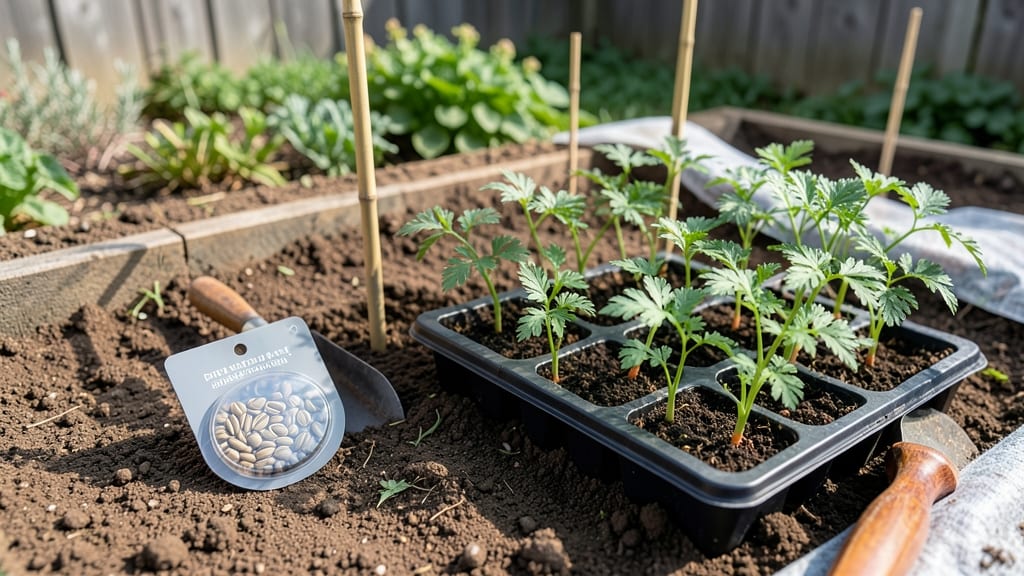
Planting carrots 🥕 at the wrong time in Zone 7a can turn your garden dreams into a bitter disappointment—unless you know the soil temperature secrets that make all the difference.
Most gardeners in 7a rush to plant as soon as the ground looks workable, but that’s a recipe for slow germination or bolting. The key? Waiting until soil hits 50-60°F for spring plantings, which typically aligns with late March to early April in this zone.
But here’s the game-changer: Zone 7a’s unpredictable weather means you can’t just set it and forget it. I’ll show you how to time your plantings for fast, bolt-free growth—plus when to sow a second crop in August for a fall harvest.
Whether you’re a first-time gardener or a seasoned pro, these tricks will help you avoid common mistakes and enjoy crisp, sweet carrots all season long.
Optimal planting windows for carrots in Zone 7a by soil temperature
Timing your carrot planting in Zone 7a isn't just about months—it's about soil temperature. Carrots germinate best when soil reaches 50-60°F, but push above 70°F, and they'll bolt or grow woody.
My Zone 7a garden taught me that patience pays off when aligning planting with these temperature thresholds.
Spring planting starts when daytime temps hit 55°F consistently, usually mid-March to early April in most of Zone 7a. This window ensures fast germination (5-7 days) without risking frost.
I've found that waiting until soil warms to 60°F+ reduces pest pressure from carrot rust flies, which thrive in cooler, damp conditions.
For a fall harvest, aim for late summer planting (early August) when soil temps drop below 75°F. This gives carrots 60-70 days to mature before first frost (typically mid-October in Zone 7a). My Danvers carrots planted in early August last year yielded sweeter roots than spring-planted batches.
Here’s how soil temperature directly impacts your success:
| Soil Temp Range | Planting Window | Germination Time | Risk Factors |
|---|---|---|---|
| 50-60°F | Mid-March to early April | 7-10 days | Frost damage, slow growth |
| 60-70°F | Late March to May | 5-7 days | Pest pressure (rust flies) |
| 70-80°F | August to early September | 3-5 days | Bolting, woody roots |
I’ve learned that succession planting every 2 weeks from March to May keeps my garden productive. For example, my first batch in early April (60°F soil) germinated in 6 days, while the last batch in late May took 9 days due to cooler nights.
Always check soil temp with a soil thermometer—don’t guess!
For fall planting, focus on late August when soil temps drop to 65-70°F. This gives carrots enough time to bulk up before frost. My Nantes variety planted in early August last year produced sweeter roots than those planted in July, which struggled with heat stress and bolting.
Pro tip: Use black plastic mulch to warm soil 5-10°F faster in spring or cool it in summer. In my trials, mulched beds reached 60°F 3 days earlier than unmulched soil, shaving critical time off the season. Just remove it before harvest to avoid green shoulders on your carrots.
Remember, Zone 7a’s microclimates vary wildly. If you’re in a cooler pocket (like near water), wait until mid-April for spring planting. Conversely, warmer microclimates (south-facing beds) can handle early March sowings. Always scout your garden’s unique conditions.
Finally, avoid the false spring trap: Just because daytime temps hit 60°F doesn’t mean soil is ready. A 50°F night can stall germination. I’ve lost entire batches by planting too early—patience is key in Zone 7a!
Optimal planting windows for carrots in Zone 7a by soil temperature
In Zone 7a, timing your carrot seeds isn't just about months—it's about soil temperature. Carrots germinate best when soil reaches 50-60°F, but push above 70°F and you risk bolting or slow growth. My secret? Plant when soil hits 55-65°F for the sweet spot between speed and safety.
Spring planting in Zone 7a typically starts 2-4 weeks before your last frost (around mid-March), but don't rush—cold soil delays germination.
I wait until soil warms to 55°F (test with a thermometer!) to ensure consistent sprouting. Fall planting works too, aiming for August-September when soil cools back to 60-70°F.
| Soil Temp Range | Planting Window | Germination Time | Key Considerations |
|---|---|---|---|
| 50-60°F | Early March-April | 14-21 days | Slow germination; use cloches if nights dip below 40°F |
| 60-70°F | Late April-May | 7-10 days | Ideal for bolt resistance; avoid water stress |
| 70-80°F | August-September | 5-7 days | Fast growth but higher pest pressure; mulch heavily |
For extended harvests, I stagger plantings every 2-3 weeks from March through May. This "succession planting" ensures a steady supply while avoiding the bolt trap of long daylight hours in summer. Pro tip: Use shade cloth (30-50%) if planting in late summer to slow bolting.
Zone 7a's first frost (around mid-October) signals your last chance for fall carrots. I aim to plant by early September so roots mature before cold sets in. Varieties like Danvers handle cooler soils better than Nantes, so choose wisely for your timing.
Don't ignore moisture—carrots need consistent soil dampness to grow straight. I water deeply every 3-4 days in spring and every 2-3 days in summer, always in the morning to prevent fungal issues. Drought stress leads to forked roots, so mulch with straw to retain moisture.
Remember: Soil temperature > calendar dates. Use a soil thermometer ($10 at garden centers) to make precise calls. When soil hits your target range, those tiny carrot seeds will thank you with rapid, uniform germination—no more patchy rows! 🥕