
Plants
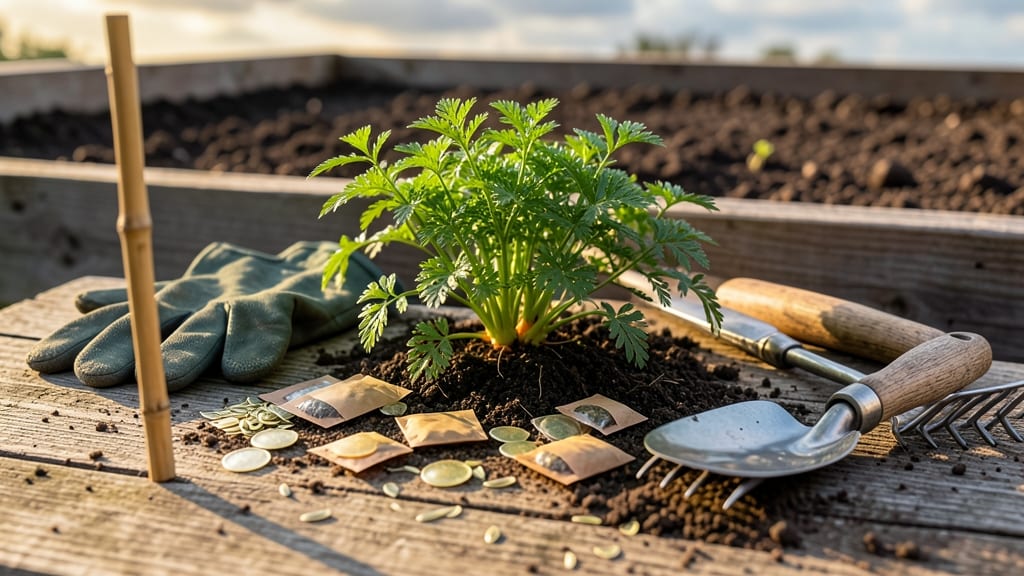
Planting carrots in Georgia might seem tricky with its warm winters and long summers, but getting the timing right can mean the difference between sweet, crisp roots and bitter, stunted failures.
The key is understanding your specific heat zone—whether you're in cooler 7a or warmer 8b—because those 210 frost-free days work differently for each area.
Most gardeners in Georgia swear by two planting windows: late February through early April for spring harvests and late July through early September for fall crops. These timings align perfectly with soil temperatures and daylight hours, giving your 🥕 the best chance to grow straight and flavorful.
What I’ve learned from years of trial and error is that planting too early can lead to leggy, leafy carrots, while waiting too late risks bolting before they mature.
The solution? Start seeds indoors 4-6 weeks before your last frost date—or direct sow when soil temps hit 50°F—and always choose varieties suited for your zone.
Ready to grow perfect carrots? I’ll walk you through the exact steps, from soil prep to pest control, so you can enjoy a steady harvest from May through November. Let’s get those seeds in the ground the right way!
Georgia heat zones & carrot planting calendar: best months by Zone
Georgia’s diverse climate—spanning USDA zones 7a to 8b—means your carrot planting schedule should align with your specific heat zone. In cooler Zone 7a (northwest GA), you’ll have a shorter growing window, while Zone 8b (southeast GA) enjoys nearly year-round growing potential.
The key is planting when soil temperatures hover between 55-75°F for optimal germination and root development.
Most gardeners in Georgia focus on two main planting windows: early spring (February–April) and late summer (July–September). Spring carrots thrive in cooler weather, while fall plantings avoid summer’s scorching heat.
However, Zone 8a and 8b gardeners can even try winter plantings (November–January) for early spring harvests, though yields may be smaller.
Here’s the breakdown by zone—use this as your frost-free planting guide to time your carrot crop perfectly:
For Zone 8a and 8b gardeners, fall plantings can stretch into October for late-season harvests, but avoid planting after September 15th—roots may develop a woody texture in Georgia’s hot late summers.
In Zone 7a, prioritize spring plantings and use row covers to extend the season if you attempt fall crops.
Soil preparation is just as critical as timing. Georgia’s clay-heavy soils (common in central and southern regions) can cause forked or stunted carrots if not amended.
Work in 2–3 inches of compost or sand to loosen the soil before planting. In sandy soils (northwest GA), mix in organic matter to retain moisture.
One mistake I see often? Planting too early in Zone 7a when soils are still cold. Carrot seeds can take 2–3 weeks to germinate in cool conditions—wait until soil temps reach 60°F+ for faster sprouting. Use a seedling heat mat if you’re eager to start early!
Harvest timing varies by variety, but most Georgia-grown carrots are ready in 70–80 days. In Zone 8b, you might harvest spring-planted carrots as early as late April, while Zone 7a gardeners should aim for mid-May harvests.
Fall crops in Zone 8a can yield carrots by early November if planted in late July.
🌿 Remember: Carrots planted in late summer (August) often produce sweeter roots because they mature during Georgia’s cooler fall weather—perfect for holiday harvests!
Spring vs. fall carrot planting in Georgia: which yields sweeter roots?
Choosing between spring and fall planting for carrots in Georgia can drastically impact your harvest. Spring plantings (February-April) give you a May-June crop, while fall (July-September) yields October-November roots. The difference? Soil temperatures and daylight hours play starring roles in flavor and growth.
Spring carrots often develop sweeter flavors because cooler soil slows growth, concentrating natural sugars. However, they’re more vulnerable to bolt when warm weather arrives. Fall plantings avoid this by maturing before winter, but require careful timing to beat the first frost (usually mid-November).
I’ve found that Danvers and Nantes varieties excel in spring, while Chantenay and Paris Market handle fall’s shorter season better. The key is matching your heat zone to the right variety—more on that in a moment.
• Sweeter roots from cooler soil
• Longer harvest window (May-June)
• Fewer pests early in season
• Risk of bolting in heat
• Soil compaction from winter rain
• Slower early growth
• Avoids bolting with cooler temps
• Softer soil for straighter roots
• Fewer weeds in late season
• Shorter harvest window
• Pest pressure from fall insects
• Frost risk if delayed
For Zone 7a gardeners, I recommend starting spring carrots in late February and fall plantings in early August. In warmer Zone 8b, shift spring to March and fall to mid-August to avoid summer heat stress.
Both seasons offer rewards—spring for volume, fall for flavor—but your local microclimate dictates the best approach.
Pro tip: Use black plastic mulch in spring to warm soil faster, or straw mulch in fall to insulate roots. These tricks help extend both planting windows by 2-3 weeks on either end.
Regardless of season, always thin seedlings to 2-3 inches apart—crowding leads to forked roots, a Georgia gardener’s worst nightmare. With the right timing, you’ll enjoy crisp, homegrown carrots from May through November! 🥕