
Plants
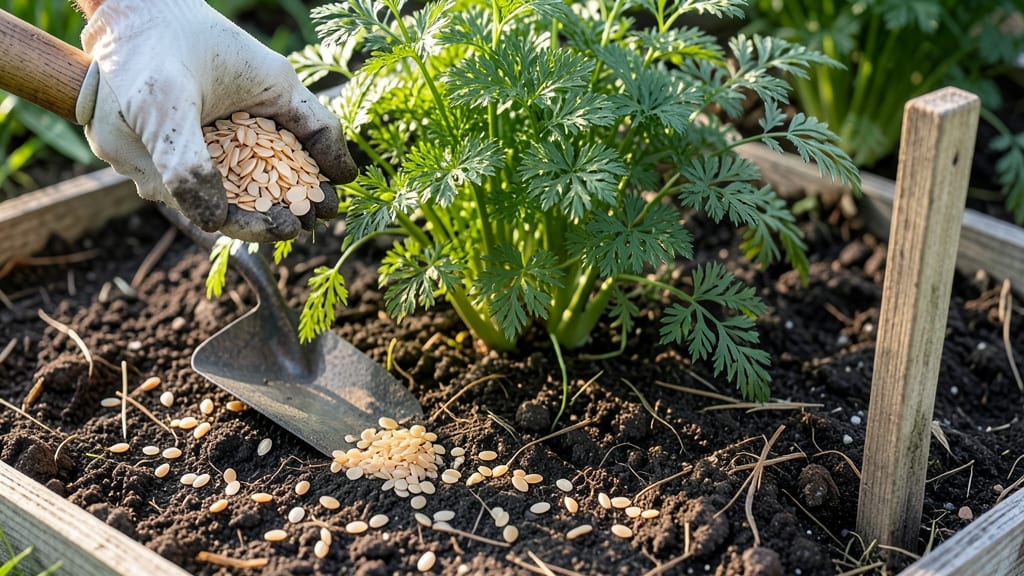
Planting carrots in fall isn't just about timing—it's about unlocking sweeter, more tender roots that avoid the bitter taste of summer heat. The key? Getting them in the ground when soil temperatures hover between 50°F and 65°F, a window that varies wildly depending on where you live.
In USDA Zone 6a, like much of the Midwest, that means starting seeds in early August—4-6 weeks before frost—to ensure they mature before winter sets in.
But if you're in a warmer climate, you might have a second chance in late October. The secret? Cool soil prevents bolting, while daylight length triggers steady growth.
Why bother with fall carrots? They're less prone to pests, develop deeper flavor, and often yield straighter roots in loose autumn soil. I'll walk you through the exact soil temperature rules, variety picks, and a simple checklist to guarantee a harvest that rivals spring-planted crops.
Skip the guesswork—let's dive into the science of fall carrot planting so you can enjoy that first crisp bite before the snow flies.
Fall carrot planting timeline: exact soil temperature rules for zero-bolt growth
Timing is everything when planting fall carrots. The key to avoiding bolting (when carrots flower prematurely) lies in soil temperatures between 50°F and 65°F. Plant too early, and your carrots may taste bitter.
Too late, and they won’t mature before frost. Let’s break down the perfect window for your USDA zone.
Carrots thrive in cooler weather, but they need consistent warmth to germinate. If your soil is below 50°F, seeds may rot. If it’s above 80°F, they’ll bolt.
Aim for late summer to early fall, typically 4-6 weeks before your first frost date. This ensures 60-80 days of growth before winter sets in.
| USDA Zone | Ideal Planting Window | Soil Temp Range (°F) | First Frost Date |
|---|---|---|---|
| Zones 3-5 | Mid-August to early September | 50-60°F | Mid-October |
| Zones 6-7 | Late August to mid-September | 55-65°F | Late October |
| Zones 8-10 | September to early October | 60-70°F | Mid-November |
For Zones 3-5, start seeds indoors 4-6 weeks before your last frost date. Transplant seedlings outdoors when soil reaches 50°F. In Zones 6-7, direct-sow seeds in late August for a harvest before hard frost. Warmer zones (8-10) can plant until early October.
Use a soil thermometer to check temperatures. If your soil is too warm, wait a week or two. If it’s too cold, consider row covers to maintain warmth. Daylight length also matters—carrots need 12-14 hours of daylight to mature properly.
Pro tip: Plant successive crops every 2-3 weeks for a continuous harvest. This extends your growing season and reduces waste. For example, if you plant August 15th, follow up with September 1st and September 15th batches.
If you’re in a warmer microclimate (like near a building or black soil), you can push planting to early October. However, avoid planting after September 15th in most regions, as bolting risk increases with shorter days and cooler nights.
For container gardening, use deep pots (12+ inches) and plant 1-2 weeks earlier than in-ground carrots. Containers warm up faster, so monitor soil temps closely. Black pots absorb heat better, helping maintain ideal temperatures.
Finally, mulch heavily after planting to insulate soil and retain moisture. Use straw or shredded leaves—avoid fresh grass clippings, which can mat down and smother seedlings. This keeps roots consistently moist and warm enough to grow.
With these soil temperature rules and zone-specific timing, you’ll grow sweet, crisp carrots all fall long—no bitter surprises! 🥕
Fall carrot planting timeline: exact soil temperature rules for zero-bolt growth
Timing your fall carrot planting isn't just about dates—it's about soil temperatures between 50°F and 65°F. This sweet spot prevents bolting (when carrots flower prematurely) while ensuring steady growth.
In my USDA Zone 6a garden, I've learned that planting too early (when soil is still warm) triggers bolting, while waiting too long risks roots not maturing before frost.
Here's the golden rule: Start seeds 4-6 weeks before your first frost date. For most of the U.S., this lands in early August through early October. But don't just guess—use a soil thermometer to confirm temperatures. I keep mine buried 2 inches deep for accurate readings.
The magic window varies by zone. In Zone 5 or colder, aim for mid-August planting. Warmer zones (like Zone 7+) can extend planting until late September or even early October. The key is ensuring 60-80 days of growth before hard frost hits.
🌱 Fall Carrot Planting by USDA Zone
| Zone | Planting Window | Soil Temp Goal | Frost Buffer |
|---|---|---|---|
| 3-4 | Late July - Early August | 50-55°F | 6-8 weeks |
| 5-6 | Early August - Early September | 55-60°F | 5-6 weeks |
| 7-8 | Mid-August - Late September | 60-65°F | 4-5 weeks |
| 9-10 | Late August - Early October | 65°F+ | 3-4 weeks |
Note: Adjust for early/late frosts by checking your local last frost date and counting backward.
Pro tip: If your soil runs hotter than 70°F, wait until evening temps drop before planting. I've had success using shade cloth for the first week to help cool the soil.
For transplants (not seeds), you can push the window slightly later—just ensure they have 4-6 weeks of growth left before frost.
Don't forget about daylight length. Shorter autumn days signal carrots to focus on root growth rather than foliage. This natural shift helps produce those sweet, crisp roots we all love. My best harvests come when I plant in September, balancing cool soil and optimal daylight.
For a foolproof approach, mark your calendar 60 days before your first frost and work backward. This gives you your latest possible planting date. I always set reminders because fall planting windows are shorter than spring—once you miss them, you're out of luck until next year.