
Planting
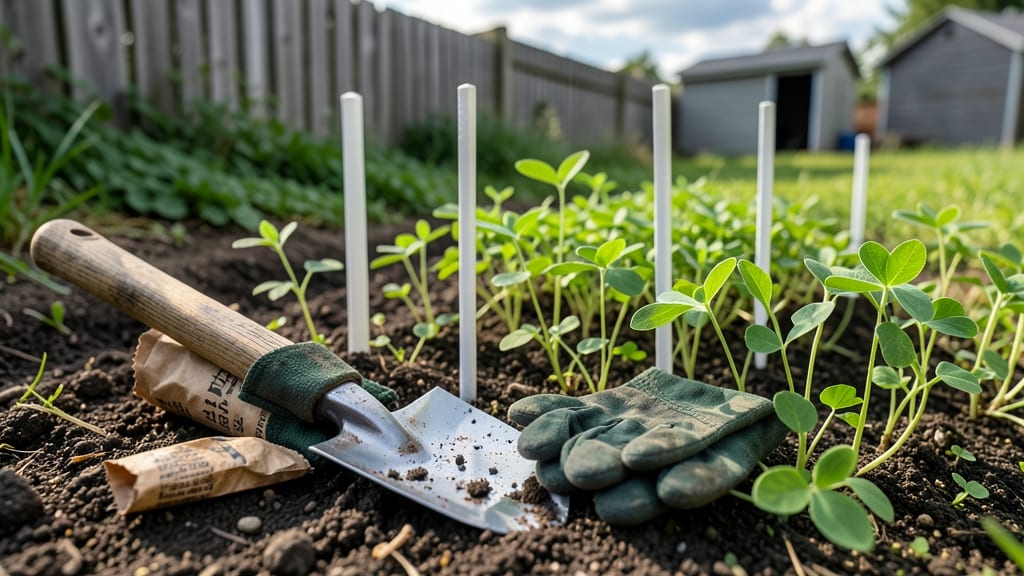
Planting alfalfa in the fall might seem counterintuitive, but getting the timing right can give your 🌱 alfalfa a head start for next year's harvest. The key lies in soil temperatures—when they dip into that sweet 50-60°F range, roots establish faster before winter dormancy kicks in.
Most gardeners assume spring planting is the only way, but fall offers a strategic advantage: cooler temps reduce stress on young seedlings, and established roots overwinter better. In USDA Zone 6a, that means aiming for late August to early September—just 4-6 weeks before your first frost date.
I’ve learned the hard way that rushing it leads to weak growth, while planting too late risks frost damage. The secret? Monitor soil temps with a simple thermometer and adjust based on your local climate. Let me walk you through exactly how to time it perfectly for your region.
You’ll discover why fall planting can mean faster spring regrowth, plus pro tips to protect your investment from winter’s worst. Ready to set your alfalfa up for success?
Optimal soil temperature ranges for fall alfalfa planting
Alfalfa thrives when planted in fall soil temperatures between 50°F and 60°F. This sweet spot ensures rapid root establishment before winter dormancy kicks in. If you plant too early, seeds may rot; too late, and roots won’t harden enough for cold weather.
Think of it like goldilocks conditions—just right for alfalfa’s growth cycle.
In most regions, this translates to late August through early October, but exact timing depends on your local climate. For example, gardeners in USDA Zone 5 should aim for early September, while those in Zone 8 might push planting until mid-October.
Always check your last frost date and plan to sow seeds 4-6 weeks before frost arrives.
To measure soil temperature accurately, use a soil thermometer buried 2-3 inches deep. Morning readings (between 9-11 AM) are most reliable since soil warms up during the day. If your soil is below 50°F, wait a few days—alfalfa seeds need warmth to germinate efficiently.
Pro tip: Warm soil speeds germination by up to 30%, so don’t rush the process.
Regional variations matter! Coastal areas with milder winters (like California’s Zone 9) can plant alfalfa as late as November, while colder inland zones (like Minnesota’s Zone 4) should plant by mid-September. High-altitude gardens may need to adjust by 1-2 weeks earlier due to cooler temperatures at higher elevations.
If you’re unsure about your soil’s readiness, conduct a simple test: Press your finger into the soil. If it feels cool but not icy and crumbles easily, it’s likely in the ideal range.
Avoid planting if the ground is firm or waterlogged, as this can suffocate young roots. Always prioritize well-draining soil to prevent rot.
🌱 Alfalfa Soil Temperature Guide
| Temperature Range | Planting Window | Germination Risk | Action |
|---|---|---|---|
| 40-49°F | Avoid planting | High rot risk | Wait for warmer soil |
| 50-60°F | Ideal planting time | Low risk, fast growth | Proceed with planting |
| 61-70°F | Early fall only | Moderate risk (drought) | Water deeply |
| Above 70°F | Not recommended | High drought stress | Switch to spring |
One common mistake is assuming air temperature reflects soil temperature. Soil stays warmer longer, especially in sunny locations. For example, a 60°F air temperature might correspond to 70°F soil on a sunny afternoon. Always check soil temp directly—it’s the only reliable indicator for alfalfa planting success.
If your soil is too cold, consider using black plastic mulch to warm it up by 5-10°F. Lay the mulch 1-2 weeks before planting to create a microclimate.
This trick works especially well in northern climates where fall cools down quickly. Just remember to remove the mulch after planting to avoid overheating young seedlings.
For gardeners in warmer southern zones, fall planting might feel risky due to lingering heat. In these areas, focus on late August plantings when daytime highs drop below 85°F.
Monitor your local heatwave forecasts—alfalfa seeds can dry out if exposed to consistent 90°F+ temperatures for more than a few days.
Finally, remember that alfalfa’s root system is its superpower. A well-established root system before winter means faster regrowth in spring and higher yields. By planting in the 50-60°F range, you’re giving your alfalfa the best shot at deep, hardy roots that can withstand frost and drought.
That’s the secret to fall planting success!
Optimal soil temperature ranges for fall alfalfa planting
Fall alfalfa planting hinges on soil temperature thresholds between 50°F and 60°F. This range ensures seeds germinate quickly but avoids the heat stress of summer or frost damage before roots establish.
In my experience, waiting until soil cools below 70°F prevents seedling scorch while still allowing 4-6 weeks of growth before winter dormancy.
Use a soil thermometer to measure 2 inches deep—the depth where alfalfa seeds germinate. Morning readings between 55°F and 60°F signal the perfect window.
In warmer climates (Zones 8-10), aim for late September to early October, while cooler regions (Zones 3-6) should plant mid-August to early September to avoid early frosts.
Here’s why soil temperature matters: Alfalfa roots grow best when soil is warm enough for microbial activity but not so hot that seeds dry out. A 50°F soil temp triggers germination, but roots need 60°F+ for robust growth. Cold soils (<45°F) delay sprouting and invite rot or fungal diseases.
Regional variations matter: Coastal areas with moderating ocean breezes may extend planting into late October, while inland zones should finish by mid-September. High-altitude gardens (e.g., USDA Zone 5 mountains) often need to plant 2 weeks earlier due to colder soils.
Pro tip: If your soil runs cooler than 50°F, warm it with black plastic mulch for 1–2 weeks before planting. This mimics the heat-retaining properties of southern climates and jumpstarts germination in cooler regions.
Remember, alfalfa’s taproots need time to penetrate 12+ inches deep before winter. Planting too late leaves roots vulnerable to freeze-thaw cycles, which can crack delicate structures. Aim for a 60-day growth window before your area’s average first frost.