
Plants
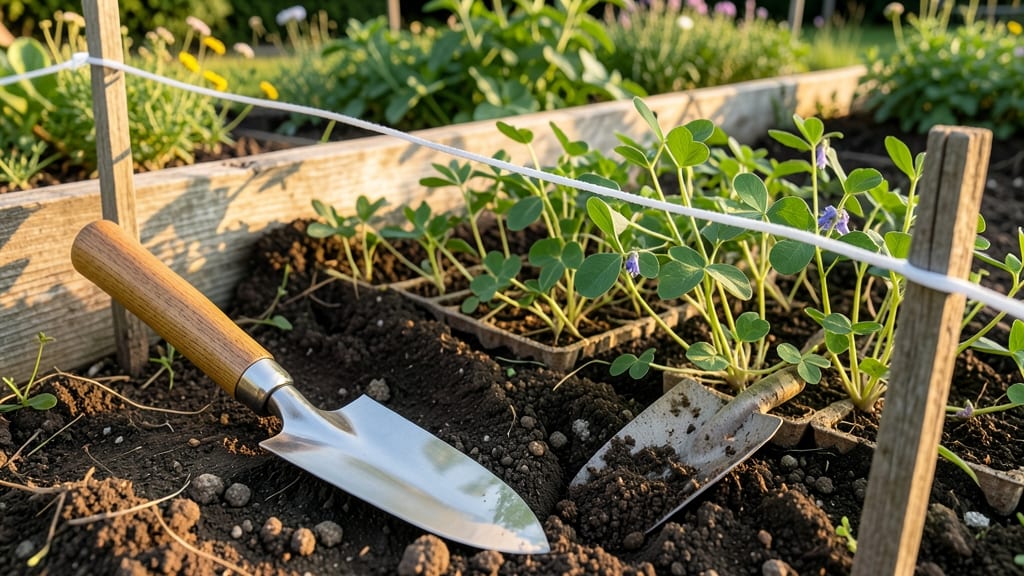
Planting alfalfa in Alabama at the wrong time can mean the difference between a thriving crop and one that struggles to take root. This hardy perennial 🌱 needs precise timing to establish strong roots before Alabama’s unpredictable weather swings into play.
Most Alabama gardeners swear by early spring planting between February and March, when soil temperatures finally warm up after winter. But fall is also a smart choice—just get those seeds in the ground by September or October before the first frost hits in mid-November.
Why does timing matter so much? Alfalfa hates soggy soil, and planting too late in spring risks summer drought stress. Meanwhile, fall planting gives roots a head start before winter dormancy. I’ll break down the exact windows, soil prep tips, and how to adjust for Alabama’s 7b-8b zones.
Whether you’re a first-time grower or a seasoned farmer, these insights will help you avoid common mistakes and maximize your alfalfa’s potential. Let’s get those seeds in the ground the right way!
Best planting times for alfalfa in Alabama: spring vs. fall guidelines
Alabama’s USDA zones 7b-8b create perfect conditions for alfalfa, but timing your planting is critical to avoid late frost damage or summer drought stress. The two best windows are early spring (February-March) and early fall (September-October), each with unique advantages for this hardy perennial.
For spring planting, aim for February 15-March 15 in northern Alabama or March 1-March 31 in southern regions. Soil temperatures should reach 50-60°F—critical for seed germination. Southern Alabama’s milder winters allow slightly later spring plantings, but don’t wait past April 1 to avoid summer heat stress.
Fall planting offers cooler soil temperatures and reduced weed competition. Target September 15-October 15, ensuring seeds germinate before first frost (mid-November). Northern Alabama’s shorter growing season demands earlier fall plantings, while southern areas can extend to October 30 safely.
Alabama’s regional microclimates matter: Northern counties (like Huntsville) face harsher winters and earlier frosts, while southern areas (like Mobile) enjoy longer growing seasons.
Use these last frost dates as your guide: March 15 (north) to March 30 (south) for spring, and November 10 (north) to November 25 (south) for fall.
| Planting Window | Soil Temp Requirement | Northern AL Dates | Southern AL Dates | Key Advantage |
|---|---|---|---|---|
| Early Spring | 50-60°F | Feb 15-Mar 15 | Mar 1-Mar 31 | Longer growing season |
| Early Fall | 60-70°F | Sep 15-Oct 15 | Sep 15-Oct 30 | Reduced weed pressure |
🌱 Pro Tip: Test soil temperature with a soil thermometer—alfalfa seeds won’t germinate below 50°F.
Adjust your planting schedule based on Alabama’s frost patterns. A late freeze after March 15 can devastate young seedlings, while planting too late in fall risks immature roots before winter dormancy.
For northern Alabama, September 1 is your cutoff for fall planting, while southern areas can push to October 15 safely.
Consider cover crops if you miss ideal windows. Plant rye or clover in late summer to protect soil and improve fertility for next year’s alfalfa. This is especially useful in sandy soils, where nutrients wash away quickly.
Alfalfa’s perennial nature means proper timing now pays off for years. A well-timed spring planting establishes roots before summer heat, while fall plantings avoid peak summer pests like aphids. Both strategies leverage Alabama’s humid subtropical climate to your advantage.
Monitor local Alabama Extension Service updates for real-time frost alerts. Their frost-free date maps adjust yearly—critical for planning. For example, Birmingham’s last frost now averages March 20, while Dothan’s is March 10.
If you’re new to alfalfa, start small with 100-200 sq ft to test your local timing. Use seed inoculant to ensure nitrogen-fixing bacteria colonize roots—essential in Alabama’s phosphorus-rich but nitrogen-poor soils.
Remember: Alfalfa’s first harvest won’t occur until 90-120 days after planting. Early spring plantings give you a head start, while fall plantings may yield smaller first harvests but stronger root systems for next year.
Best planting times for alfalfa in Alabama: spring vs. fall guidelines
Alabama’s 7b-8b climate zones create the perfect stage for alfalfa, but timing your planting is critical. The ideal windows are early spring (February-March) and early fall (September-October). These periods balance soil warmth, moisture, and frost risk—key factors for alfalfa’s success.
Spring planting gives your alfalfa a full growing season before winter dormancy, while fall planting allows roots to establish before cold temperatures set in. Both strategies work, but each has unique advantages depending on your location in Alabama—whether you’re in the cooler north or warmer south.
Here’s how to decide which season suits your alfalfa best, along with soil temperature guidelines and regional adjustments to avoid common pitfalls.
🌱 Alfalfa Planting Windows in Alabama
| Season | Best Months | Soil Temp (°F) | Key Considerations |
|---|---|---|---|
| Spring | February–March | 50–60°F | Avoid late freezes; plant after last frost (mid-March). Northern Alabama may need to wait until March. |
| Fall | September–October | 60–70°F | Seedlings need 6–8 weeks to establish before first frost (mid-November). Southern Alabama can plant later. |
🌡️ Use a soil thermometer to confirm readiness!
For spring planting, aim to get seeds in the ground as soon as soil temperatures consistently reach 50°F. In northern Alabama, this often means waiting until late February or early March to avoid frost damage.
If you plant too early, cold snaps can stunt germination or kill young seedlings.
Fall planting is trickier but rewarding. Seedlings need 6–8 weeks to develop strong roots before the first frost hits Alabama in mid-November. Southern regions can push planting to early October, while northern areas should finish by late September.
A row cover can extend your fall window by 2–3 weeks if frost threatens.
Regardless of season, avoid planting in summer—Alabama’s heat and drought stress can kill young alfalfa before it takes hold. If you miss spring or fall, your best bet is to wait until the following season rather than risk failure.
Pro tip: Test your soil’s moisture retention before planting. Alfalfa hates soggy conditions, so amending heavy clay soils with compost or sand is a game-changer for Alabama’s varied terrain. With the right timing and prep, your alfalfa will reward you with lush, nutrient-rich growth year after year. 🌱