
Plants
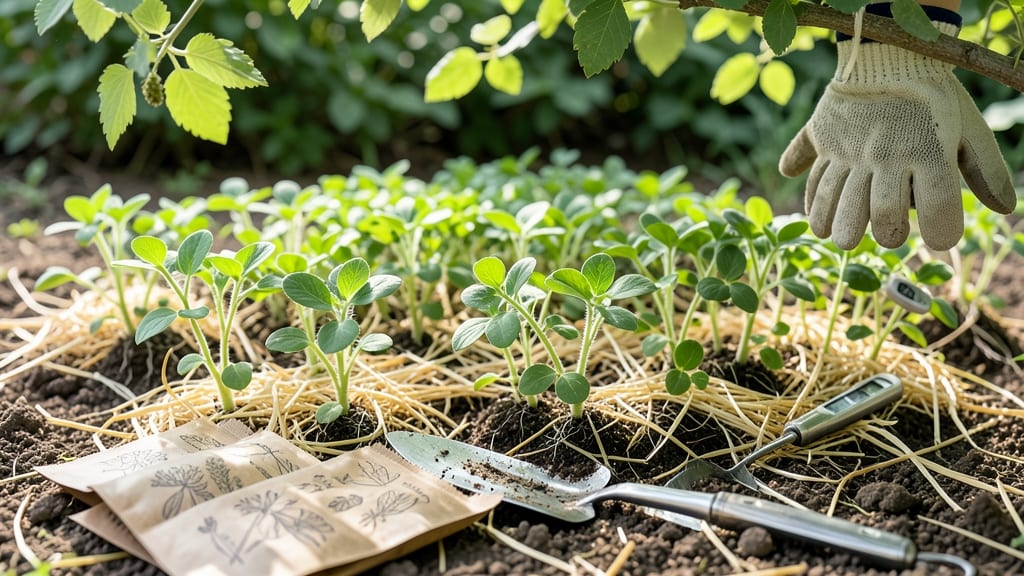
Planting alfalfa in the spring can feel like a gamble—too early, and frost will nip your seedlings in the bud; too late, and summer heat will leave you with stunted growth. The key to success lies in understanding your local climate and choosing the perfect timing for your zone.
If you're in USDA Zone 6a or similar, aim for early to mid-spring when soil temperatures hit 50°F and the last frost has passed. This window—typically March or April—gives your 🌱 alfalfa the best chance to establish strong roots before summer arrives.
But what if you're in a warmer region? The rules change.
I’ve tested different planting strategies over the years, and the difference between a thriving alfalfa patch and a failed attempt often comes down to one simple factor: soil prep and timing.
Whether you're a seasoned gardener or just starting out, these insights will help you avoid common mistakes and maximize your harvest.
Ready to grow lush, productive alfalfa? Let’s break down the exact steps—from soil temperature checks to frost risk management—that will set you up for a successful spring planting every time.
Optimal spring planting dates for alfalfa by USDA hardiness zones
Timing your alfalfa planting in spring is critical—get it wrong, and you’ll either lose seedlings to frost or struggle with poor growth in summer heat. The best window depends on your USDA hardiness zone, soil temperature, and last frost date.
For most regions, aim to plant 4-6 weeks before the last expected frost, but adjust based on your zone.
Alfalfa seeds germinate best in soil temperatures between 50°F and 60°F. If you plant too early, cold soil slows germination, while waiting too long risks heat stress. In Zone 3-4, start seeds indoors 6-8 weeks before the last frost or direct-sow in early April.
In Zone 5-6, late March to early April works best for outdoor planting.
Here’s how to align your planting with your zone for maximum success:
| USDA Zone | Last Frost Date | Ideal Planting Window | Soil Temp Goal | Notes |
|---|---|---|---|---|
| Zones 3-4 | Mid-May | Early April (indoors) or late April (outdoors) | 50-55°F | Use cold frames for early starts |
| Zones 5-6 | Mid-April | Late March to early April | 55-60°F | Direct sow after last frost |
| Zones 7-8 | Early March | February to early March | 60-65°F | Avoid summer heat stress |
| Zones 9-10 | December | Late fall or early spring | 65-70°F | Fall planting preferred |
For cold-hardy varieties like 'Moapa' or 'Ladak', you can push planting dates slightly earlier, especially in northern zones. These varieties tolerate light frost, giving you a 2-3 week buffer before the last frost. Always check your local frost calendar and monitor soil temperature with a thermometer for accuracy.
If you’re unsure about your zone, use the USDA Plant Hardiness Zone Map to find your exact location. Once you’ve identified your zone, adjust your planting date by 1-2 weeks earlier if your area has a history of late frosts.
For example, if your last frost is typically April 15, plant 4 weeks prior—around mid-March—for a safe margin.
Pro tip: Use black plastic mulch to warm the soil faster if you’re planting early. This can shave off 1-2 weeks of waiting time by raising soil temperatures by 5-10°F. Just remove the mulch once seedlings emerge to prevent overheating.
Alfalfa is a perennial crop, so establishing healthy roots early is key. If you plant too late, your first-year yield will suffer, and the plant may struggle to survive winter. Balance frost risk with soil warmth—this is the golden rule for alfalfa planting success.
For gardeners in Zone 5-6, where most home growers live, aim for late March to early April. This gives seedlings enough time to establish before summer heat arrives.
If you’re in a warmer zone (7-10), consider fall planting instead—alfalfa thrives in cooler weather and can bolt in summer heat.
Always test your soil temperature with a soil thermometer before planting. If it’s below 50°F, wait a few days. Patience now means stronger plants later—and that’s worth the wait! 🌱
5 Signs your spring alfalfa planting timing is perfect (or terrible)
Getting your alfalfa planting timing right in spring can mean the difference between lush, thriving plants and wasted seeds. Since alfalfa is sensitive to both frost and heat, watching for these 5 key signs will help you avoid costly mistakes.
Pay attention to your soil temperature, frost dates, and plant growth stages to ensure success.
First, check your soil temperature—it must reach at least 50°F (10°C) before planting. Use a soil thermometer to confirm, as cold soil can delay germination for weeks.
If your soil is still below this threshold, wait a few more days or even weeks, depending on your USDA hardiness zone. This is especially critical in northern climates where spring arrives later.
🌱 Numbered Highlights: Alfalfa Planting Timing Checklist
- 1. Soil Temperature: Must be 50-60°F (10-15°C) for germination
- 2. Frost Risk: Plant 2-3 weeks after last expected frost date
- 3. Seedling Stage: True leaves (not cotyledons) indicate healthy growth
- 4. Moisture Level: Soil should stay consistently moist but not waterlogged
- 5. Growth Speed: Sprouts should emerge in 7-14 days under ideal conditions
Next, calculate your last frost date—this is non-negotiable for alfalfa. Planting too early risks seedling death from unexpected late frosts. A good rule of thumb is to wait 2-3 weeks after your average last frost date.
For example, in Zone 5, this might mean planting in early May, while in Zone 8, you could start as early as late February or early March.
Watch your alfalfa seedlings closely for true leaves, not just the initial cotyledons. True leaves appear as the second set of leaves and signal that your plant is establishing its root system.
If you only see cotyledons for more than 2 weeks, your planting timing might be off—either too late or too early. Healthy seedlings should show bright green true leaves within 10-14 days of germination.
Another red flag? Yellowing or stunted growth soon after planting. This often means your soil is either too cold or too wet. Alfalfa roots need well-drained soil and consistent moisture, but soggy conditions can suffocate seeds.
If you notice this, adjust your watering schedule and consider adding compost or sand to improve drainage before replanting.
Finally, pay attention to the speed of germination. Under ideal conditions, alfalfa seeds should sprout within 7-14 days. If you don’t see sprouts within 3 weeks, your seeds may have been planted too deep, exposed to frost, or are low-quality.
In this case, replant immediately—alfalfa is a perennial, but early failures can set back your entire crop.
By keeping an eye on these 5 key signs, you’ll avoid the most common mistakes and give your alfalfa the best possible start. Once your plants are thriving, you’ll be rewarded with nutrient-rich forage or tender shoots for your garden—all thanks to perfect timing! 🌱