
Plants
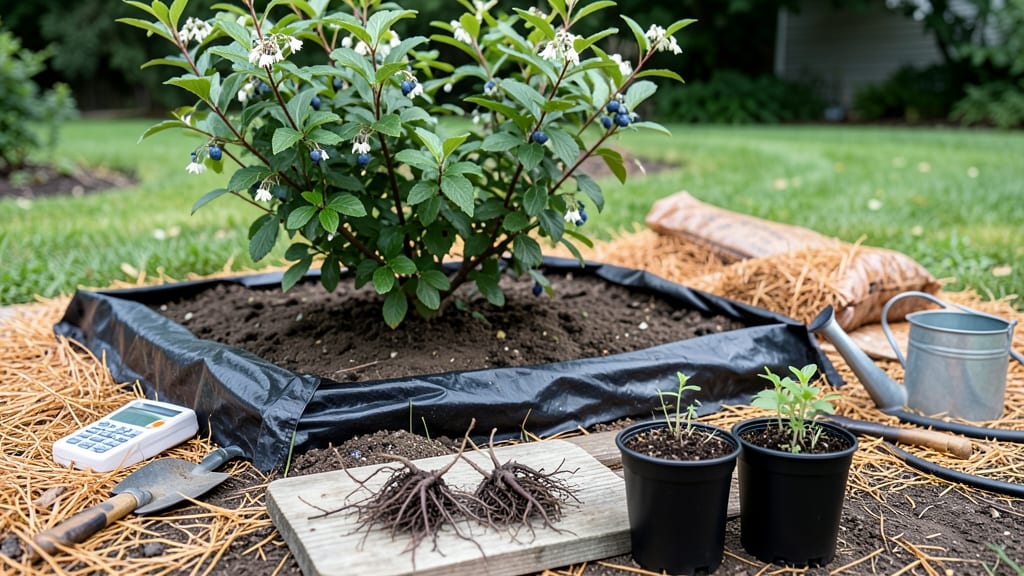
Planting blueberries in Indiana at the wrong time could mean the difference between a bountiful harvest of juicy 🫐 berries and struggling bushes that barely survive. Unlike many plants, blueberries demand precise timing—especially in Zone 5b-6b, where late frosts and soil temperature shifts play a critical role.
Most gardeners assume spring is the only window, but fall planting can also work if you follow the right steps. The key is getting those roots established when soil temps hit 40-50°F, well before last frost around April 15.
I’ll show you exactly when to plant for maximum success, whether you’re in northern or southern Indiana.
You’ll also discover how to prep your soil for these finicky shrubs—Indiana’s native clay often needs adjustments to reach the ideal acidic pH (4.5-5.5). Plus, I’ll reveal which blueberry varieties handle our short growing season best, so you can skip the trial-and-error and plant with confidence.
Ready to turn your backyard into a blueberry powerhouse? Let’s dive into the exact planting schedule, soil tricks, and variety picks that’ll have you harvesting sweet, plump berries by mid-summer.
Best planting months for blueberries in Indiana’s Zone 6 climate
Indiana’s Zone 6 climate creates a narrow window for planting blueberries—too early and frost kills young roots, too late and your bushes won’t establish before winter. The ideal soil temperature for planting is between 40-50°F, which typically aligns with March to early April in most of Indiana.
Northern regions like Gary or Fort Wayne may need to wait until mid-April, while southern areas like Evansville can plant as early as late February.
Spring planting is preferred over fall because Indiana’s first frost often arrives by mid-October, leaving little time for root establishment. If you choose fall, aim for late September—but be prepared for winter protection, especially in colder microclimates.
Bare-root plants should go into the ground before buds swell to avoid stress from early spring warmth.
Here’s the critical timeline for Indiana gardeners: Check your local last frost date (usually around April 15) and plant 4-6 weeks before to give roots time to anchor. For container-grown blueberries, you have slightly more flexibility—plant anytime the ground isn’t frozen, but spring remains best for maximum yield.
🌱
| Planting Window | Soil Temp | Indiana Regions | Key Considerations |
|---|---|---|---|
| Late February - Early March | 40-45°F | Southern IN (Evansville, Bloomington) | Low frost risk; ideal for early varieties |
| Mid-March - Early April | 45-50°F | Central IN (Indianapolis, Lafayette) | Standard window; monitor weather forecasts |
| Mid-April | 40-50°F | Northern IN (Gary, Fort Wayne) | Wait for consistent warmth; protect from late frosts |
| Late September (fall option) | 50-60°F | All regions | Risky; requires winter mulch (6+ inches) |
Avoid planting in May or later—your blueberries will struggle to establish before winter dormancy.
Instead, use this time to prepare planting holes and amend soil with peat moss or sulfur to lower pH. Pro tip: If you miss spring, consider container planting—pots let you control soil conditions and move plants to sheltered spots during Indiana’s unpredictable late spring frosts.
For northern Indiana, where Zone 5b borders Zone 6, extend your planting window by 1-2 weeks and choose earlier-maturing varieties like Duke or Jersey to ensure fruit ripens before first frost.
Southern Indiana’s longer growing season lets you experiment with later varieties like Patriot, which thrives in heat but needs consistent moisture.
🌡️
Use a soil thermometer to confirm readiness—plant only when soil stays above 40°F for 5+ days. In 2023**, Indiana saw unusually late frosts in early May, catching many gardeners off guard.
To hedge your bets, mulch heavily (straw or pine needles) and consider a frost cloth for the first 2 weeks after planting.
Remember: Blueberries are perennials, so getting the timing right now means decades of harvests. Prioritize soil prep and variety selection alongside planting dates—these factors often matter more than the exact calendar month. Next, we’ll dive into Indiana’s soil secrets to ensure your blueberries thrive once planted.
✂️
How to prepare Indiana soil for blueberry planting (pH & drainage secrets)
Indiana’s native clay-heavy soil can be a blueberry grower’s worst enemy—unless you know how to tweak it. Blueberries demand acidic soil (pH 4.5-5.5), but most Indiana gardens hover around pH 6.5-7.5.
Without adjustments, your bushes will suffer from nutrient deficiencies and poor growth. The good news? With the right amendments, you can transform your soil into a blueberry paradise.
Start by testing your soil’s pH level using a home test kit or send a sample to your local Cooperative Extension office. Aim for the 4.5-5.5 range—any higher, and your blueberries won’t absorb essential nutrients like iron and manganese.
If your soil tests too alkaline, sulfur or peat moss are your best friends.
Soil Prep Checklist for Indiana Blueberries
- Test pH 4-6 weeks before planting (aim for 4.5-5.5)
- Amend with 2-3 inches of peat moss or sulfur to lower pH
- Mix in compost for organic matter (avoid fresh manure—it raises pH)
- Ensure well-draining soil by adding sand or perlite if clay is compacted
- Plant in a raised bed if native soil is too alkaline or poorly draining
For drainage issues, avoid planting in low spots where water pools. If your yard has heavy clay, consider a raised bed (12-18 inches deep) filled with a mix of peat moss, compost, and sand.
This mimics the acidic, well-draining conditions blueberries crave in their native bog habitats. Mulch with pine needles or wood chips to maintain acidity and suppress weeds.
One common mistake? Overdoing the lime or wood ash, which can send your soil pH skyrocketing. Stick to acid-loving amendments like cottonseed meal or pine bark fines for fertilization. And remember: patience is key. Soil pH changes gradually—plan to retest 6 months after amending and adjust as needed.
If you’re planting in containers, use a pre-mixed blueberry-specific potting soil (or create your own with 50% peat moss, 30% pine bark, and 20% perlite). Containers dry out faster, so ensure they have drainage holes and water consistently.
With the right soil prep, your Indiana blueberries will thrive even in less-than-ideal native conditions!