
Companion Plants
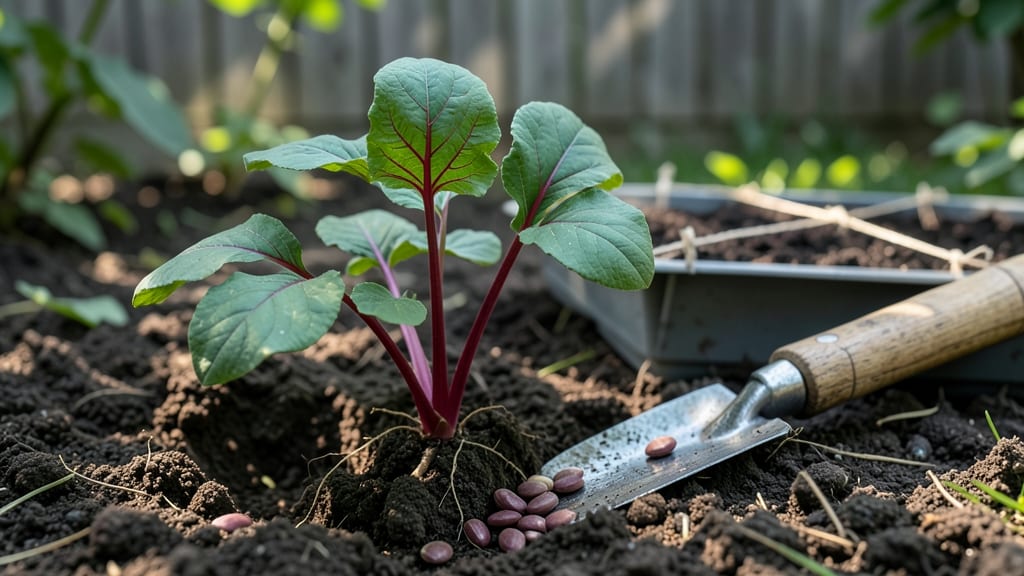
Planting beets in Wisconsin might seem tricky with its unpredictable spring weather, but getting the timing right ensures fast germination and a bountiful harvest.
The key is understanding when your soil warms up enough to support those tiny seeds—too early, and frost will zap them; too late, and summer heat sends them bolting before you can enjoy them.
This 🍠 beet loves Wisconsin’s cool springs and falls, making March through April and August through September your best bets. But don’t just guess—check soil temperatures (aim for 50°F+) and watch for those last frost dates, which can vary wildly from Madison to Green Bay.
I’ll show you exactly how to nail those windows without the trial-and-error.
You’ll also learn how to stretch your harvest with succession planting, a game-changer for Wisconsin gardens where seasons blur together.
Whether you’re a first-time gardener or a veteran green thumb, these tips will help you grow beets that are tender, sweet, and ready to harvest just when you need them.
Let’s dive into the soil secrets that’ll have your beets sprouting in under a week—no more waiting months for results. Ready to turn your Wisconsin garden into a beet-growing powerhouse?
Wisconsin soil temperature guide for beet germination success
Beets thrive when soil temperatures hit the sweet spot of 40°F–85°F—but Wisconsin’s chilly springs and sudden frost can throw off your timing. Unlike heat-loving tomatoes, beets germinate best in cooler conditions, making early spring planting possible if you time it right.
The key? Soil thermometers and knowing your last frost date.
Most Wisconsin gardens see last frost dates between April 1–15, but northern zones like Green Bay may wait until mid-May. For fast germination, aim for soil temps above 40°F—but don’t rush!
Planting too early in 30°F–39°F soil slows sprouting to a crawl (expect 3+ weeks for seeds to emerge).
Here’s the critical rule: Wait until soil temps consistently stay above 40°F for 5+ days before planting. In southern Wisconsin (Madison, Milwaukee), this often lands in mid-March to early April. Northern areas (Eau Claire, Wausau) may need to wait until late April.
Pro tip: Use a soil thermometer (just $10 at garden centers) to check temps at 4-inch depth—that’s where beet seeds will be. Morning readings are most accurate since soil warms up during the day.
If temps dip below 40°F at night, cover seeds with row fabric to protect them.
For fall planting, focus on soil temps below 85°F. Beets bolt (go to seed) when stressed by heat, so late August to early September is ideal for northern Wisconsin. Southern regions can extend planting until mid-September, but monitor forecasts for early frosts.
| Soil Temp Range | Germination Speed | Wisconsin Planting Window | Pro Tip |
|---|---|---|---|
| 30°F–39°F | Very Slow (3+ weeks) | Avoid (unless using cold frames) | Use row fabric for protection |
| 40°F–50°F | Moderate (10–14 days) | Early spring (March–April) | Plant 4–6 weeks before last frost |
| 50°F–65°F | Fast (7–10 days) | Ideal spring window (April–May) | Best for succession planting |
| 65°F–85°F | Fast (5–7 days) | Late summer/fall (August–September) | Avoid planting after Labor Day |
| Above 85°F | Bolting risk (seeds instead of roots) | Not recommended | Use shade cloth if planting late |
Microclimates matter! A south-facing bed warms up 2–3°F faster than a north-facing one. If your garden gets morning sun, plant beets there first—they’ll sprout 3–5 days earlier than shaded areas. For container growers, use black pots to absorb heat and speed up germination.
Test your soil’s readiness with the finger trick: Stick your finger 4 inches deep. If the soil feels like a slightly damp sponge (not muddy or dry), it’s perfect for planting. Add compost if your soil drains too fast—beets hate soggy roots but need steady moisture.
Remember: Consistency is key. Beets germinate best when soil temps stay stable. If you’re planting in March and a cold snap hits, delay until temps rise. Patience now means sweet, tender beets in 60 days—not tough, woody failures.
🌱
Best planting months in Wisconsin: a region-by-region breakdown
Wisconsin’s climate varies dramatically from the southern tip near Illinois to the northern Lake Superior shoreline, so your planting timeline should match your zone.
Most gardeners in USDA zones 4a–5b can plant beets twice yearly—once in early spring and again in late summer—but exact dates depend on your location.
For southern Wisconsin (Milwaukee, Madison), the last frost typically arrives by April 15, giving you a March 15–April 30 window for spring planting. In northern zones (Green Bay, Eau Claire), wait until May 1 to avoid frost damage, as last frosts linger until May 10–20.
Late summer is your second chance: Plant from August 1–September 15 statewide, but northern gardens should start by July 20 to harvest before first frost (mid-October).
| Region | Spring Window | Fall Window | Key Tip |
|---|---|---|---|
| Southern WI (Milwaukee, Madison) | March 15–April 30 | August 1–September 15 | Use row covers for early starts |
| Central WI (Wisconsin Dells) | April 1–May 10 | July 20–September 1 | Succession plant every 2 weeks |
| Northern WI (Green Bay, Eau Claire) | May 1–May 20 | July 10–August 15 | Prioritize cold-hardy varieties |
Extend your harvest with succession planting: Sow new seeds every 2–3 weeks during your region’s window. For example, in Madison, plant on March 15, April 1, April 15, and April 30 to ensure a steady supply. This works for both spring and fall plantings.
For fall harvests, aim to plant 8–10 weeks before first frost. In Milwaukee, that’s September 15 (harvest by October 15), while Green Bay gardeners should finish by September 1 to avoid frost.
Pro tip: Use cold frames or row covers to push your spring window 2–3 weeks earlier in cooler zones. This lets you start sowing as early as March 1 in southern Wisconsin without frost risk.